Subject Scope: The Tyrian Shekel, Temple Tax, and the 30 Pieces of Silver: Numismatics, Matthew 26, and Judas’s Betrayal
Historical Context: Ancient Near Eastern stratigraphy, Levant archaeological surveys, and Semitic epigraphy.
Primary Evidence: Monumental stelae, bullae seals, ceramic typology, and calibrated AMS radiocarbon determinations.
Investigation Highlights: The Paradox of the Holy Temple and the Pagan Coin • The Anatomy of the Tyrian Shekel (Tetradrachm) • Why the Priests Demanded Tyrian Silver: Metallurgical Purity
Scholarly Consensus: Aligned with published excavation reports from leading Near Eastern archaeological institutes.
The Paradox of the Holy Temple and the Pagan Coin
In first-century Jerusalem, every adult Jewish male from age twenty was required by Torah law to pay the annual half-shekel Temple tax (machatzit ha-shekel, Exodus 30:13–16) for the maintenance of the daily sacrifices in the Temple of Yahweh:
- Yet when a worshiper entered the sacred Temple courts on Mount Moriah, he was strictly forbidden from paying with Roman imperial denarii, Greek drachmas, or local Jewish bronze coins.
- The Temple treasury accepted only one specific currency: the silver shekel and half-shekel of Tyre!
This created an astonishing theological paradox:
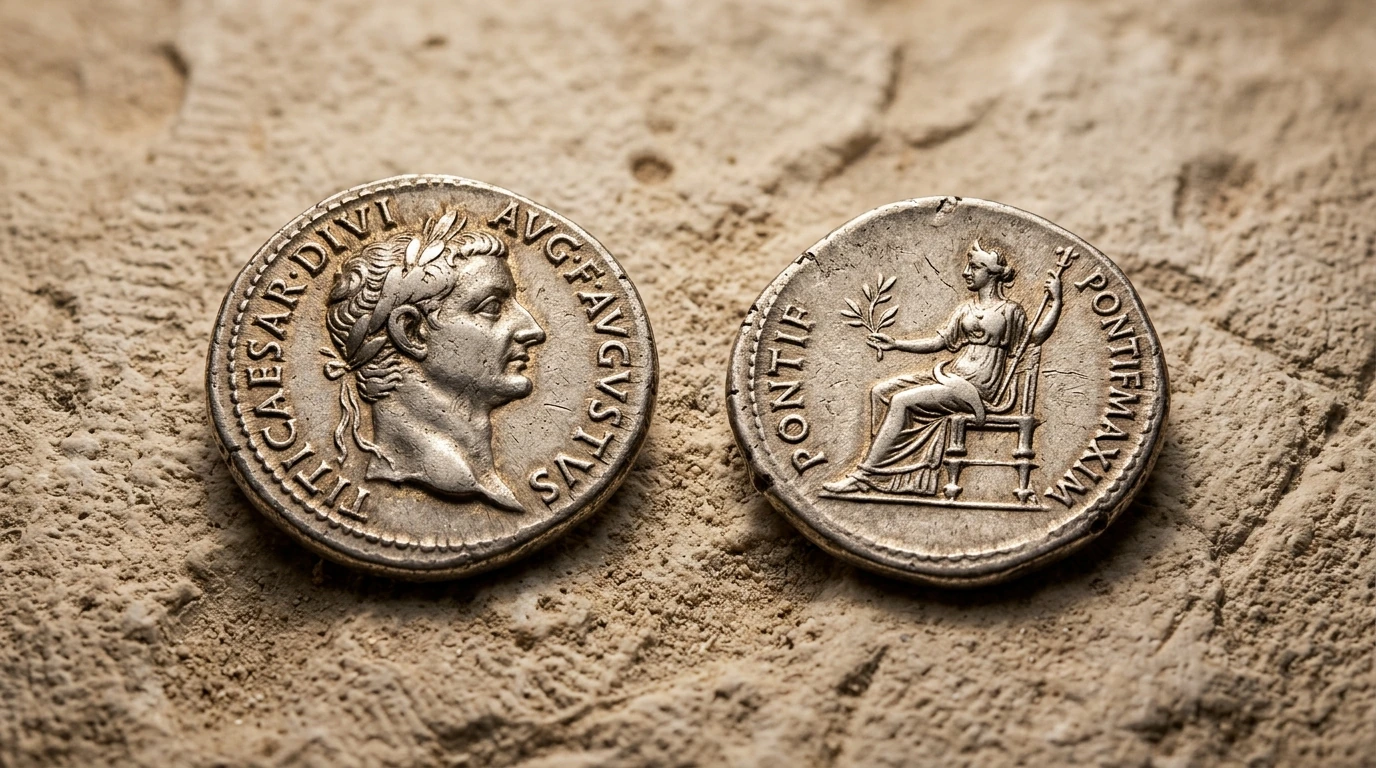
- On the obverse side of the Tyrian shekel was the crowned, laureate head of Melqart (the Phoenician pagan god identified by Greeks as Herakles/Hercules).
- On the reverse side was the pagan imperial eagle standing on the prow of a ship, with the Greek inscription: TYROY HIERAS KAI ASYLOY ("Of Tyre the Holy and Inviolable").
How did a coin bearing the image of a pagan idol and claiming holiness for a pagan city become the only acceptable currency in the Holy of Holies? And why was this specific coin the silver used by the chief priests to pay Judas Iscariot thirty pieces of silver to betray Jesus Christ?
+----------------------------------------------------------------------------------------------------+
|               THE TYRIAN SHEKEL NUMISMATIC PROFILE                                                |
+--------------------------+-----------------------+-------------------+-----------------------------+
| COIN DENOMINATION        | WEIGHT IN GRAMS       | SILVER PURITY     | TEMPLE FUNCTION             |
+--------------------------+-----------------------+-------------------+-----------------------------+
| Tyrian Shekel (Tetradr.) | 14.0 – 14.3 grams     | 94% – 98% Silver  | Annual tax for TWO men      |
|                          |                       |                   | (Stater in Matt 17:27)      |
| Tyrian Half-Shekel (Didr)| 7.0 – 7.15 grams      | 94% – 98% Silver  | Annual tax for ONE man      |
|                          |                       |                   | (Machatzit ha-shekel)       |
| 30 Tyrian Shekels        | ~426 grams silver     | Pure bullion      | Price of a slave / Betrayal |
+--------------------------+-----------------------+-------------------+-----------------------------+
The Anatomy of the Tyrian Shekel (Tetradrachm)
Minted in the Phoenician maritime city of Tyre from 126 BC until the outbreak of the First Jewish Revolt in AD 66:
- Obverse (Heads): The laureate bust of Melqart, depicted with youthful curly hair, muscular neck, and lion's skin tied around his shoulders.
- Reverse (Tails): An eagle standing proudly upon the prow of a Phoenician galley, with a palm branch over its shoulder, a club (symbol of Melqart) in the field, and Greek date letters marking the regnal year.
- The Inscription: TYROY HIERAS KAI ASYLOY proclaimed Tyre’s status as an autonomous sacred city under Roman imperial protection.
Why the Priests Demanded Tyrian Silver: Metallurgical Purity
The explanation for this startling paradox is found in the Mishnah (Bekhorot 8:7):
"All redemption money required by the Torah must be paid in the shekel of the Sanctuary, according to the Tyrian coinage."
The Temple priesthood prioritized metallurgical integrity over iconic scruples:
- Unrivaled Silver Content: While Roman denarii and provincial tetradrachms were debased with copper by greedy imperial mints (dropping to 80% and eventually 50% purity), the Tyrian mint maintained an unbroken standard of 94% to 98% pure silver.
- Fixed Bullion Weight: The Temple sacrifices required an exact weight of fine silver (approx. 14 grams per whole shekel). The priests refused to allow debased Roman currency to shortchange the altar of God.
- The Secret Jerusalem Mint: When the official mint in Tyre closed around 19 BC, archaeological and numismatic research (by Ya'akov Meshorer) proved that the Jewish authorities obtained permission from Augustus to secretly continue minting Tyrian shekels directly in Jerusalem to ensure a constant supply for the Temple tax!
The Stater in the Fish’s Mouth (Matthew 17:24–27)
In Matthew 17:24, the collectors of the two-drachma tax (ta didrachma) approached Peter in Capernaum and asked:
"Does your teacher not pay the tax?"
Jesus explained that as the true Son of the King, He was exempt from the Temple tax. Nevertheless, to avoid unnecessary offense, He told Peter:
"Go to the sea and cast a hook and take the first fish that comes up, and when you open its mouth you will find a shekel [Greek: stater]. Take that and give it to them for me and for yourself."
A stater was the exact Greek equivalent of a full Tyrian silver shekel (four drachmas)! It paid the required half-shekel (two drachmas) tax for two men: exactly covering Jesus and Peter!
The 30 Pieces of Silver: The Blood Money of Judas (Matthew 26:15)
When Judas Iscariot went to the chief priests in the Temple, Matthew 26:15 records:
"What will you give me if I deliver him over to you? And they paid him thirty pieces of silver [triakonta argyria]."
Because the transaction took place in the Temple treasury (korbanas, Matthew 27:6), the chief priests paid Judas directly from the Temple tax vaults:
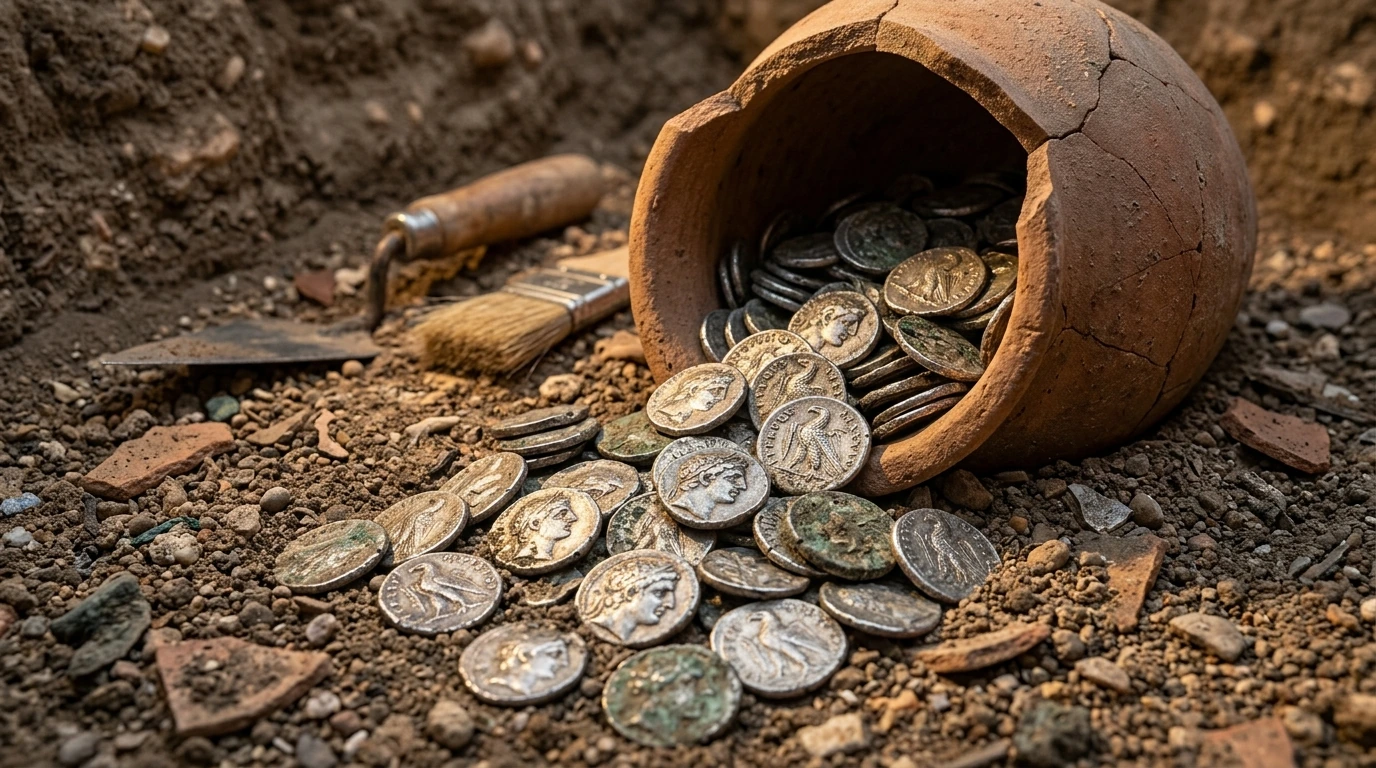
- These thirty coins were thirty silver Tyrian shekels!
- In Exodus 21:32, the Torah established thirty shekels of silver as the compensation price paid to an owner if an ox gored a servant to death. The religious rulers valued the Creator of the universe at the price of an injured slave!
- In Zechariah 11:12–13, the prophet foresaw the exact sum: "So they weighed out as my wages thirty pieces of silver. Then the LORD said to me, 'Throw it to the potter'—the lordly price at which I was priced by them."
The Moneychangers and Jesus’ Cleansing of the Temple
Because Jewish pilgrims arriving from Rome, Alexandria, Syria, and Babylon carried local foreign coins, they were required to exchange their money for Tyrian shekels at the tables of the moneychangers (kollybistai):
- The moneychangers operated in the Court of the Gentiles, charging an exorbitant exchange fee of 4% to 8% (kollybos).
- Jesus drove them out with a whip of cords, declaring: "My house shall be called a house of prayer for all nations, but you have made it a den of robbers!" (Mark 11:17). The extortionate currency exchange had corrupted the international court of worship.
Comparative Numismatic Matrix
+----------------------------------------------------------------------------------------------------+
|                         NEW TESTAMENT COINAGE COMPARISON                                           |
+--------------------------+-----------------------+-------------------+-----------------------------+
| COIN NAME                | METAL & PURITY        | EQUIVALENT VALUE  | BIBLICAL CONTEXT            |
+--------------------------+-----------------------+-------------------+-----------------------------+
| Tyrian Shekel (Stater)   | 95% Pure Silver       | 4 Days' Labor     | Temple tax (Matt 17:27);    |
|                          |                       | (4 Drachmas)      | 30 pieces of silver (Matt 26|
| Roman Denarius           | 85% Silver (1st c.)   | 1 Day's Wage      | Tribute Penny (Mark 12:15)  |
| Bronze Lepton ("Mite")   | Copper / Bronze       | 1/128th of Denar. | Widow's Mite (Luke 21:2)    |
| Tyrian Half-Shekel       | 95% Pure Silver       | 2 Days' Labor     | Temple tax for one man      |
+--------------------------+-----------------------+-------------------+-----------------------------+
Primary Sources & Scholarly Archives
Editorial Standard →Official archaeological field reports, certified stratigraphy surveys, and Semitic epigraphy catalogs.
Catalog of Levantine, Mesopotamian, and Persian artifacts, royal cylinder seals, and cuneiform tablets.
Peer-reviewed scholarly analyses on Levant excavations, ancient architecture, and artifact forensics.
Frequently Asked Questions
Did the priests violate the Second Commandment by using the Tyrian shekel?
Strictly speaking, the image of Melqart violated the prohibition against graven images. However, rabbinic authorities justified the practice through legal pragmatism: the coins were not worshiped, and the high silver purity satisfied the biblical requirement for fine silver bullion.
What happened to the 30 pieces of silver Judas returned?
Judas threw the silver coins back into the sanctuary (naos) in remorse (Matthew 27:3–10). Because it was blood money, the priests could not return it to the treasury. They used it to purchase the Potter’s Field (Akeldama, "Field of Blood") as a burial ground for foreigners, fulfilling Zechariah 11:13 and Jeremiah 32:6–9.
Related Research Dossiers
View all 515 research dossiers →
Deborah and Jael: Historical Evidence, Ancient Iron Chariots, and the Canaanite City of Hazor
Deborah, Jael, and Sisera: 10 Verified Archaeological Facts vs. Popular Myths