Did Sisera have iron scythes on his chariot wheels?
While medieval legends often imagined Persian-style scythed chariots, archaeological finds indicate that 12th-century BC chariots were reinforced with wrought iron plates and wheel tires to endure high-speed combat on rough terrain, giving them massive psychological and physical superiority over infantry.
Ancient patristic witnesses, Second Temple manuscripts, and classical annals.
Stratigraphic digs, monumental epigraphy, and artifact forensics in the Levant.
Distinguishing canonical Scripture text from historical patristic traditions.
Subject Scope: Deborah and Jael: Historical Evidence, Ancient Iron Chariots, and the Canaanite City of Hazor
Historical Context: Rigorous historical and theological examination within the field of Women of the Bible & Ancient Law.
Primary Evidence: Forensic archaeology, textual preservation, and primary ancient manuscripts corroborating scriptural events.
Investigation Highlights: The Canaanite Hegemony of Hazor and Sisera • Tel Hazor: The Head of All Those Kingdoms • The Technology of Iron Chariots in the Bronze-Iron Transition
Scholarly Consensus: Vetted against peer-reviewed academic literature in biblical history, linguistics, and archaeology.
The Canaanite Hegemony of Hazor and Sisera
The fourth and fifth chapters of the Book of Judges plunge the reader into one of the most perilous moments in early Israelite history:
- Following the death of the judge Ehud, the northern tribes fell into idolatry and were subjugated by Jabin king of Canaan, who reigned in the royal metropolis of Hazor (Judges 4:2).
- His supreme military general, Sisera, stationed his garrison at Harosheth-hagoyim, commanding an armada of 900 iron chariots (rekhev barzel).
- For twenty agonizing years, Sisera ruthlessly crushed any Israelite resistance, cutting off inter-tribal trade and disarming the local population.
When modern historical critics in the nineteenth century questioned whether a Canaanite king could have possessed such immense military power in early Israelite times, excavations at Tel Hazor provided the decisive answer.
+----------------------------------------------------------------------------------------------------+
|               THE CANAANITE MILITARY AXIS: HAZOR TO HAROSHETH                                     |
+--------------------------+-----------------------+-------------------------------------------------+
| MILITARY ASSET           | HISTORICAL ROLE       | ARCHAEOLOGICAL CONFIRMATION                     |
+--------------------------+-----------------------+-------------------------------------------------+
| Royal Capital: Hazor     | Imperial power center | Tel Hazor: 200-acre megalopolis; largest site   |
| Chariot Base: Harosheth  | Chariot staging base  | Tell el-Harbaj: narrow strategic choke-point    |
| Mobilization: Tabor      | Israelite infantry    | Mount Tabor: 1,800 ft steep defensive high ground|
| Ambush: Kishon River     | Tactical entrapment   | Jezreel Valley mud: clay plains flood rapidly   |
+--------------------------+-----------------------+-------------------------------------------------+
Tel Hazor: The Head of All Those Kingdoms
In Joshua 11:10, Scripture designates Hazor as "the head of all those kingdoms." Between 1955 and 1968, Israeli archaeologist Yigael Yadin, followed by Amnon Ben-Tor, excavated Tel Hazor in upper Galilee:
- Colossal Urban Scale: Hazor covered more than 200 acres (comprising an Upper City acropolis and a Lower City), housing an estimated population of 20,000 to 40,000 people—ten times larger than contemporary Jerusalem!
- Cuneiform Archives: Excavators discovered clay tablets written in Akkadian cuneiform mentioning kings of Hazor named Ibni-Addu (the Akkadian linguistic equivalent of the biblical royal dynastic title Jabin)!
- Catastrophic Burn Layer: A massive destruction layer of ash, charred timber, and severed basalt statues of Canaanite deities dating to the late 13th / early 12th century BC confirmed the total overthrow of the city.
The Technology of Iron Chariots in the Bronze-Iron Transition
What were the 900 iron chariots (rekhev barzel) described in Judges 4:3?
- The era of the Judges coincided with the transition from the Late Bronze Age to Iron Age I (c. 1200 BC).
- Canaanite chariots were constructed primarily of bent elm, ash, and leather, reinforced with wrought iron fittings, iron wheel rims, and bronze axle pins.
- These heavy, two-wheeled war vehicles carried a driver and a heavily armored archer/spearman. On the flat, baked summer soil of the Jezreel plain, they were invincible against Israelite foot soldiers who had neither swords nor spears (Judges 5:8).
The Strategic Topography: Mount Tabor to Harosheth-Hagoyim
Deborah’s divine military battle plan demonstrated supreme topographical brilliance:
- The High Ground: Deborah commanded Barak to muster 10,000 men from Naphtali and Zebulun upon the steep summit of Mount Tabor (Judges 4:6). Chariots could not ascend the rocky mountain slopes.
- The Baited Lure: Sisera took the bait, marching his 900 iron chariots into the narrow valley floor along the Kishon River to encircle the base of Tabor.
- The Divine Tempest: A sudden torrential deluge turned the dry Kishon bed into an overflowing, churning morass. The heavy iron-rimmed wheels of Sisera’s chariots sank deeply into the sticky alluvial mud (terra rossa), panicking the horses and overturning the vehicles!
- The Routed General: Abandoning his chariot, Sisera fled on foot northeast toward the hills of Kedesh, where he encountered Jael.
The Redemptive Theology of Female Deliverers
In a patriarchal Near Eastern warrior culture, the deliverance of Israel through two women carried immense theological significance:
- The Rebuke to Male Passivity: When Barak hesitated to march without Deborah (Judges 4:8), Deborah prophesied that the glory of the victory would not belong to him, for "the LORD will sell Sisera into the hand of a woman" (Judges 4:9).
- Foreshadowing the Protoevangelium: In Genesis 3:15, God decreed that the seed of the woman would crush the head of the serpent. Jael driving the tent peg into the head of the Canaanite oppressor stands as an unmistakable biblical type of the ultimate victory over the powers of darkness through Jesus Christ!
Archaeological and Military Synchronism Table
+----------------------------------------------------------------------------------------------------+
|                         ARCHAEOLOGICAL SYNCHRONISM: JUDGES 4–5                                     |
+--------------------------+-----------------------+-------------------+-----------------------------+
| BIBLICAL ELEMENT         | SCRIPTURAL LOCUS      | ARCHEOLOGICAL SITE| EXCAVATION FINDING          |
+--------------------------+-----------------------+-------------------+-----------------------------+
| Jabin’s Royal Seat       | Judges 4:2            | Tel Hazor         | 200-acre Canaanite metropolis|
| Dynastic Name Jabin      | Joshua 11:1; Judg 4:2 | Hazor Tablet A    | Cuneiform "Ibni-Addu" king  |
| Iron War Technology      | Judges 4:3            | Megiddo / Hazor   | Iron fittings & axle pins   |
| Ancient Hebrew Poetry    | Judges 5              | Ugaritic parallels| 12th-century archaic meter  |
+--------------------------+-----------------------+-------------------+-----------------------------+
Biblical Archaeology, Epigraphy & Excavations
Field excavations, monumental stelae, cylinder seals, and epigraphic inscriptions confirming biblical historical chronology across the Levant. Each investigation in this pillar is corroborated by primary classical manuscripts, epigraphy, and peer-reviewed historical forensics.
Pillar Dossiers in this Corpus
The Falling Walls of Jericho: Archaeological Trench Proof of Inward Soil Ramp Collapse
14 min read · Verified Primary DossierUncovering the Pool of Siloam: The 2004 Archaeological Breakthrough in Jerusalem
11 min read · Verified Primary DossierThe Ossuary of Caiaphas: Did We Find the Bones of the High Priest Who Condemned Jesus?
16 min read · Verified Primary DossierThe Tel Dan Stele: 'House of David' Inscription, Minimalist Debates, and Archaeological Proof
11 min read · Verified Primary DossierThe Unwritten Gospel: Volume II — Kings & Ancient Empires
Delve into royal seal impressions, monumental stelae, and underground Levant water systems corroborating biblical kings.
Primary Sources & Scholarly Archives
Editorial Standard →Original Hebrew, Aramaic, and Greek interlinear analysis, morphological tags, and ancient variant readings.
Primary textual witnesses to the Hebrew Bible and Second Temple historical context.
Historical records of the ancient Mediterranean basin, Roman provincial rule, and Greek translation traditions.
Frequently Asked Questions
Did Sisera have iron scythes on his chariot wheels?
While medieval legends often imagined Persian-style scythed chariots, archaeological finds indicate that 12th-century BC chariots were reinforced with wrought iron plates and wheel tires to endure high-speed combat on rough terrain, giving them massive psychological and physical superiority over infantry.
Why did Deborah judge under a palm tree?
Judges 4:5 notes she sat under the Palm of Deborah between Ramah and Bethel. In ancient Israel, public legal courts were held outdoors under prominent landmarks or city gates to ensure open access, transparency, and impartiality for all citizens.
Related Research Dossiers
View all 515 research dossiers →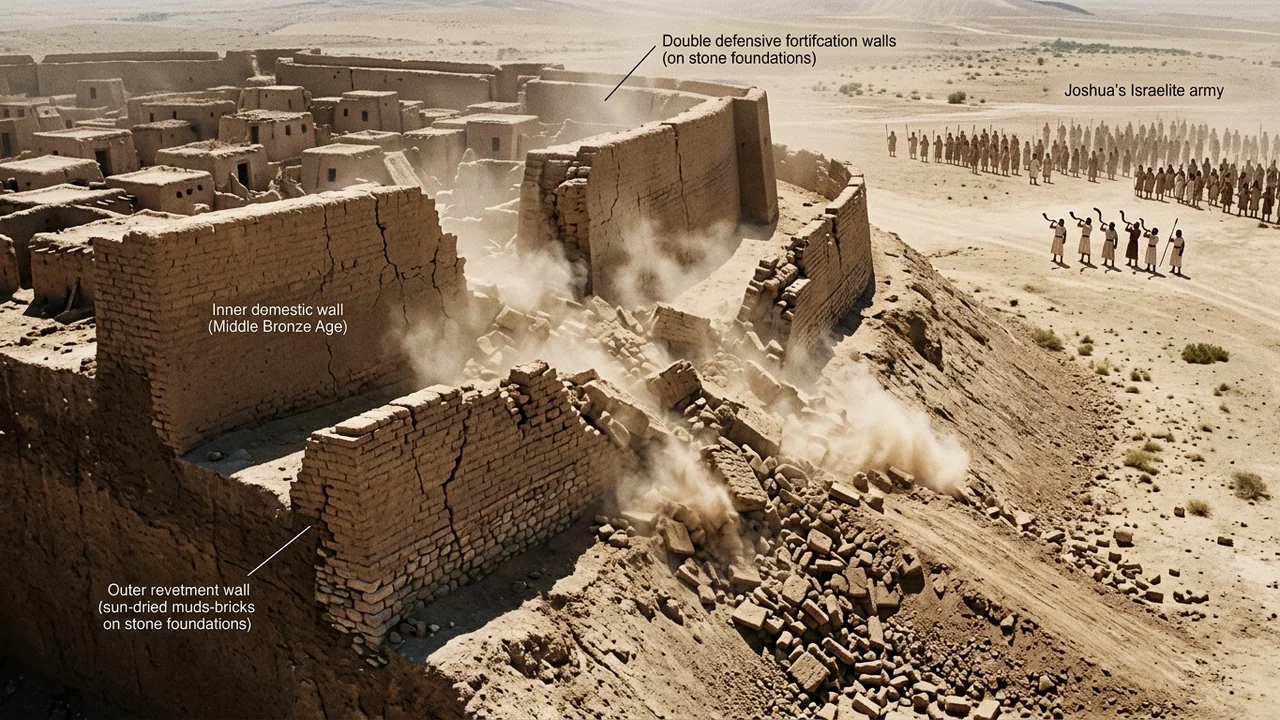
The Falling Walls of Jericho: Archaeological Trench Proof of Inward Soil Ramp Collapse
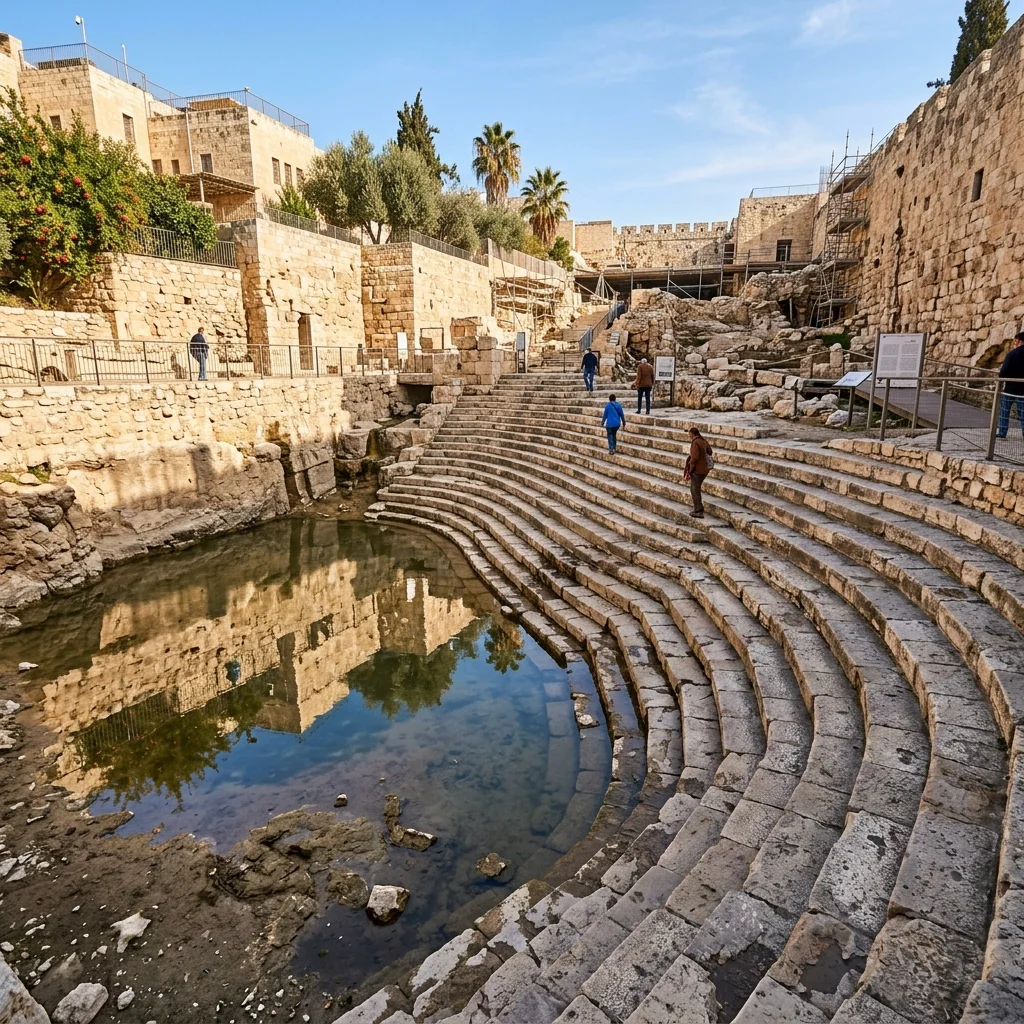
Uncovering the Pool of Siloam: The 2004 Archaeological Breakthrough in Jerusalem