
Subject Scope: The Tyrian Shekel, Temple Tax, and Judas’s Silver: 10 Verified Biblical Facts vs. Common Myths
Historical Context: Ancient Near Eastern stratigraphy, Levant archaeological surveys, and Semitic epigraphy.
Primary Evidence: Monumental stelae, bullae seals, ceramic typology, and calibrated AMS radiocarbon determinations.
Investigation Highlights: Myth 1: Judas Was Paid in Roman Denarii with Caesar’s Face • Myth 2: Thirty Pieces of Silver Was a King’s Ransom • Myth 3: Tyrian Shekels Were Exclusively Minted in Tyre
Scholarly Consensus: Aligned with published excavation reports from leading Near Eastern archaeological institutes.
Myth 1: Judas Was Paid in Roman Denarii with Caesar’s Face
- The Popular Myth: In popular films and renaissance paintings, Judas Iscariot is frequently depicted clutching a leather purse filled with shiny Roman coins stamped with the face of Emperor Tiberius Caesar.
- The Verified Historical Fact: Roman denarii were strictly prohibited from the treasury of the Second Temple. Under Jewish halakhic law (Mishnah Shekalim 1:3), all payments made from or into the sacred treasury had to be in Tyrian silver shekels. When the chief priests weighed out thirty pieces of silver (triakonta argyria, Matthew 26:15), they handed Judas thirty heavy silver Tyrian shekels, stamped with the pagan Phoenician god Melqart, not Roman imperial denarii.
+----------------------------------------------------------------------------------------------------+
|               CURRENCY COMPARISON: TYRIAN SHEKEL VS. ROMAN DENARIUS                                |
+--------------------------+-----------------------+-------------------+-----------------------------+
| FEATURE                  | TYRIAN SILVER SHEKEL  | ROMAN DENARIUS    | SIGNIFICANCE IN GOSPELS     |
+--------------------------+-----------------------+-------------------+-----------------------------+
| 1. Weight                | 14.0–14.2 Grams       | 3.8–3.9 Grams     | 1 Shekel = 4 Denarii        |
| 2. Silver Content        | 94%–98% Fine Silver   | 70%–80% Silver    | High silver purity mandate  |
| 3. Portrait              | Melqart / Hercules    | Tiberius Caesar   | Temple money vs. Caesar tax |
| 4. Primary Use           | Temple Tax & Treasury | Roman Imperial Tax| Cleansing of the Temple     |
+--------------------------+-----------------------+-------------------+-----------------------------+
Myth 2: Thirty Pieces of Silver Was a King’s Ransom
- The Popular Myth: Many assume that Judas betrayed Jesus for an astronomical fortune that would make him wealthy for the rest of his life.
- The Verified Historical Fact: In the 1st century AD, thirty Tyrian shekels equaled 120 Roman denarii. Because a standard day’s wage for an agricultural laborer was one denarius (Matthew 20:2), thirty shekels represented approximately four months of manual labor—a modest sum, roughly equivalent to several thousand dollars in modern purchasing power.
- The Real Meaning: This was precisely the legal compensation price established in Exodus 21:32 for an injured slave gored by an ox. The chief priests paid Judas the minimal legal price for an expendable servant, fulfilling Zechariah 11:13: "the handsome price at which they valued me!"
Myth 3: Tyrian Shekels Were Exclusively Minted in Tyre
- The Popular Myth: All Tyrian shekels used in the Temple were manufactured by Phoenician pagans in the coastal city of Tyre and shipped to Jerusalem.
- The Verified Historical Fact: Groundbreaking numismatic research directed by legendary Israeli numismatist Ya'akov Meshorer demonstrated that the civic mint in Tyre completely ceased striking silver shekels around 19 BC.
- The Jerusalem Secret Mint: To prevent an existential economic crisis for the Temple, King Herod the Great and the Jerusalem high priests secured permission from Augustus Caesar to secretly operate their own mint in Jerusalem. From 18 BC to AD 65, all "Tyrian" shekels were actually struck in Jerusalem, identifiable by the distinctive monogram letters KP or KAP (Kratous Romaion or Koinon Phoinikes). The Temple authorities maintained the Phoenician design to preserve the established religious currency!
+----------------------------------------------------------------------------------------------------+
|               THE TWO PHASES OF TYRIAN SHEKEL PRODUCTION                                           |
+--------------------------+-----------------------+-------------------+-----------------------------+
| PRODUCTION PHASE         | MINT LOCATION         | CHRONOLOGY        | NUMISMATIC MARKERS          |
+--------------------------+-----------------------+-------------------+-----------------------------+
| Phase 1: Phoenician Mint | Tyre (Maritime City)  | 126 BC – 19 BC    | High artistic Greek relief  |
| Phase 2: Jerusalem Mint  | Jerusalem Temple Hill | 18 BC – AD 65     | Coarser style, KP monogram  |
+--------------------------+-----------------------+-------------------+-----------------------------+
Myth 4: The Moneychangers Were Friendly Currency Bankers
- The Popular Myth: The moneychangers in the Temple were public servants offering a convenient civic banking exchange for foreign tourists.
- The Verified Historical Fact: The moneychangers (kollybistai) operated an extortionate, state-sanctioned monopoly controlled by the wealthy aristocratic clan of Annas and Caiaphas.
- The Mandatory Surcharge (Kollybos): Pilgrims had no choice; they were legally forbidden from paying the Temple tax in any currency other than Tyrian half-shekels. The moneychangers charged an exchange fee of up to 8%, plus additional fees for giving change. Millions of bronze and silver coins flowed into the high-priestly coffers annually, turning the Court of the Gentiles into a noisy, smelly, commercial bazaar (Matthew 21:13, "a den of robbers").
Myth 5: The Temple Tax Was Optional Voluntary Charity
- The Popular Myth: Paying the half-shekel was an informal, voluntary free-will donation dropped in a church collection plate.
- The Verified Historical Fact: The half-shekel (machatzit ha-shekel) was a strictly enforced, mandatory civic-religious tax.
- The Annual Legal Calendar (Mishnah Shekalim 1:1–3):
- 1st of Adar: Public proclamations were sounded throughout all towns of Judea announcing that the tax was due.
- 15th of Adar: Moneychangers set up collection tables in all provincial towns across Galilee and Judea.
- 25th of Adar: Collection tables moved directly into the Court of the Gentiles on the Temple Mount.
- Pledges Seized: If an adult Jewish male failed to pay, the Temple bailiffs were legally empowered under rabbinic law to seize his personal property (such as his coat or domestic tools) as collateral!
The Archaeology of the Isfiya and Temple Mount Hoards
The physical reality of the Tyrian shekel is verified through sensational archaeological discoveries:
- The Isfiya Hoard (1960): Unearthed on Mount Carmel, this massive hoard contained 4,561 silver coins (3,400 Tyrian shekels, nearly 1,000 half-shekels, and 160 Roman denarii) concealed inside two clay cooking pots. Numismatists confirmed this was a regional Temple tax collection being transported from Phoenicia and Galilee to Jerusalem, buried in panic during the outbreak of the First Jewish-Roman War.
- The Temple Mount Sifting Project: Thousands of tons of soil illegally bulldozed from the southeastern corner of the Temple Mount (Solomon’s Stables) have yielded dozens of authentic 1st-century Tyrian shekels and half-shekels, confirming their direct presence within the Temple courts.
+----------------------------------------------------------------------------------------------------+
|               CORRELATION MATRIX: ARCHAEOLOGICAL FINDS OF TYRIAN SHEKELS                           |
+--------------------------+-----------------------+-------------------+-----------------------------+
| DISCOVERY / HOARD        | LOCATION              | COIN QUANTITY     | PROVENANCE SIGNIFICANCE     |
+--------------------------+-----------------------+-------------------+-----------------------------+
| 1. Isfiya Hoard (1960)   | Mount Carmel          | 4,561 Silver Coins| Communal Galilee tax fund   |
| 2. Ophel Excavations     | South of Temple Mount | Multiple Shekels  | Direct pilgrim loss at gates|
| 3. Masada Hoards         | Judean Fortress       | Shekels & Selas   | Zealots' captured treasury  |
+--------------------------+-----------------------+-------------------+-----------------------------+
Primary Sources & Scholarly Archives
Editorial Standard →Official archaeological field reports, certified stratigraphy surveys, and Semitic epigraphy catalogs.
Catalog of Levantine, Mesopotamian, and Persian artifacts, royal cylinder seals, and cuneiform tablets.
Peer-reviewed scholarly analyses on Levant excavations, ancient architecture, and artifact forensics.
Frequently Asked Questions
Why did Rome permit Jews to strike Tyrian coins in Jerusalem?
Augustus granted religious dispensations to preserve provincial stability, recognizing that the Temple required high-purity silver for its sacred ritual functions.
What is the difference between a didrachm, tetradrachm, and stater?
A didrachm is a half-shekel (tax for 1 male); a tetradrachm or stater is a full shekel (tax for 2 males), matching the coin found in Matthew 17:27.
Did Jewish rebels strike their own silver coins during the Jewish War?
Yes. In AD 66, rebels banned pagan Tyrian coins and struck pure silver Jewish Shekels depicting a temple chalice with the legend "Jerusalem the Holy".
Can authentic Tyrian shekels be seen in museums today?
Yes. They are prominent in the Israel Museum, British Museum, and major numismatic collections worldwide, dating directly to the time of Christ.
Related Research Dossiers
View all 515 research dossiers →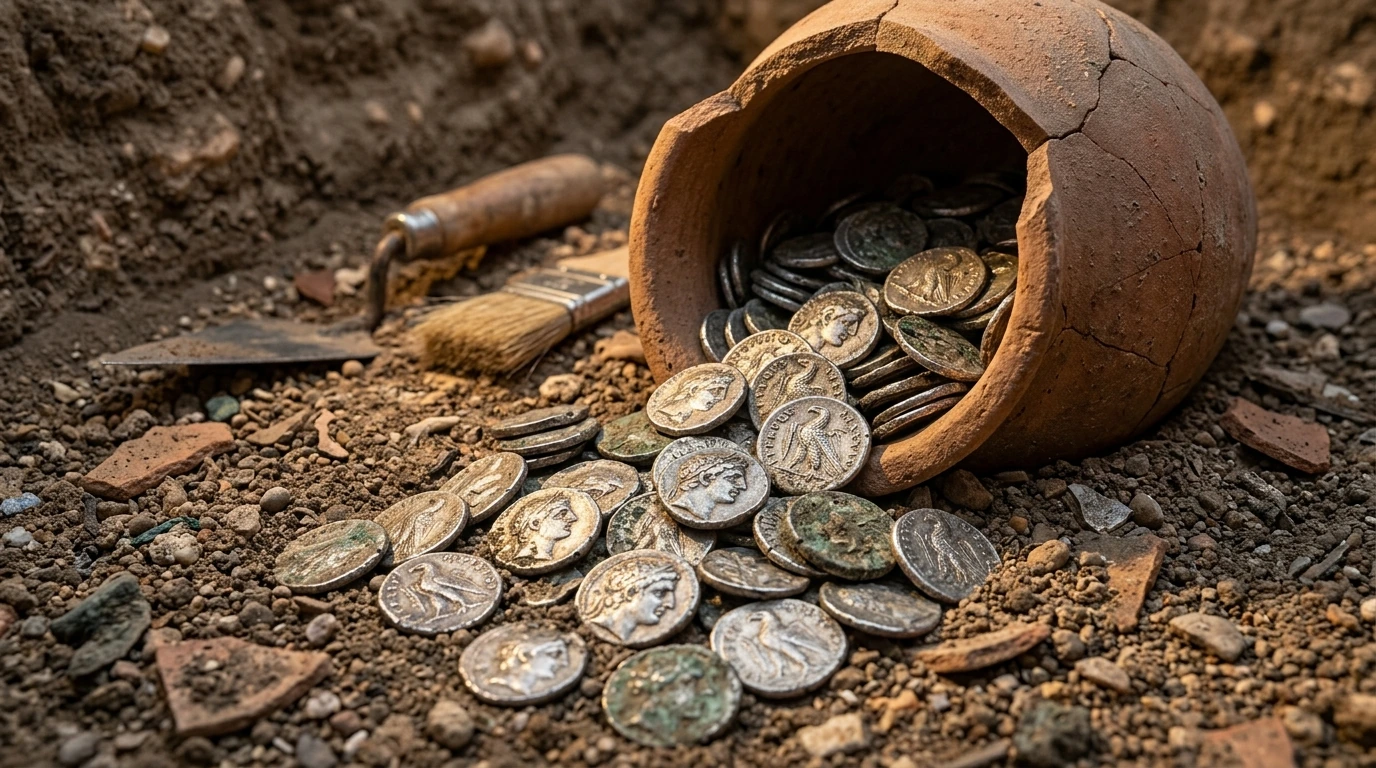
The Tyrian Shekel, Temple Tax, and the 30 Pieces of Silver: Numismatics, Matthew 26, and Judas’s Betrayal
Render to Caesar: The Tribute Penny, Tiberius Denarius, and Mark 12 in Primary Roman Numismatic Sources
