Subject Scope: The Tribute Penny: Historical Evidence, Roman Taxation, and Jewish Resistance in First-Century Judea
Historical Context: Ancient Near Eastern stratigraphy, Levant archaeological surveys, and Semitic epigraphy.
Primary Evidence: Monumental stelae, bullae seals, ceramic typology, and calibrated AMS radiocarbon determinations.
Investigation Highlights: The Economic Chains of the Roman Empire • The Three Roman Taxes in Judea • The Social Outcasts: Tax Collectors (Mokhes / Publicani)
Scholarly Consensus: Aligned with published excavation reports from leading Near Eastern archaeological institutes.
The Economic Chains of the Roman Empire
In first-century Roman Judea, taxation was not merely an economic burden; it was an explosive religious and political flashpoint:
- Following the banishment of Herod’s incompetent son Archelaus in AD 6, Rome demoted Judea from a client kingdom to a directly administered imperial province governed by Roman prefects (including Pontius Pilate).
- Every single coin handed over to Roman tax collectors was viewed by Jewish patriots as a painful admission that the Promised Land had been stolen by pagan conquerors.
When religious leaders confronted Jesus with the question of the tribute to Caesar (kenson dounai Kaisari, Mark 12:14), they were tapping into decades of simmering armed insurrection.
+----------------------------------------------------------------------------------------------------+
|               ROMAN TAX STRUCTURE IN FIRST-CENTURY JUDEA                                          |
+--------------------------+-----------------------+-------------------+-----------------------------+
| TAX TYPE                 | LATIN DESIGNATION     | LEVIED UPON       | PAYMENT FORM / REVENUE      |
+--------------------------+-----------------------+-------------------+-----------------------------+
| Land Tax                 | Tributum Soli         | 10–20% of grain;  | Agricultural produce or     |
|                          |                       | 20% of wine & oil | bullion value               |
| Poll / Head Tax          | Tributum Capitis      | Direct head tax   | Paid exclusively in silver  |
|                          |                       | on every adult    | Roman denarii               |
| Customs & Tolls          | Portoria / Vectigalia | Trade caravans,   | Collected at tollbooths     |
|                          |                       | bridges, harbors  | by local Jewish tax farmers |
+--------------------------+-----------------------+-------------------+-----------------------------+
The Three Roman Taxes in Judea
Provincial Judeans were subjected to a crushing three-tiered tax apparatus:
- Tributum Soli (Ground Tax): A direct tax on agricultural harvests, forcing Jewish tenant farmers to surrender up to a fifth of their wheat, barley, olive oil, and wine directly to imperial storehouses.
- Tributum Capitis (The Head Tax): The exact tax referenced in Mark 12:14. Every adult male aged fourteen to sixty-five and every female aged twelve to sixty-five had to pay one denarius per year simply for the privilege of living under Caesar's rule.
- Portoria (Customs Duties): Tolls collected at city gates, crossroads, and ports on all transport of commercial goods, fish, and livestock.
The Social Outcasts: Tax Collectors (Mokhes / Publicani)
The Roman imperial treasury auctioned off tax-collection franchises to wealthy syndicates, who hired local provincial agents:
- The Chief Tax Collector (architelones): Men like Zacchaeus in Jericho (Luke 19:2) who supervised regional tax districts.
- The Local Collector (telones / mokhes): Men like Matthew (Levi) sitting at his customs booth in Capernaum (Mark 2:14) taxing fish and trade goods traveling along the Via Maris.
- Social Pariahs: Tax collectors were classified in Jewish rabbinic law alongside thieves, gamblers, and prostitutes. Their testimony was disqualified in court, and their money was considered ritual defilement.
- Jesus caused public outrage by choosing Matthew as one of His twelve apostles and dining with tax collectors, declaring: "Those who are well have no need of a physician, but those who are sick. I came not to call the righteous, but sinners" (Mark 2:17).
The Archaeological Evidence of the Tiberius Denarius
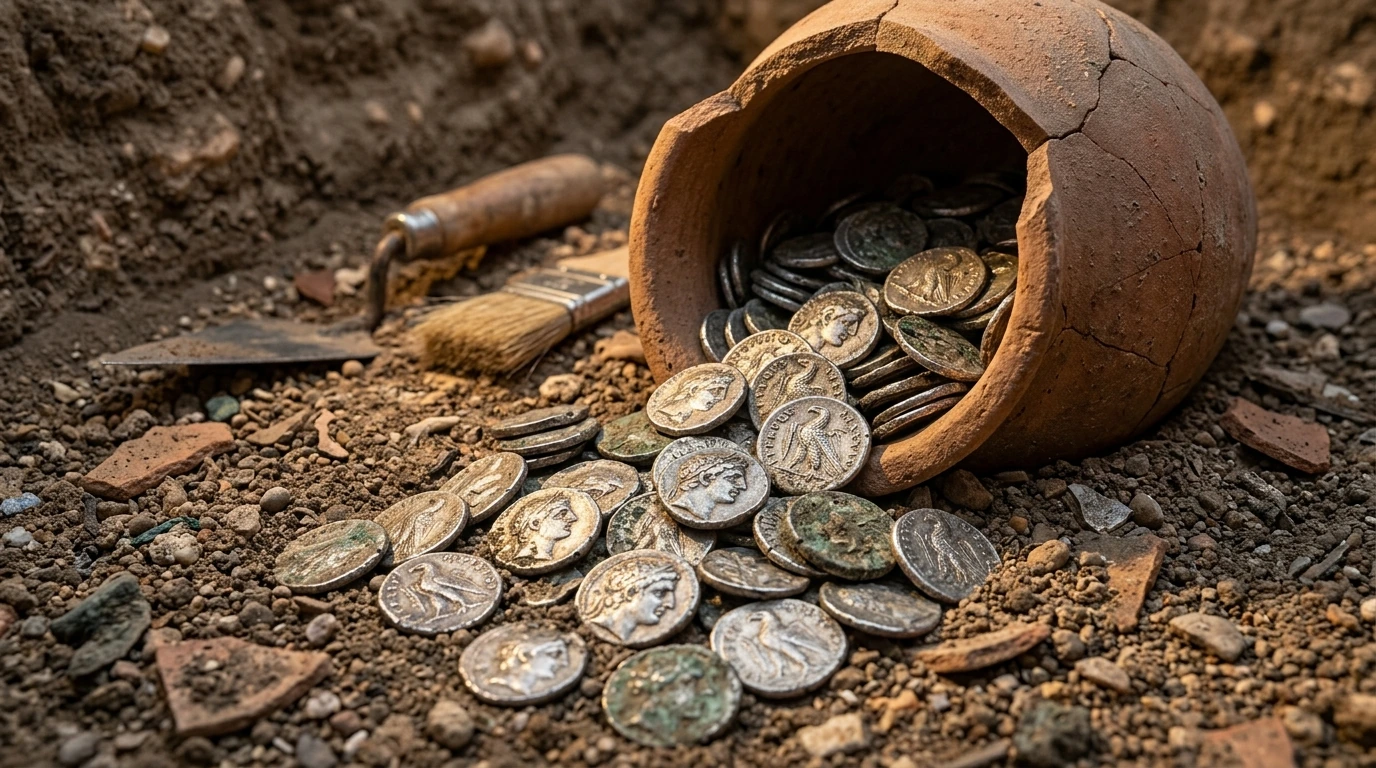
Numismatic hoards discovered in archaeological excavations throughout Israel confirm the circulation of the Tribute Penny:
- The Mount Zion Hoard (Jerusalem): Excavations uncovered hoards of silver coins hidden immediately before the Roman siege of AD 70, containing silver denarii of Tiberius along with Tyrian shekels.
- The Purity Standard: Metallurgical assay of the Tiberius denarius shows that the imperial mint at Lugdunum maintained a high purity of 95% silver during the AD 20s and 30s.
Jesus’ Dual-Citizenship Theology
By distinguishing between the realm of Caesar and the realm of God, Jesus established the foundational principle of Western political liberty:
- The Legitimacy of the State: Government has a valid, limited authority to collect taxes, enforce laws, and maintain social order. Jesus dismantled the Zealot illusion of violent theocratic rebellion.
- The Limitation of the State: Caesar is not God. Caesar's authority is delegated and strictly subordinate to divine moral law. The state cannot claim your conscience, your worship, or your moral allegiance.
- The Absolute Claim of God: God owns everything. Everything that bears His image belongs to Him.
Synthesized Socio-Economic Matrix Table
+----------------------------------------------------------------------------------------------------+
|                         SOCIO-ECONOMIC MATRIX: ROMAN JUDEA                                         |
+--------------------------+-----------------------+-------------------+-----------------------------+
| SOCIAL GROUP             | ECONOMIC ATTITUDE     | POLITICAL ALIGNMENT| RESPONSE TO JESUS           |
+--------------------------+-----------------------+-------------------+-----------------------------+
| Roman Prefects           | Extract maximum taxes | Imperial Rome     | Executed Jesus for stability|
| Chief Priests (Sadducees)| Protected Temple revenues| Aristocratic elite| Plotted Jesus' arrest       |
| Pharisees                | Resented tax deeply   | Popular nationalist| Tried to trap Jesus         |
| Zealots / Sicarii        | Refused tax with dagger| Armed insurrection| Demanded military Messiah   |
| Disciples of Christ      | Rendered taxes honestly| Kingdom of God    | Preached the Gospel         |
+--------------------------+-----------------------+-------------------+-----------------------------+
Primary Sources & Scholarly Archives
Editorial Standard →Official archaeological field reports, certified stratigraphy surveys, and Semitic epigraphy catalogs.
Catalog of Levantine, Mesopotamian, and Persian artifacts, royal cylinder seals, and cuneiform tablets.
Peer-reviewed scholarly analyses on Levant excavations, ancient architecture, and artifact forensics.
Frequently Asked Questions
Did Jesus pay taxes Himself?
Yes. In Matthew 17:24–27, Jesus provided the silver stater from the fish's mouth to pay the Temple tax for Himself and Peter. In Mark 12:17, He affirmed the obligation to pay civil taxes to Caesar.
Why was tax farming so corrupt?
Rome set a fixed sum that each tax contractor had to deliver to the imperial treasury. Any surplus money the contractor could extort from the local population was his personal profit, incentivizing extortion, fraud, and intimidation.
What is the lasting impact of Jesus’ statement?
Jesus' command to "render to Caesar what is Caesar's, and to God what is God's" gave birth to the separation of church and state, limiting government power and enshrining religious freedom.
Related Research Dossiers
View all 515 research dossiers →
Deborah and Jael: Historical Evidence, Ancient Iron Chariots, and the Canaanite City of Hazor

Deborah, Jael, and Sisera: 10 Verified Archaeological Facts vs. Popular Myths