Why was Peter crucified upside down?
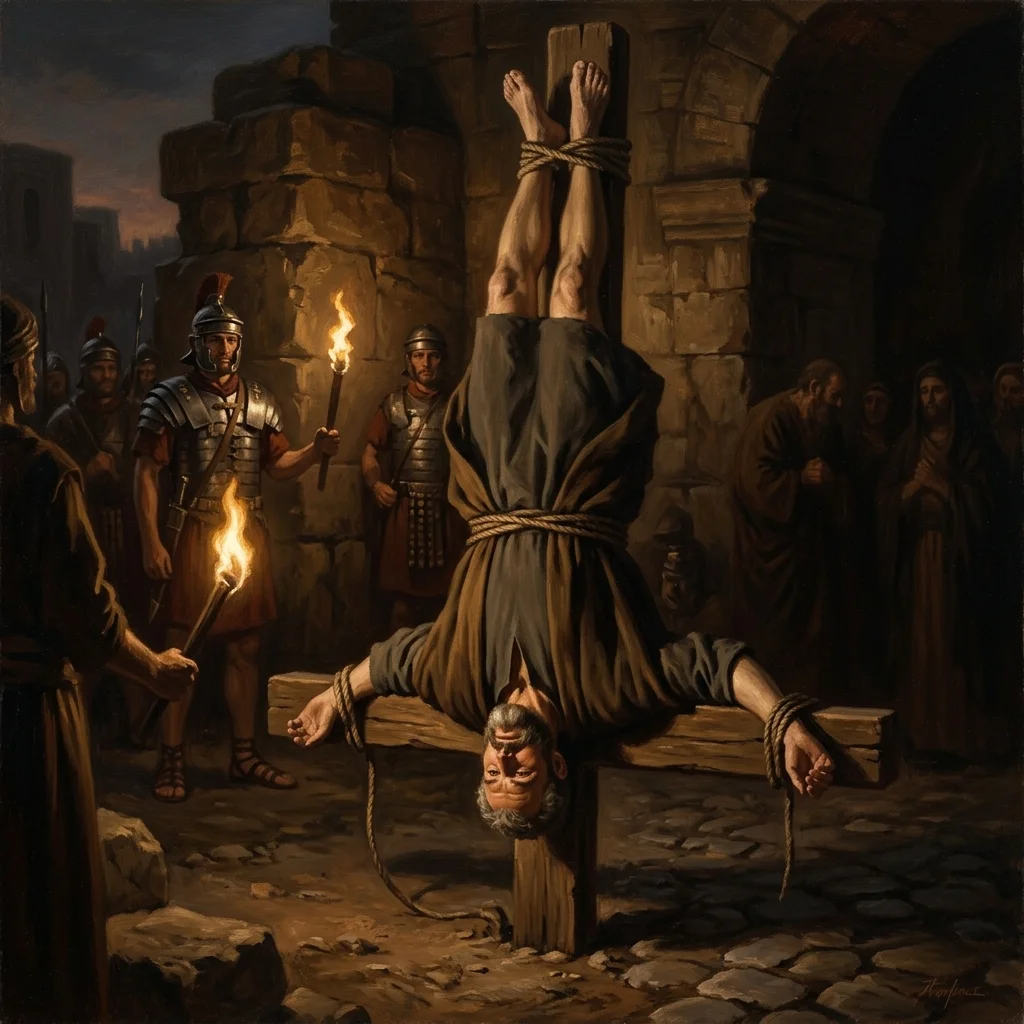
Peter requested inverted crucifixion because he felt unworthy to die in the exact same manner as Jesus Christ, as recorded by Eusebius and early church historians.
Ancient patristic witnesses, Second Temple manuscripts, and classical annals.
Stratigraphic digs, monumental epigraphy, and artifact forensics in the Levant.
Distinguishing canonical Scripture text from historical patristic traditions.
Subject Scope: The Inverted Cross: The Historical and Apocryphal Death of St. Peter in Rome
Historical Context: Primary Roman legal transcripts, imperial annals (Tacitus, Suetonius), and early patristic martyrologies.
Primary Evidence: Forensic trauma biomechanics, historical Roman execution praxis, and classical epigraphic inscriptions.
Investigation Highlights: Historical Context of Nero’s Persecutions • The Acts of Peter and Primary Sources • The Theology of Inverted Crucifixion
Scholarly Consensus: Cross-referenced against Roman imperial records and Mediterranean early Christian archaeological sites.
Historical Context of Nero’s Persecutions
In the summer of 64 AD, a catastrophic fire ravaged Rome, destroying ten of its fourteen districts. The Roman historian Tacitus records in his Annales (XV.44) that Emperor Nero, seeking to divert suspicion from himself, targeted Christians as scapegoats.
"To suppress the rumor, Nero fabricated victims and punished with the utmost refinement the class hated for their abominations, who were commonly called Christians." — Tacitus, Annales
Peter, who was ministering in Rome alongside Paul, became a primary target during this brutal purge.
The Acts of Peter and Primary Sources
The earliest detailed account of Peter's execution appears in the apocryphal Acts of Peter (Vercelli Acts, 2nd century) and is echoed by early church historian Eusebius of Caesarea in Ecclesiastical History (Book III, Chapter 1):
"Peter appears to have preached through Pontus, Galatia, Bithynia, Cappadocia, and Asia to the Jews... and at last, having come to Rome, he was crucified head-downward, for he had requested that he might suffer in this way." — Eusebius
According to these records, when Peter was led to the Vatican Hill (Mons Vaticanus), he requested that his executioners invert the cross so that his feet pointed toward heaven and his head toward the earth.
The Theology of Inverted Crucifixion
Why did Peter make such an extraordinary request?
- Reverence to Christ: Peter declared himself unworthy to die in the exact physical manner of his Lord, Jesus Christ.
- Cosmic Symbolism: In the Acts of Peter, the apostle delivers a sermon from the cross, explaining that fallen humanity sees the world upside down, whereas Christ's redemption restores divine order.
Scripture records Jesus predicting Peter's martyrdom in John 21:18-19:
"Very truly I tell you, when you were younger you dressed yourself and went where you wanted; but when you are old you will stretch out your hands, and someone else will dress you and lead you where you do not want to go."
Archaeology Beneath St. Peter’s Basilica
In the 1940s, Vatican excavations beneath the high altar of St. Peter's Basilica uncovered an ancient Roman necropolis. Archeologists discovered a red wall with early Greek graffiti stating PETROS ENI ("Peter is here"), surrounding bones wrapped in purple cloth dyed with real murex.
This physical evidence corroborates early church accounts that the Apostle Peter was buried directly adjacent to the Circus of Nero on the Vatican Hill.
Apostolic Martyrologies & Prophetic Destinies
Investigating patristic records, Roman imperial annals, and early church martyrologies detailing the lives and executions of biblical witnesses. Each investigation in this pillar is corroborated by primary classical manuscripts, epigraphy, and peer-reviewed historical forensics.
Pillar Dossiers in this Corpus
How Did Jeremiah Die in Egypt? Primary Sources, Patristic Martyrologies, and the Stoning at Tahpanhes
11 min read · Verified Primary DossierThe Life and Death of Daniel in Babylon: Primary Sources, Court Chronicles, and the Tomb at Susa
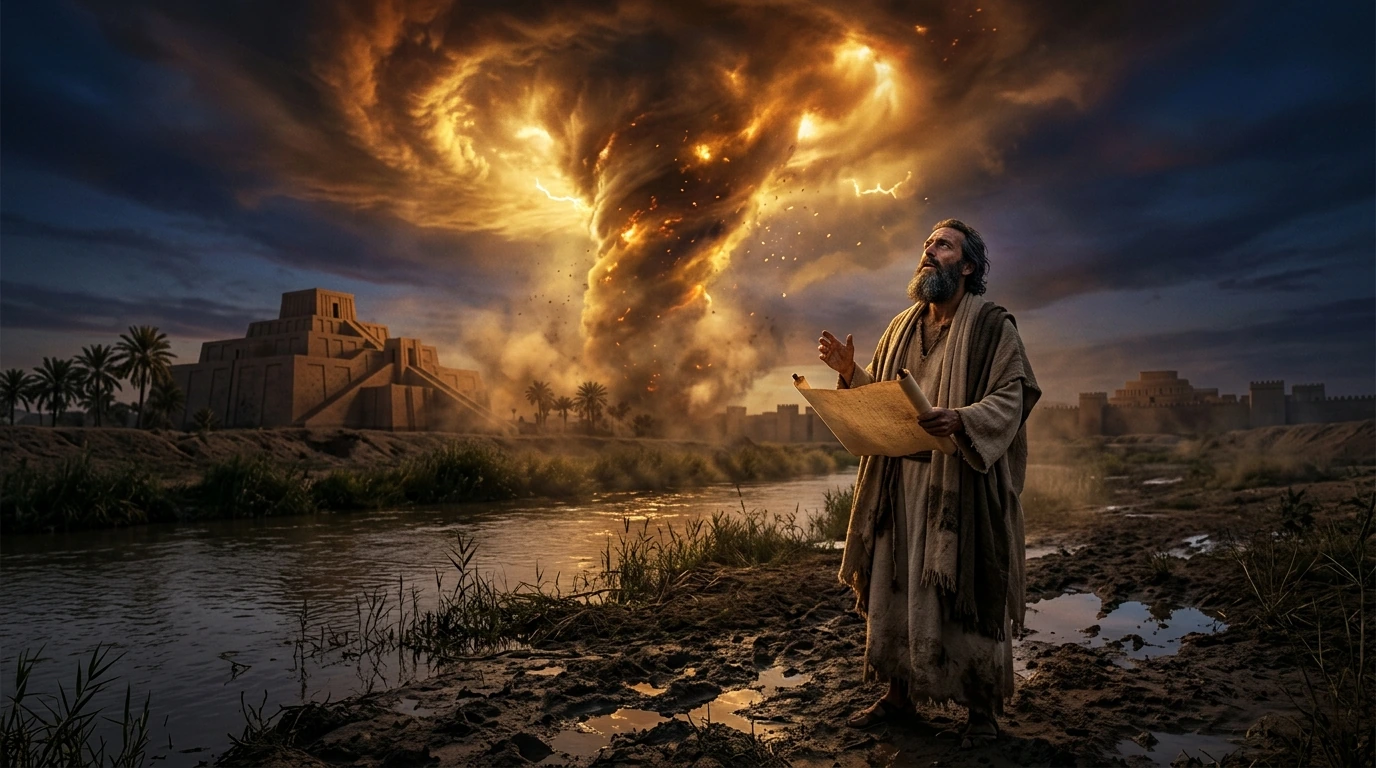
12 min read · Verified Primary DossierHow Did Ezekiel Die in Babylon? Primary Sources, Martyrology, and Historical Evidence
11 min read · Verified Primary DossierMartyrdom on the Via Ostiense: Execution and Tomb Archaeology of St. Paul
11 min read · Verified Primary DossierThe Unwritten Gospel: Volume I — The Twelve Apostles
Access complete Latin and Greek patristic trial transcripts, Roman execution warrants, and early apostolic archaeological tombs.
Primary Sources & Scholarly Archives
Editorial Standard →Primary source corpus including Tacitus (Annales), Suetonius, and early Roman provincial administrative records.
Complete verified English translations of Eusebius Pamphili, Clement of Rome, Polycarp, and Tertullian.
Subterranean Roman necropolis documentation, epigraphic graffiti, and early Christian funerary stelae.
Frequently Asked Questions
Why was Peter crucified upside down?
Peter requested inverted crucifixion because he felt unworthy to die in the exact same manner as Jesus Christ, as recorded by Eusebius and early church historians.
Where in Rome did Peter die?
Peter was martyred at the Circus of Nero on the Vatican Hill, where St. Peter’s Basilica stands today.
Related Research Dossiers
View all 568 research dossiers →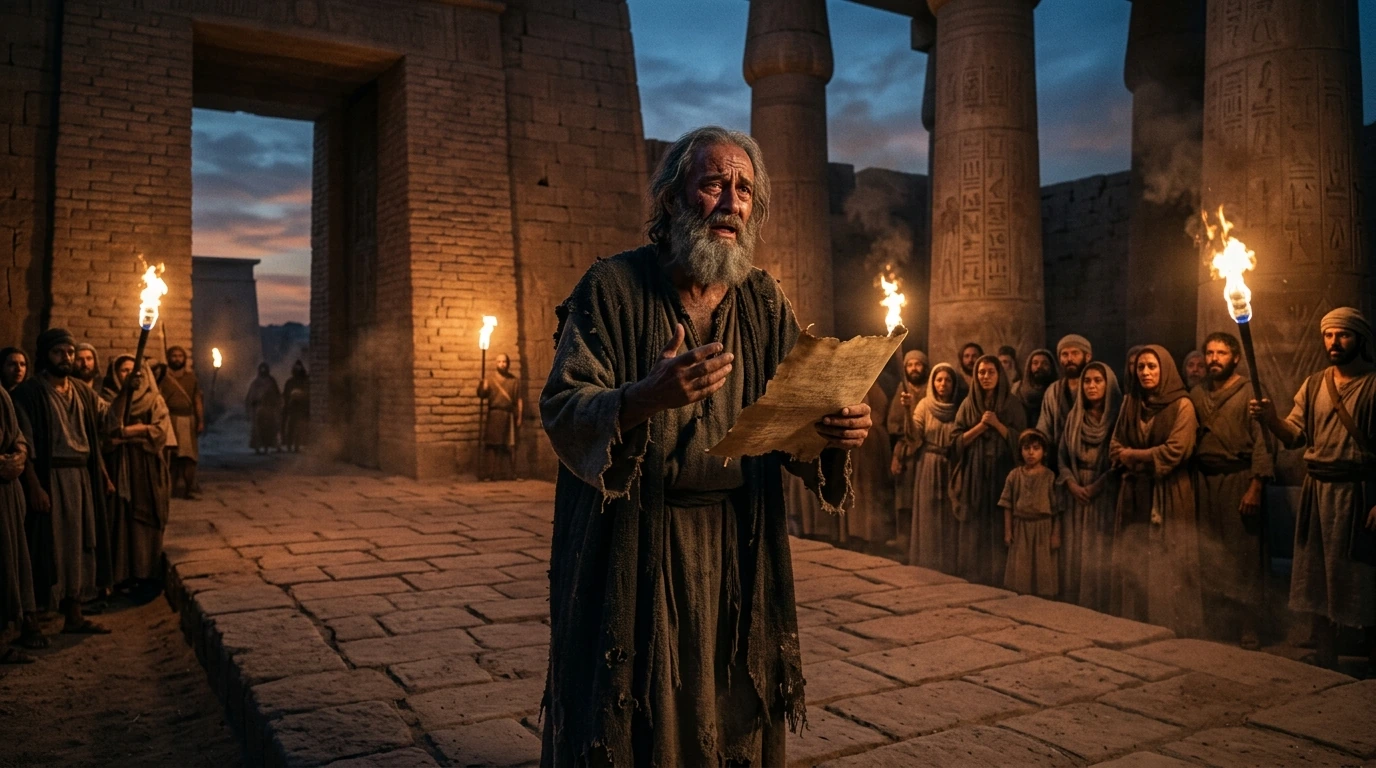
How Did Jeremiah Die in Egypt? Primary Sources, Patristic Martyrologies, and the Stoning at Tahpanhes
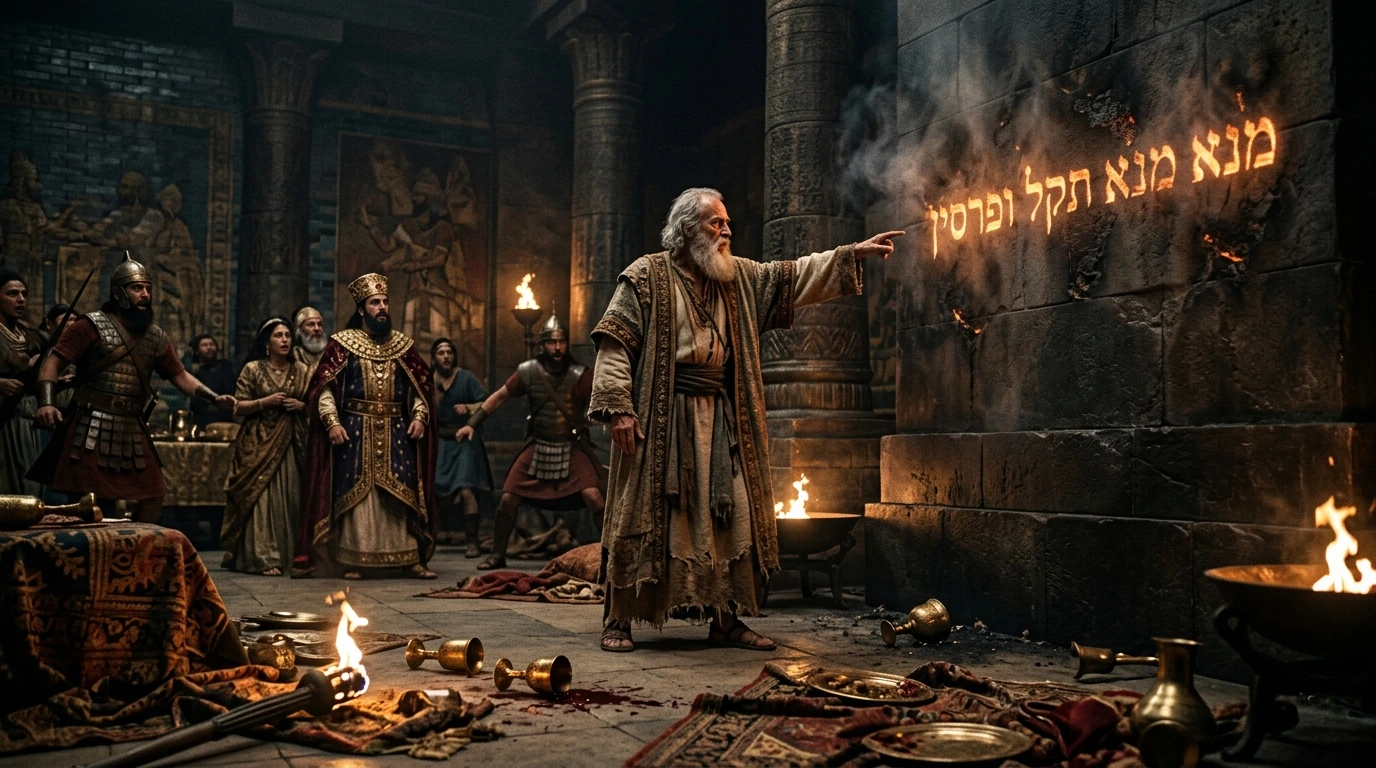
The Life and Death of Daniel in Babylon: Primary Sources, Court Chronicles, and the Tomb at Susa