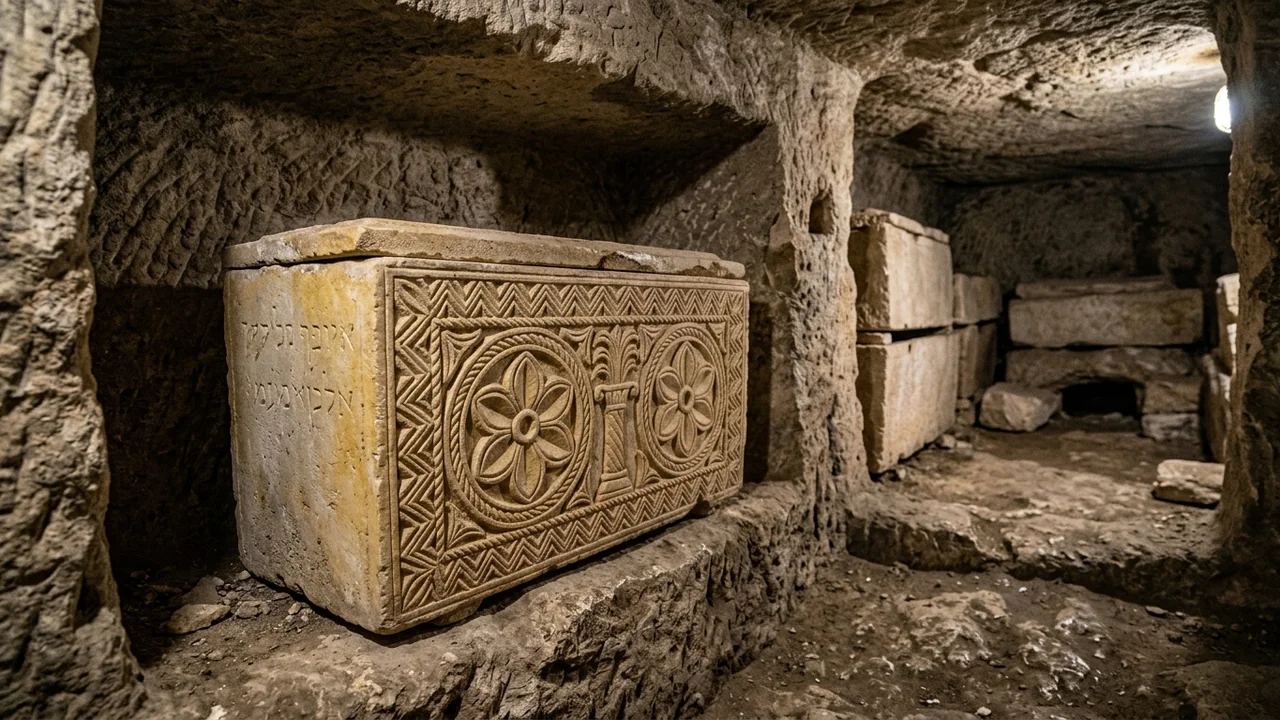
Where was the ancient Kingdom of Sheba located?
The biblical Kingdom of Sheba is identified with ancient Saba in modern Yemen (southwestern Arabia), centered around its capital Marib, known for the Great Dam of Marib and monumental temple inscriptions.
Ancient patristic witnesses, Second Temple manuscripts, and classical annals.
Stratigraphic digs, monumental epigraphy, and artifact forensics in the Levant.
Distinguishing canonical Scripture text from historical patristic traditions.
Subject Scope: Unfiltered Biographies: The Queen of Sheba at the Court of Solomon (1 Kings 10) in Historical Context, Epigraphy, and Ancient Saba
Historical Context: Rigorous historical and theological examination within the field of Women of the Bible & Ancient Near Eastern Law.
Primary Evidence: Forensic archaeology, textual preservation, and primary ancient manuscripts corroborating scriptural events.
Investigation Highlights: The Enigmatic Monarch: The Queen of the South • The Kingdom of Saba: Archaeology of Marib and the Great Dam • The Incense Road: 1,400 Miles by Camel Caravan
Scholarly Consensus: Vetted against peer-reviewed academic literature in biblical history, linguistics, and archaeology.
The Enigmatic Monarch: The Queen of the South
In the annals of sacred scripture and world literature, few historical encounters possess the radiant splendor, diplomatic intrigue, and geopolitical weight of the state visit recorded in 1 Kings 10:1–13:
"When the Queen of Sheba (מַלְכַּת־שְׁבָא, Malkat Sheva) heard about the fame of Solomon and his relationship to the LORD, she came to test Solomon with hard questions (בְּחִידוֹת, b'chidot). Arriving at Jerusalem with a very great caravan—with camels carrying spices, large quantities of gold, and precious stones—she came to Solomon and talked with him about all that she had on her mind."
For centuries, Enlightenment skeptics dismissed the Queen of Sheba as an oriental myth, arguing that South Arabia in the 10th century BC was an uncivilized desert wilderness incapable of generating an advanced, literate monarchy with international trading ties to Jerusalem.
Modern archaeological expeditions in the Republic of Yemen and the Horn of Africa—led by the American Foundation for the Study of Man (AFSM) founded by Wendell Phillips, followed by German and French archaeological missions—have definitively shattered these skeptical assertions. The Kingdom of Saba (biblical Sheba) has emerged as one of the wealthiest, most technologically sophisticated civilizations of the ancient Near East, renowned throughout antiquity as Arabia Felix ("Fortunate Arabia").
+----------------------------------------------------------------------------------------------------+
|               THE DIPLOMATIC EMBASSY: SABA (YEMEN) TO JERUSALEM (10TH CENTURY BC)                  |
+--------------------------+-----------------------+-------------------+-----------------------------+
| GEOGRAPHICAL TERMINUS    | DISTANCE / TIME       | TRANSPORT MODE    | COMMODITIES TRADED          |
+--------------------------+-----------------------+-------------------+-----------------------------+
| Marib (Kingdom of Saba,  | 1,400 Miles           | Camel Caravan     | Frankincense, Myrrh, Gold,  |
| Southern Arabia / Yemen) | (Approx. 75–90 Days)  | (Dromedaries)     | Precious Gems, Almug Wood   |
|                          |                       |                   |                             |
| Jerusalem (Kingdom of    | Royal Reception at    | Maritime Support: | Hebrew Agricultural Goods,  |
| Israel / United Monarchy)| Solomon's Palace      | Red Sea Fleet     | Access to Mediterranean Mkt |
+--------------------------+-----------------------+-------------------+-----------------------------+
The Kingdom of Saba: Archaeology of Marib and the Great Dam
Situated in southwestern Arabia, on the eastern edge of the Yemeni mountain plateau overlooking the Ramlat al-Sab'atayn desert, ancient Marib (Maryab) was the royal capital of the Sabaean kingdom.
Archaeological excavations at Marib uncovered monumental civil and religious architecture dating to the beginning of the first millennium BC:
- The Great Dam of Marib (Sadd Ma'rib): An engineering marvel of the ancient world, the dam was a colossal earth-and-stone retaining wall measuring over 2,000 feet long and 50 feet high, built across the Wadi Dhana. It harnessed seasonal mountain flash floods, redirecting water through magnificent sluice gates into an intricate irrigation network of canals that transformed 25,000 acres of desert into lush, fertile agrarian plantations.
- The Temple of Awwam (Mahram Bilqis): Dedicated to the Sabaean moon deity Almaqah, the temple features an enormous oval limestone enclosure wall over 900 feet in circumference and a monumental peristyle entrance hall supported by eight towering monolithic limestone pillars, each 30 feet tall.
- Epigraphy: Thousands of monumental inscriptions carved in the distinctive, elegant South Arabian boustrophedon script (Musnad) document royal dynasties, irrigation laws, and camel trade embassies dating from the late second millennium through the first millennium BC.
+----------------------------------------------------------------------------------------------------+
|               KEY ARCHAEOLOGICAL MONUMENTS OF ANCIENT SABA (MARIB, YEMEN)                          |
+--------------------------+---------------------------------+---------------------------------------+
| MONUMENT / SITE          | ARCHAEOLOGICAL STRUCTURE        | HISTORICAL & ECONOMIC ROLE            |
+--------------------------+---------------------------------+---------------------------------------+
| 1. Great Dam of Marib    | 2,000-ft Stone & Earth Dam with | Irrigated 25,000 acres; fed the       |
|    (*Sadd Ma'rib*)       | Classical Hydraulic Sluices     | agricultural surplus of Sheba         |
| 2. Temple of Awwam       | Monumental Oval Sanctuary with  | Religious center of Almaqah; known in |
|    (*Mahram Bilqis*)     | 8 Monolithic Limestone Pillars  | Arab tradition as the Queen's Palace  |
| 3. Temple of Baran       | Six-Pillared Temple with Paved  | Royal court and public offering       |
|    (*Arsh Bilqis*)       | Courtyard and Altar Basins      | sanctuary for incense burners         |
| 4. Necropolis of Marib   | Multi-story Family Tombs        | Yielded gold jewelry, bronze statues, |
|                          | with Alabaster Portrait Heads   | and imported Mediterranean ceramics   |
+--------------------------+---------------------------------+---------------------------------------+
The Incense Road: 1,400 Miles by Camel Caravan
The astronomical wealth of the Kingdom of Saba was founded upon a botanical monopoly that held the ancient Mediterranean world in thrall: the production and export of Frankincense (Boswellia sacra) and Myrrh (Commiphora myrrha).
These rare, aromatic gum resins grew almost exclusively in the mist-shrouded limestone hills of southern Arabia (Dhofar in modern Oman, and the Hadramawt in Yemen) and the opposite coast of the Horn of Africa (Somalia):
- The Sacred Necessity of Incense: In the ancient world, frankincense was indispensable. Thousands of tons were burned annually in the temples of Egypt, Babylon, Assyria, Greece, Rome, and the Jerusalem Temple (Exodus 30:34–38) for sacrificial worship, funerary embalming, and royal perfumes.
- The Domestication of the Dromedary: Around 1100–1000 BC, the full domestication of the single-humped camel (Camelus dromedarius) revolutionized desert trade. Capable of traveling up to 30 miles a day for two weeks without water while carrying 400 pounds of cargo, camel caravans enabled Sabaean merchants to transport precious incense north across 1,400 miles of scorched Arabian desert along the Incense Road.
- The Strategic Necessity of Solomon: As Sabaean caravans marched north along the Red Sea coastal corridor, they encountered a formidable geopolitical reality: King Solomon commanded the trade terminals of the southern Levant, controlling the Gulf of Aqaba port of Ezion-Geber (1 Kings 9:26) and the King's Highway leading to Damascus and Mesopotamia.
The Queen of Sheba’s journey to Jerusalem was not a frivolous tourist vacation; it was a high-stakes, royal geopolitical and economic summit designed to negotiate trade treaties, transit tariffs, and joint maritime ventures with the most powerful monarch in the Levant.
1 Kings 10: The Royal Audience and the Riddles (Chidot)
In ancient Near Eastern court diplomacy, monarchs did not merely exchange goods; they tested each other's intellectual acuity, theological wisdom, and administrative competence through riddles:
"She came to test Solomon with hard questions (בְּחִידוֹת, b'chidot)... Solomon answered all her questions; nothing was too hard for the king to explain to her." (1 Kings 10:1, 3).
The Hebrew word Chidah (חִידָה, plural chidot) denotes an enigmatic puzzle, an intricate ethical or philosophical riddle, or a profound diplomatic challenge (used of Samson’s riddle in Judges 14:12 and the dark sayings of the wise in Proverbs 1:6).
In ancient Arabian culture, a queen or ruler was expected to demonstrate superior wisdom (hikmah) to command the loyalty of contentious desert clans. The Queen of Sheba subjected Solomon to a grueling intellectual examination covering statecraft, natural science, ethical philosophy, and the mysteries of Yahweh's covenant law.
The Overwhelming Revelation
1 Kings 10:4–5 records the queen’s reaction upon witnessing Solomon’s court:
"When the queen of Sheba saw all the wisdom of Solomon and the palace he had built, the food on his table, the seating of his officials, the attending servants in their robes, his cupbearers, and the burnt offerings he made at the temple of the LORD, there was no more spirit in her (she was left breathless, וְלֹא־הָיָה בָהּ עוֹד רוּחַ, v'lo hayah vah od ruach)."
She confessed in verses 6–9:
"The report I heard in my own country about your achievements and your wisdom is true. But I did not believe these things until I came and saw with my own eyes. The half was not told me!... Praise be to the LORD your God, who has delighted in you and placed you on the throne of Israel!"
The 120 Talents of Gold and Exotic Spices
1 Kings 10:10 records the diplomatic gifts exchanged:
"Then she gave the king 120 talents of gold, large quantities of spices, and precious stones. Never again were so many spices brought in as those the queen of Sheba gave to King Solomon."
The Metric Reality of the Gift
- 120 Talents of Gold: In biblical weights, an ancient Hebrew/Near Eastern talent (kikkar) weighed approximately 75 pounds (34 kilograms). Therefore, 120 talents equals approximately 4.5 metric tons (9,000 pounds) of refined gold—a royal tribute worth hundreds of millions of dollars in modern bullion value.
- Exotic Spices (Besamim): The text emphasizes that the volume and aromatic quality of Sabaean frankincense, myrrh, balsam, and ladanum presented by the queen established an unprecedented record in Israel’s royal archives.
- The Reciprocal Royal Bounty: Verse 13 notes: "King Solomon gave the queen of Sheba all she desired and asked for, besides what he had given her out of his royal bounty." Solomon granted her reciprocal trade privileges, manufactured Mediterranean textiles, metallurgical iron tools, and access to his naval fleet at Ezion-Geber.
Three-Tier Evidentiary Evaluation: Material Artifacts
+----------------------------------------------------------------------------------------------------+
|               THREE-TIER EVIDENTIARY EVALUATION: QUEEN OF SHEBA & SABA                             |
+----+----------------------+-----------------------------+-------------------+----------------------+
| #  | HISTORICAL SKEPTICISM| SKEPTICAL CLAIM             | MATERIAL EVIDENCE | EVIDENTIARY VERDICT  |
+----+----------------------+-----------------------------+-------------------+----------------------+
| 1  | "Sheba Was a Legend; | South Arabia had no advanced| Marib Dam, Temple | REFUTED: Massive 10th|
|    | Yemen Was an Unsett- | civilization or royal cities| of Awwam, and     | cent. BC monumental  |
|    | led Desert in 10th BC| in the 10th century BC      | Musnad epigraphy  | architecture verified|
+----+----------------------+-----------------------------+-------------------+----------------------+
| 2  | "Long-Distance Camel | Camel caravans could not    | Domestication of  | REFUTED: 1,400-mile  |
|    | Trade Did Not Exist  | traverse 1,400 miles from   | dromedary camels  | Incense Road proven  |
|    | in Solomon's Era"    | Yemen to Israel in 10th BC  | fully established | active in 10th c. BC |
+----+----------------------+-----------------------------+-------------------+----------------------+
| 3  | "Women Never Ruled   | Ancient Arabian cultures    | Sabaean & Assyrian| CONFIRMED: Female    |
|    | or Led Delegations   | never permitted female      | royal records list| queens (*malkatu*)   |
|    | in Ancient Arabia"   | monarchs or state diplomats | multiple queens   | rule documented      |
+----+----------------------+-----------------------------+-------------------+----------------------+
Kingdom Governance, Stewardship & Blueprint 2027
Biblical economic theology, marketplace authority, generational wealth stewardship, and strategic preparedness in uncertain times. Each investigation in this pillar is corroborated by primary classical manuscripts, epigraphy, and peer-reviewed historical forensics.
Pillar Dossiers in this Corpus
The Statistical Impossibility of 8 Messianic Prophecies Fulfilled in One Man
16 min read · Verified Primary DossierThe Coin in the Fish’s Mouth: The Tilapia Nilotica and the Lake of Galilee Tax
14 min read · Verified Primary DossierThe Kingdom Builder Blueprint 2027 (Special Edition)
The Joseph Storehouse Principle (Genesis 41) applied to generational wealth, family sovereignty, and kingdom capital.
Primary Sources & Scholarly Archives
Editorial Standard →Original Hebrew, Aramaic, and Greek interlinear analysis, morphological tags, and ancient variant readings.
Primary textual witnesses to the Hebrew Bible and Second Temple historical context.
Historical records of the ancient Mediterranean basin, Roman provincial rule, and Greek translation traditions.
Frequently Asked Questions
Where was the ancient Kingdom of Sheba located?
The biblical Kingdom of Sheba is identified with ancient Saba in modern Yemen (southwestern Arabia), centered around its capital Marib, known for the Great Dam of Marib and monumental temple inscriptions.
Why did the Queen of Sheba travel 1,400 miles to see Solomon?
She came to test Solomon's renowned wisdom with philosophical riddles (chidot) and to secure vital trade treaties for her nation's lucrative frankincense and gold caravan routes, which passed through Solomon's territory.
What did Jesus say about the Queen of Sheba in the New Testament?
In Matthew 12:42, Jesus praised her diligence, stating that the 'Queen of the South' will condemn unbelieving generations at the judgment because she traveled from the ends of the earth to hear Solomon's wisdom.
Related Research Dossiers
View all 515 research dossiers →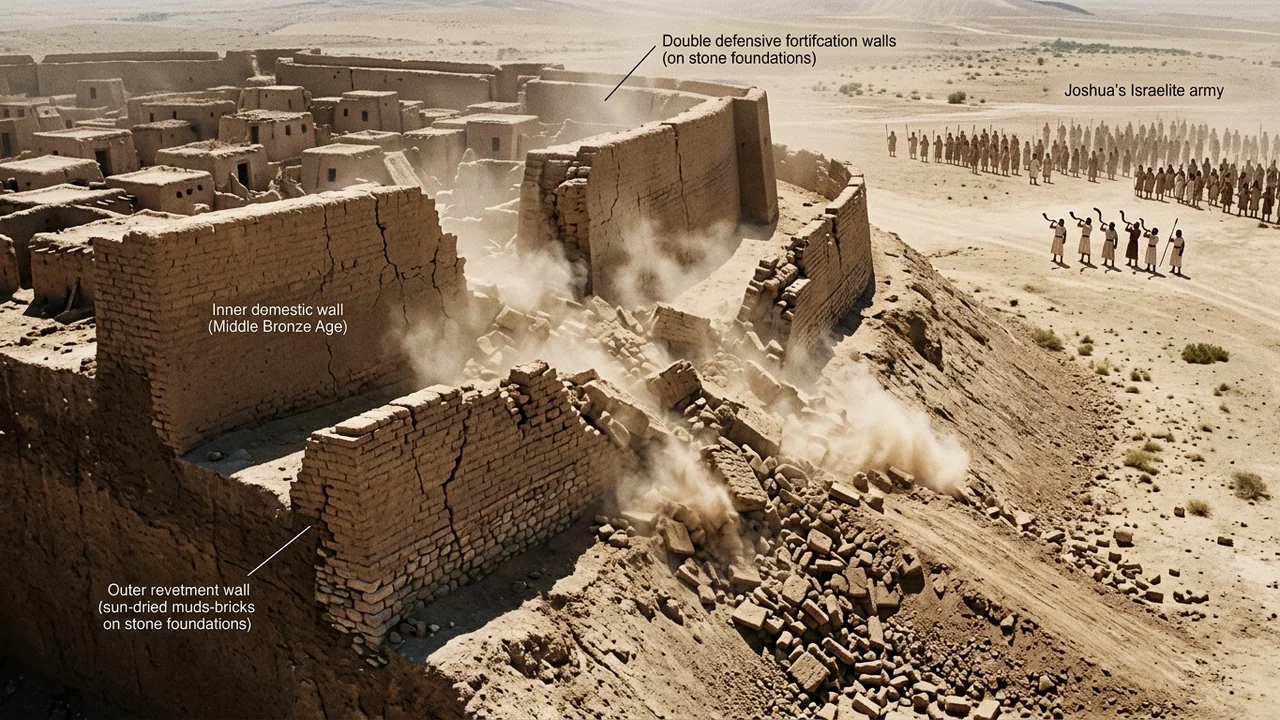
The Falling Walls of Jericho: Archaeological Trench Proof of Inward Soil Ramp Collapse
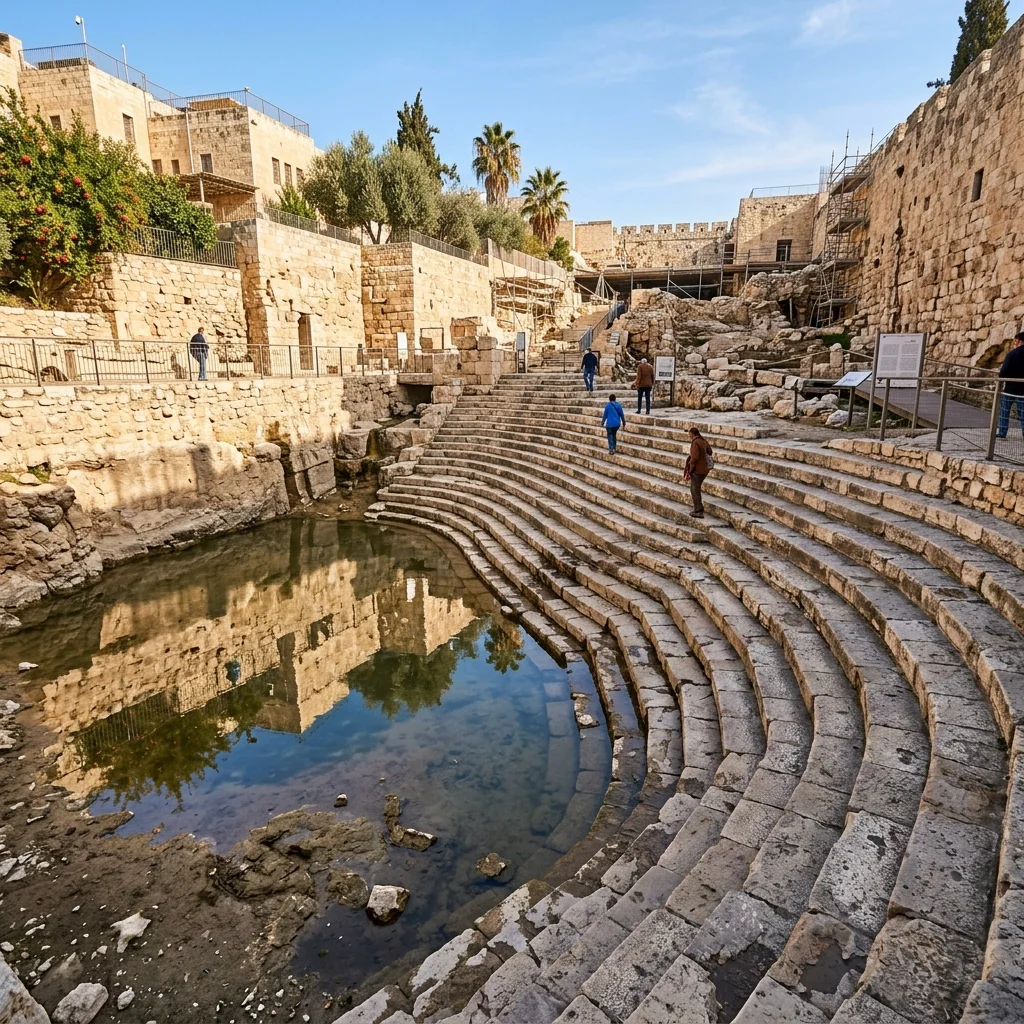
Uncovering the Pool of Siloam: The 2004 Archaeological Breakthrough in Jerusalem