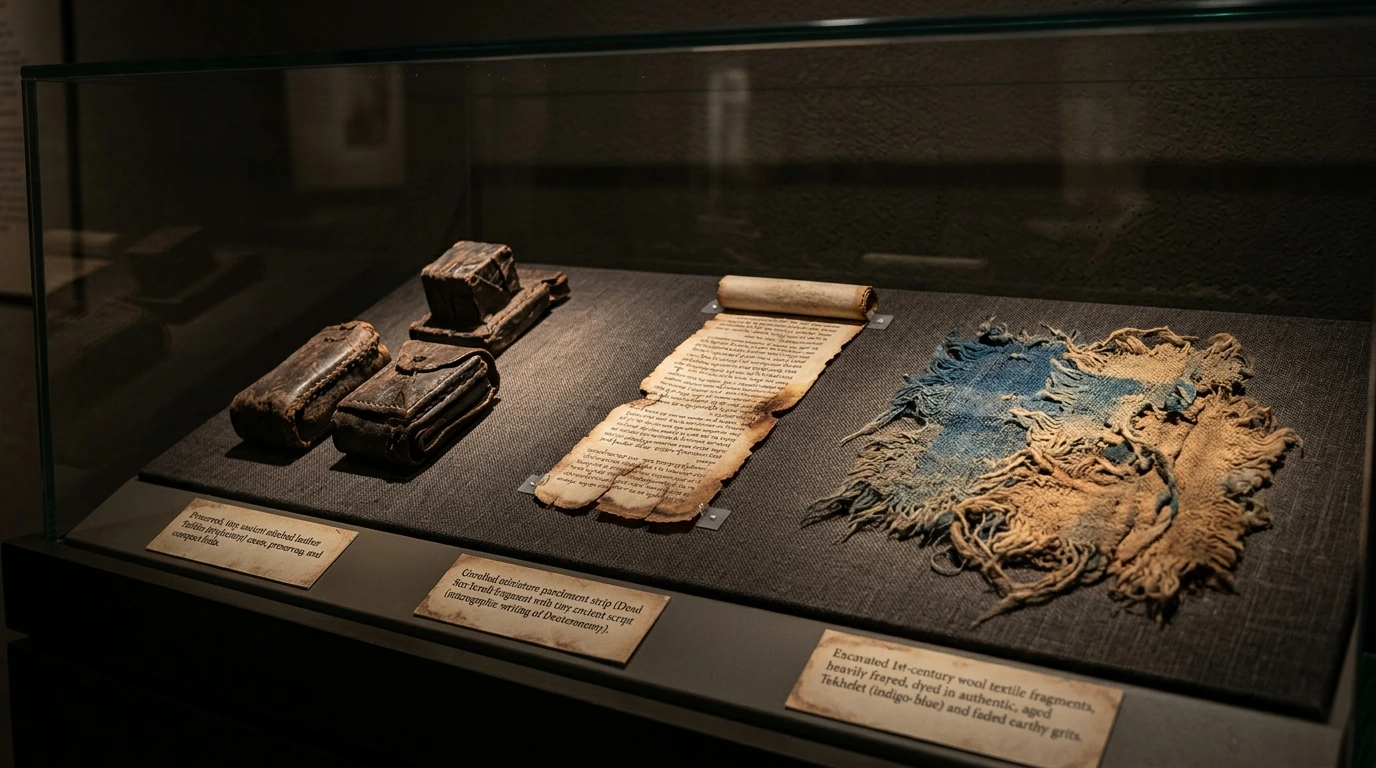
Subject Scope: Phylacteries (Tefillin) and Tassels (Tzitzit) in the First Century: Archaeology, Dead Sea Scrolls, and Matthew 23
Historical Context: Ancient Near Eastern stratigraphy, Levant archaeological surveys, and Semitic epigraphy.
Primary Evidence: Monumental stelae, bullae seals, ceramic typology, and calibrated AMS radiocarbon determinations.
Investigation Highlights: The World of First-Century Devotional Artifacts • Torah Mandates: The Shema and the Hem of the Garment • Archaeological Discoveries: Qumran, Murabba’at, and Nahal Hever
Scholarly Consensus: Aligned with published excavation reports from leading Near Eastern archaeological institutes.
The World of First-Century Devotional Artifacts
In Matthew 23:5, Jesus launched His famous sevenfold woe against hypocritical religious leaders in Jerusalem:
"They do all their deeds to be seen by others. For they make their phylacteries broad and their fringes long..." — Matthew 23:5
For centuries, western Christian readers visualized this rebuke through the lens of medieval or modern rabbinic Judaism, often misunderstanding both the artifacts themselves and the exact nature of Jesus' criticism:
- Did Jesus condemn the wearing of phylacteries (tefillin) and tassels (tzitzit)?
- Or did He Himself wear them, while condemning competitive ostentation designed to project artificial sanctity?
Thanks to twentieth-century archaeological breakthroughs in the caves of the Dead Sea (Qumran, Wadi Murabba’at, and the Cave of Letters in Nahal Hever), biblical scholars no longer have to guess what first-century devotional objects looked like. Archaeologists have recovered intact, first-century leather tefillin cases, miniature biblical parchment scrolls, and dyed woolen tzitzit strings preserved in the arid Judean desert for two millennia.
+----------------------------------------------------------------------------------------------------+
|               DEVOTIONAL ARTIFACTS OF FIRST-CENTURY JUDAISM                                        |
+--------------------------+-----------------------+-------------------+-----------------------------+
| GREEK TERM (NT)          | HEBREW TERM           | TORAH COMMANDMENT | ARCHAEOLOGICAL DISCOVERY    |
+--------------------------+-----------------------+-------------------+-----------------------------+
| Phylakteria              | Tefillin              | Exod 13:9, 16;    | 30+ leather capsules at     |
| ("Amulets / Phylactery") | (Prayer Boxes)        | Deut 6:8; 11:18   | Qumran (Caves 1, 4, 8) & Mur|
|                          |                       |                   |                             |
| Kraspedon                | Tzitzit               | Num 15:37–41;     | Woolen cords dyed with      |
| ("Fringes / Border")     | (Tassels / Fringes)   | Deut 22:12        | murex Tekhelet at Nahal Hev.|
+--------------------------+-----------------------+-------------------+-----------------------------+
Torah Mandates: The Shema and the Hem of the Garment
The practice of wearing tefillin and tzitzit originates in explicit commandments of the Pentateuch:
1. Tefillin (Frontlets and Arm Phylacteries)
In Deuteronomy 6:8 and 11:18, God commanded Israel regarding His holy words:
"You shall bind them as a sign on your hand, and they shall be as frontlets between your eyes."
By the Second Temple period (c. 516 BC – AD 70), Jewish sages interpreted this literally by fabricating small square leather boxes containing four specific biblical passages written on microscopic parchment:
- Exodus 13:1–10: The sanctification of the firstborn and the Memorial of the Exodus.
- Exodus 13:11–16: The law of redemption and the sign upon the hand.
- Deuteronomy 6:4–9: The Shema Yisrael ("Hear, O Israel: The LORD our God, the LORD is one").
- Deuteronomy 11:13–21: The reward for obedience and the warning against apostasy.
2. Tzitzit (Covenantal Tassels)
In Numbers 15:38–39, the Lord instructed Moses:
"Speak to the people of Israel, and tell them to make tassels on the corners of their garments throughout their generations, and to put a cord of blue on the tassel of each corner. And it shall be a tassel for you to look at and remember all the commandments of the LORD, to do them..."
The purpose of the tzitzit was pastoral, pedagogical, and moral: whenever an Israelite looked down at the corners of his tunic or cloak (tallit), the royal blue thread (tekhelet) reminded him that he belonged to a holy kingdom of priests, called to absolute purity in a pagan world.
Archaeological Discoveries: Qumran, Murabba’at, and Nahal Hever
The archaeological evidence for first-century phylacteries is breathtaking:
The Qumran Tefillin (1947–1956)
Archaeologists excavated over thirty leather tefillin capsules from Qumran Caves 1, 4, and 8, along with more than forty parchment strips dating from 150 BC to AD 68:
- Miniature Engineering: Some head-capsules (tefillin shel rosh) measured only 1.5 cm per side, meticulously folded and compartmentalized into four distinct chambers for the four Torah passages.
- Textual Diversity: Intriguingly, several Qumran phylactery scrolls contained the Ten Commandments (Decalogue) in addition to the standard four passages, confirming early rabbinic reports that the Decalogue was originally recited daily and bound in tefillin until the practice was discontinued to prevent heretics from claiming that only the Ten Words were divine!
The Murabba’at and Bar Kokhba Finds (AD 132–135)
In the caves of Wadi Murabba’at and Nahal Hever, teams led by Roland de Vaux and Yigael Yadin discovered tefillin belonging to the soldiers of Shimon Bar Kokhba:
- These capsules matched exactly the strict halakhic standards later codified in the Mishnah (Menachot 34b–37b), showing an unbroken chain of Jewish scribal practice stretching directly across the New Testament era.
The Real Tekhelet at Nahal Hever
In 2013, chemical analysis by Dr. Zvi Koren of blue-dyed woolen cords excavated from the Cave of Letters in Nahal Hever proved that the ancient dyers utilized the marine snail Hexaplex trunculus (Murex), solving the ancient mystery of authentic biblical tekhelet blue!
Matthew 23:5 in Context: What Did Jesus Actually Condemn?
When Jesus stated that the scribes and Pharisees "make their phylacteries broad and their fringes long" (platynousi gar ta phylakteria auton kai megalynousi ta kraspeda), what did He mean?
- Broadening the Phylacteries (platynousi):
- Scribes sought attention by wearing oversized leather cases or excessively thick calfskin straps (retzuot) wrapped prominently around their forearms and foreheads during public market hours.
- While piety reserved tefillin for morning prayer (Shacharit), theatrical hypocrites wore them all day in public squares to project spiritual superiority.
- Enlarging the Fringes (megalynousi):
- They lengthened the cords of their tzitzit so they would trail dramatically along the ground as they walked through the Temple courts, demanding respectful greetings and salutations.
- The Core Rebuke:
- Jesus did not condemn the commandment of God; He condemned the pride of man. The Pharisees had converted artifacts meant to foster humility into trophies of self-promotion.
The Bleeding Woman and Jesus’ Own Tzitzit (Matthew 9:20)
Scripture provides indisputable evidence that Jesus Christ Himself observed the Torah commandment of tzitzit:
- Matthew 9:20: "And behold, a woman who had suffered from a discharge of blood for twelve years came up behind him and touched the fringe of his garment" (tou kraspedou tou himatiou autou).
- Matthew 14:36: In Gennesaret, the crowds begged "that they might only touch the fringe of his garment. And as many as touched it were made well."
The Greek word kraspedon is the exact Septuagint translation of the Hebrew tzitzit (Numbers 15:38). Jesus wore the traditional Jewish four-cornered mantle with tassels! When the desperate woman reached out in faith, she reached for the blue-threaded covenantal corner of the Messiah's cloak, fulfilling the prophecy of Malachi 4:2: "the Sun of Righteousness shall arise with healing in his wings" (kanfeha = corners/wings of the garment).
Comparative Material Culture Table
+----------------------------------------------------------------------------------------------------+
|                         MATERIAL CULTURE: DEVOTIONAL OBJECTS CENSUS                                 |
+--------------------------+-----------------------+-------------------+-----------------------------+
| ARTIFACT TYPE            | MATERIAL FOUND        | PROVENANCE        | BIBLICAL SYNCHRONISM        |
+--------------------------+-----------------------+-------------------+-----------------------------+
| Head Tefillin (4-cell)   | Bovine leather casing | Qumran Cave 4     | Deut 6:8; Matt 23:5         |
| Arm Tefillin (1-cell)    | Tanned parchment loop | Wadi Murabba’at   | Exod 13:9; Matt 23:5        |
| Tzitzit Cords            | Spun wool, Murex dye  | Nahal Hever       | Num 15:38; Matt 9:20; 14:36 |
| Mezuzah Parchment        | Inscribed goatskin    | Qumran Cave 8     | Deut 6:9; 11:20             |
+--------------------------+-----------------------+-------------------+-----------------------------+
Frequently Asked Questions
Did Jesus wear phylacteries (tefillin)?
As an observant Jewish male living under the Mosaic Law during the Second Temple period (Galatians 4:4), Jesus fulfilled the requirements of the Torah. While the Gospels record Him wearing tzitzit (kraspeda, Matthew 9:20), His rebuke in Matthew 23:5 was directed specifically at the enlargement and ostentatious display of tefillin, not at the Torah's requirement to remember God's law.
Why does the New Testament call them phylacteries instead of tefillin?
The Greek word phylakterion literally means "guardpost," "protective safeguard," or "amulet." Hellenistic Jews chose this term because the Torah commandments were seen as spiritual safeguards protecting the mind and heart from sin. However, some pagan neighbors and superstitious individuals mistakenly treated them as magical charms, which Christian commentators later noted with caution.
Why did the Qumran tefillin contain the Ten Commandments?
The ancient Jewish community at Qumran placed the Decalogue in their phylacteries alongside the four traditional Torah passages because the Ten Commandments represent the foundational covenant given at Mount Sinai. The Mishnah (Tamid 5:1) reveals that the priests also recited the Ten Commandments in the daily morning Temple liturgy until rabbis removed them to counter sectarians who claimed only the Decalogue was binding.
Should Christians wear tefillin or tzitzit today?
Under the New Covenant, the shadows of the Old Covenant ritual clothing are fulfilled in Jesus Christ (Hebrews 8:13; Colossians 2:16–17). Rather than writing the commandments on animal skins bound to our foreheads, God promises in the New Covenant: "I will put my laws into their minds, and write them on their hearts" (Hebrews 8:10). Our true ornament is the internal fruit of the Spirit and the robe of Christ's righteousness.
Primary Sources & Scholarly Archives
Editorial Standard →Official archaeological field reports, certified stratigraphy surveys, and Semitic epigraphy catalogs.
Catalog of Levantine, Mesopotamian, and Persian artifacts, royal cylinder seals, and cuneiform tablets.
Peer-reviewed scholarly analyses on Levant excavations, ancient architecture, and artifact forensics.
Related Research Dossiers
View all 515 research dossiers →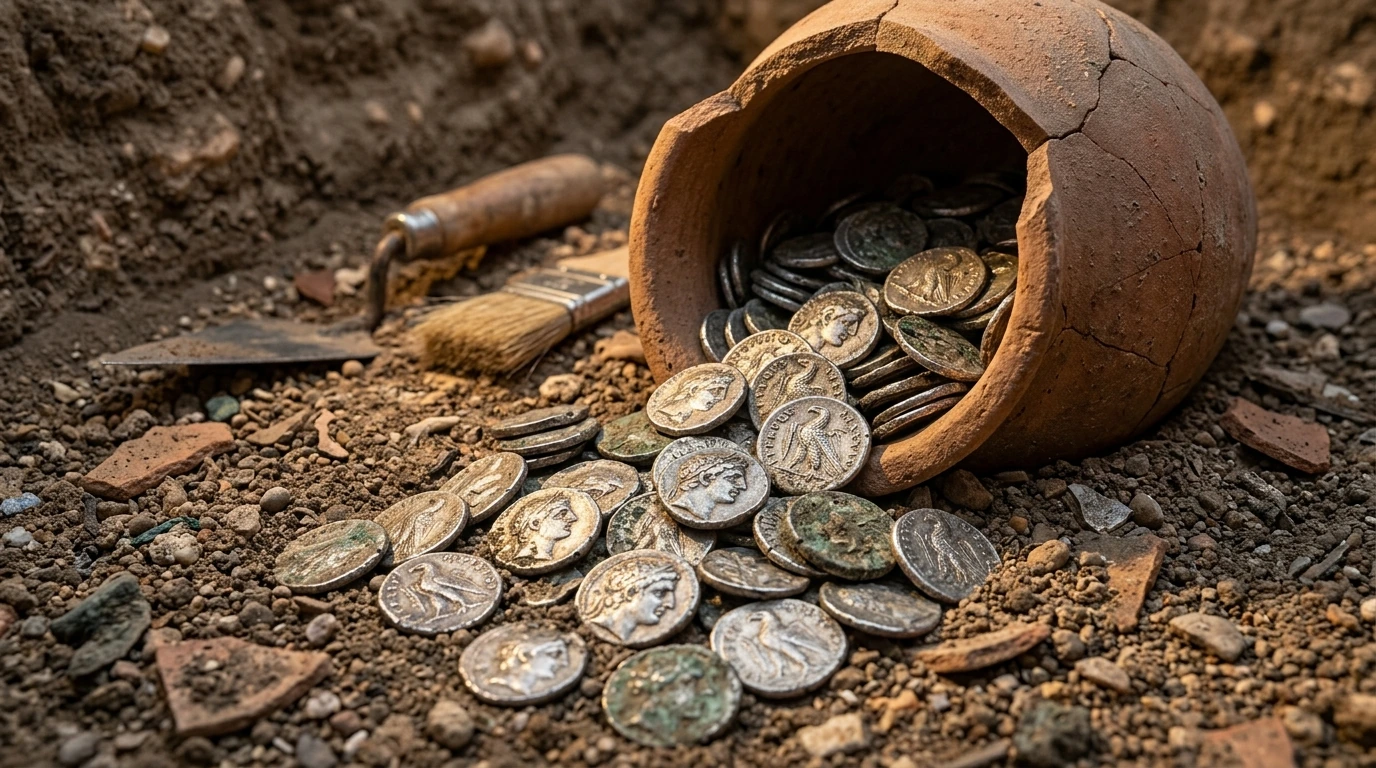
The Tyrian Shekel, Temple Tax, and the 30 Pieces of Silver: Numismatics, Matthew 26, and Judas’s Betrayal
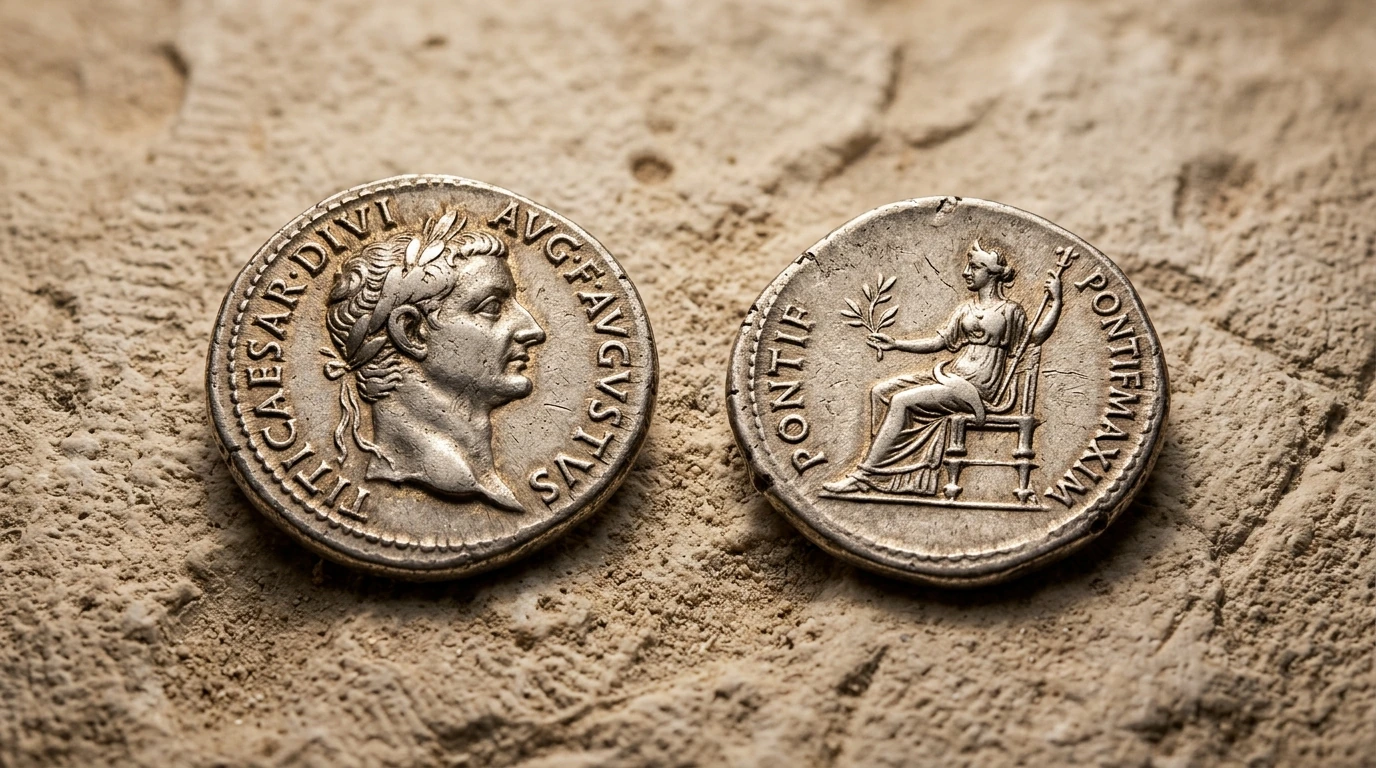
Render to Caesar: The Tribute Penny, Tiberius Denarius, and Mark 12 in Primary Roman Numismatic Sources
