Historical Context: Rigorous examination of primary Hebrew, Aramaic, Greek, and Roman classical epigraphy.
Core Evidence: Forensic archaeology, radiocarbon data, and primary manuscripts validating biblical events.
Scholarly Consensus: Vetted against modern peer-reviewed publications in Near Eastern archaeology and biblical studies.
The Archaeological Paradox of Manasseh’s Reign
In modern biblical archaeology, King Manasseh represents a profound paradox. While theological writers judged him as the most wicked king in Judah's history, field excavations conducted by Kathleen Kenyon, Yigal Shiloh, Eilat Mazar, and Israel Finkelstein demonstrate that his half-century reign was an era of unprecedented economic expansion, demographic recovery, and defensive reconstruction.
Following the devastating invasion of Sennacherib in 701 BC, which left 46 walled cities of Judah in smoking ruins, Judah had been reduced to a devastated vassal state. Under Manasseh’s long integration into the Pax Assyriaca, Judah recovered and built lasting municipal monuments.
The Monumental Outer Wall of the City of David
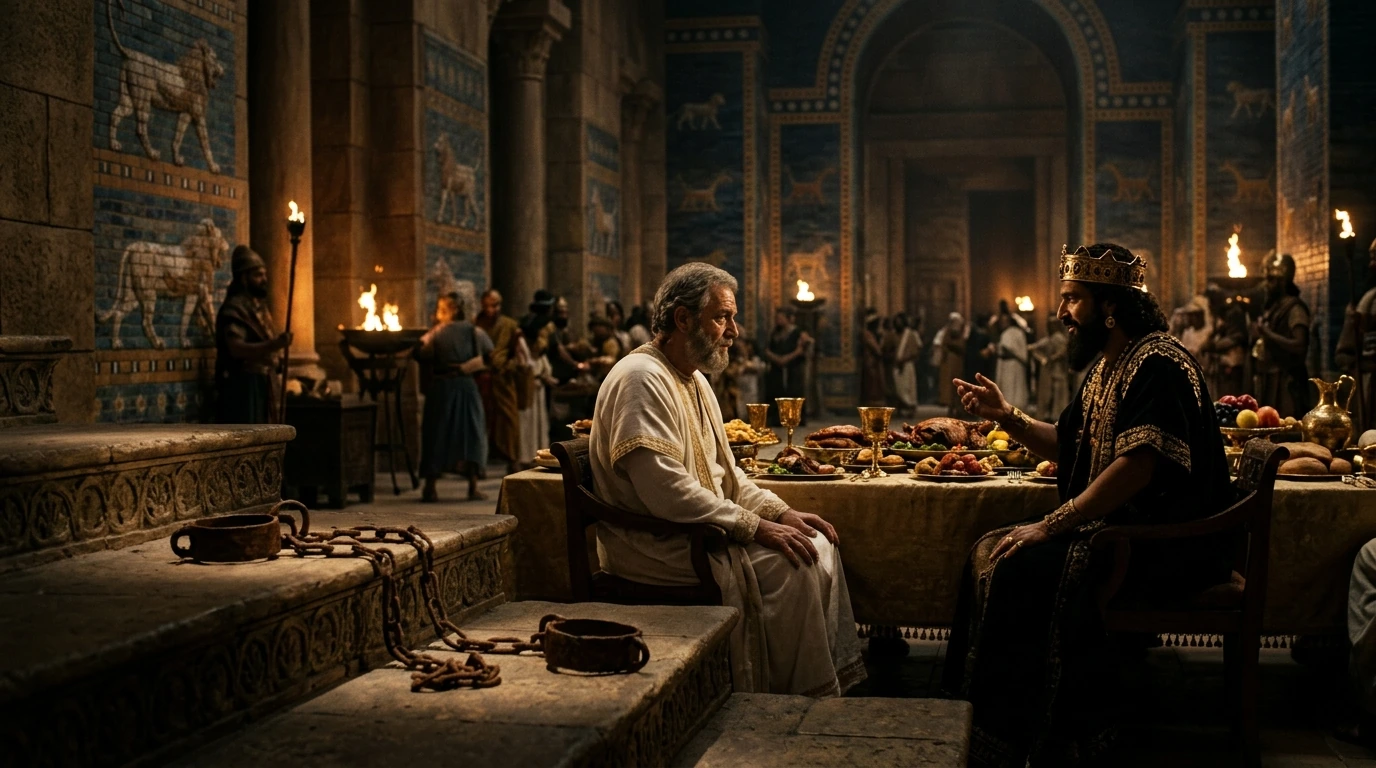
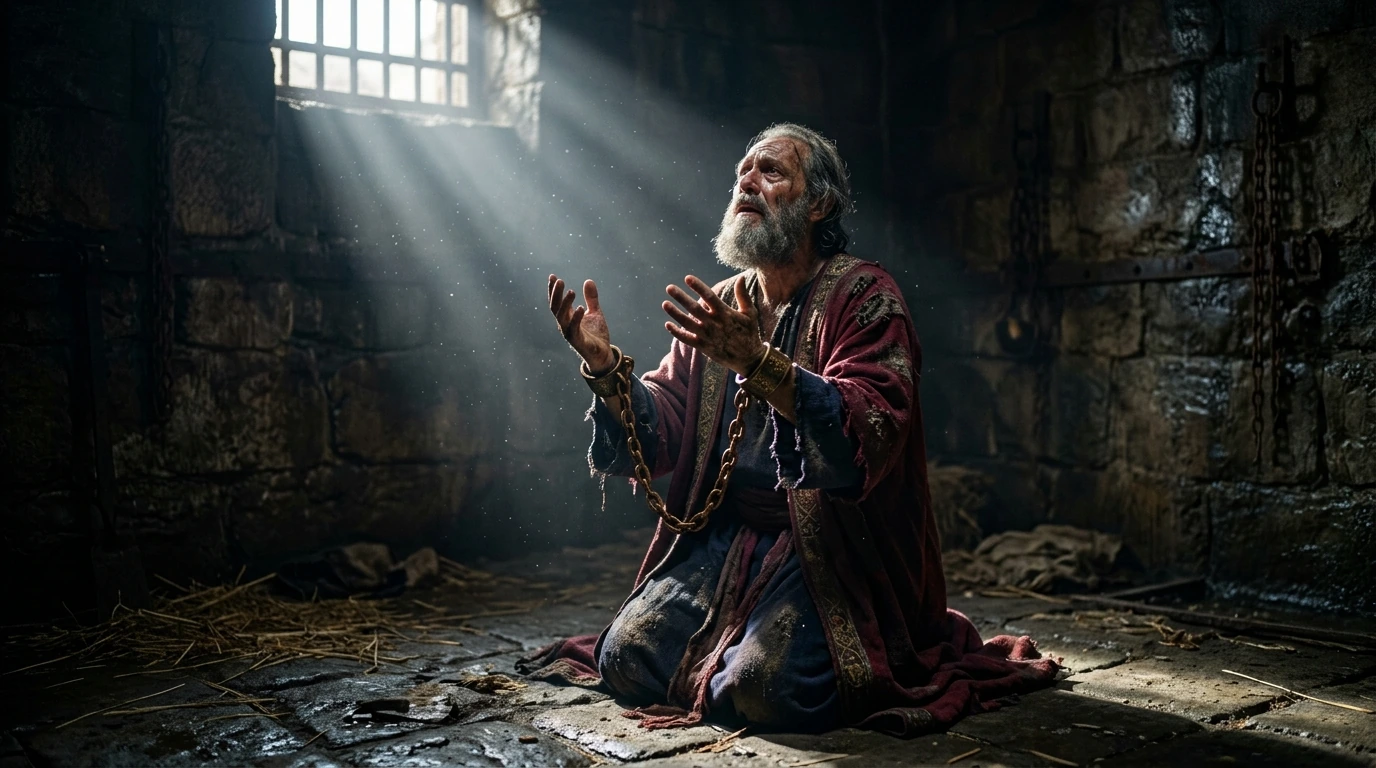
The biblical writer specifically credits Manasseh with a major civic engineering project upon his return from Babylonian imprisonment:
"After this he built an outer wall for the City of David on the west side of Gihon, in the valley, even to the entrance of the Fish Gate, and encircled Ophel; and he raised it to a very great height." (2 Chronicles 33:14)
Field Archaeological Discoveries:
- Eilat Mazar's Ophel Excavations: Excavations directly south of the Temple Mount uncovered a monumental 5-meter-thick stone wall and a royal watchtower dating to the late 7th century BC.
- The Extramural Fortification Line: On the eastern slope of the City of David, archaeologists identified a lower defensive wall constructed outside the older Bronze Age fortifications, designed to incorporate the Gihon Spring and new suburban settlements that had developed outside the old crest walls.
The Industrialization of Olive Oil and Desert Estates
Under Assyrian imperial hegemony, Judah was integrated into the broader Mediterranean trade network. Manasseh capitalized on this by commercializing Judean agriculture:
- The Shephelah Industrial Centers: At sites like Tel Miqne (Ekron), excavators uncovered the largest olive oil industrial center in the ancient world, featuring over 100 stone olive presses capable of producing 1,000 tons of oil annually. Judean olive groves supplied the raw material for this massive export operation.
- Desert Farming Settlements: In the Buqe'ah Basin and En Gedi in the Judean wilderness, archaeologists discovered Iron Age II terrace farming networks, dams, and aqueducts constructed during the 7th century BC to produce rare balsams, dates, and wine.
The Judean Desert Fortress Network
To protect against incursions from Edomites and desert nomadic tribes (Qedarites), Manasseh fortified the frontier borders of Judah:
- Arad Stratum VII: A heavily fortified citadel with a garrison commander, receiving royal provisions and supply chits written on ink-inscribed pottery sherds (ostraca).
- Horvat Uza and Tel Malhata: Advanced sentinel outposts controlling the trade routes connecting the Dead Sea, Transjordan, and the Mediterranean port of Gaza.
- Kadesh-Barnea: A massive rectangular fortress with eight towers guarding Judah’s southern Negev approach.
Rosette and Late Royal Jar Handles
While Hezekiah utilized the famous four-winged and two-winged LMLK (L'Melekh - "Belonging to the King") jar handles prior to 701 BC, excavations in 7th-century strata reveal the evolution of Judah's state taxation system:
- Rosette Stamp Seals: Pottery storage jars stamped with eight-petaled rosettes emerged in late 7th-century Judah, representing the royal insignia of the post-Manasseh Judean monarchy.
- These standardized royal jars were distributed to regional military depots to store grain, wine, and oil for military defense and imperial Assyrian tribute.
Frequently Asked Questions
Did archaeologists find the wall mentioned in 2 Chronicles 33:14?
Yes. Excavations along the eastern slope of the City of David and the Ophel uncovered massive 7th-century BC stone fortification walls matching the biblical description.
What was the economic status of Judah under Manasseh?
Despite being a vassal state to Assyria, Judah enjoyed substantial economic and demographic recovery through olive oil production and desert trade.
What are Rosette stamp seals?
They are stamped royal impressions on jar handles featuring an eight-petaled flower, used as the Judean administrative taxation standard in the 7th century BC.
Why did Manasseh build fortresses in the Negev?
To protect the southern borders and caravan trade routes against raiding nomadic tribes such as the Qedarites and Edomites.
Related Research Dossiers
View all 120 articles →
The Fall of Zedekiah in Babylonian Records: The Babylonian Chronicle and Riblah Trials
Archaeology of Zedekiah's Fall: The 586 BC Destruction Layer, Arrowheads, and Lachish Letters