Historical Context: Rigorous examination of primary Hebrew, Aramaic, Greek, and Roman classical epigraphy.
Core Evidence: Forensic archaeology, radiocarbon data, and primary manuscripts validating biblical events.
Scholarly Consensus: Vetted against modern peer-reviewed publications in Near Eastern archaeology and biblical studies.
The Babylonian Chronicle: The Official Imperial Record
The events leading to the tragic downfall of King Zedekiah of Judah are not isolated theological narratives; they are recorded in the official royal state annals of the Neo-Babylonian Empire.
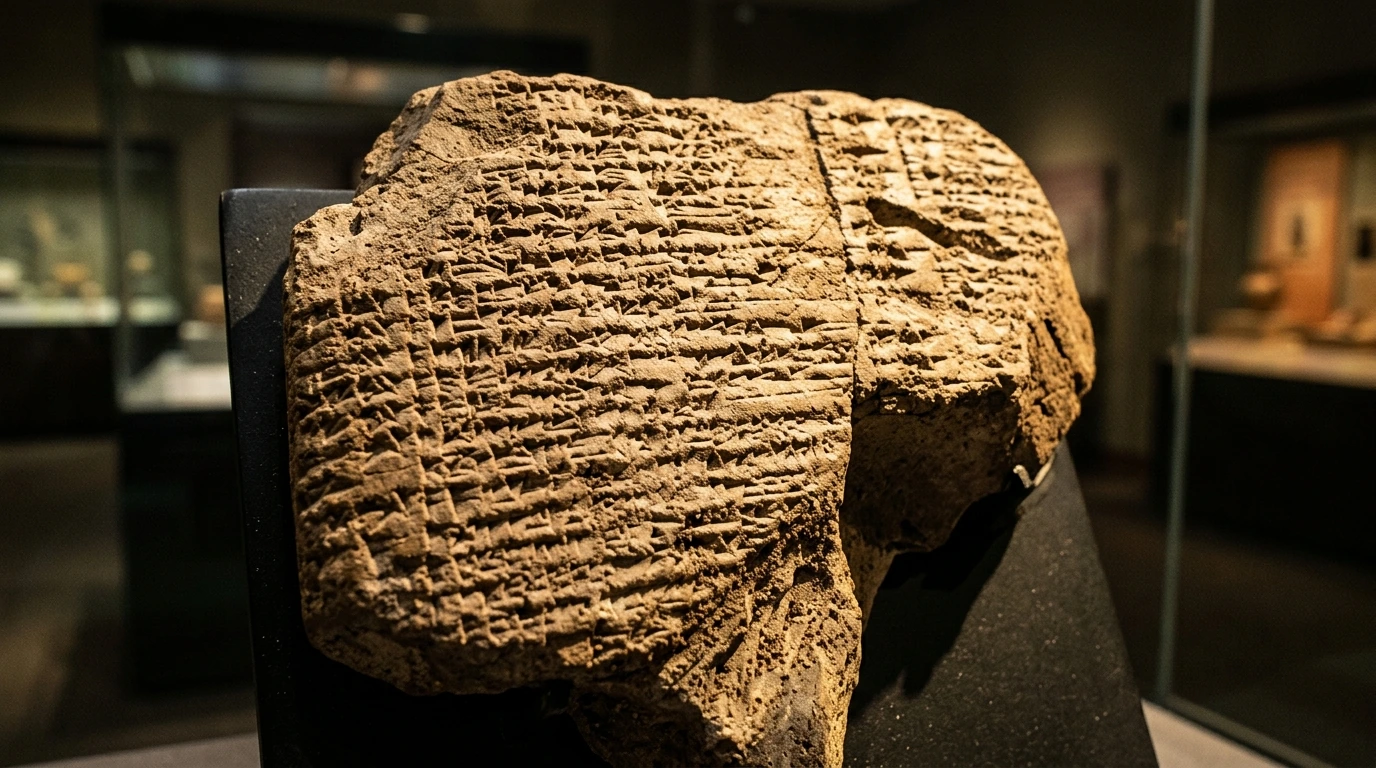
Preserved in the British Museum, the Babylonian Chronicle (BM 21946), covering the years 605–594 BC, provides a direct eyewitness account of Nebuchadnezzar II’s first capture of Jerusalem in 597 BC:
"In the seventh year, in the month of Kislev, the king of Akkad mustered his troops and marched into Hatti-land [Syria-Palestine].
He encamped against the city of Judah and on the second day of the month of Adar he captured the city and seized the king [Jehoiachin].
A king of his own choice [Zedekiah] he appointed in the city, took much tribute from it, and sent it to Babylon."
This cuneiform chronicle confirms:
- The exact day of Jerusalem's surrender: 2nd of Adar, 597 BC (March 15/16, 597 BC in the Gregorian calendar).
- The dethronement and deportation of Jehoiachin.
- The personal appointment of Zedekiah (Mattaniah) as a sworn tributary puppet monarch.
The Strategic Headquarters of Riblah on the Orontes
When Zedekiah rebelled in 589 BC, Nebuchadnezzar did not personally manage the daily siege works at Jerusalem. Instead, he established his supreme military and diplomatic command center at Riblah (modern Rableh in western Syria), situated in the broad fertile plain of the Orontes River valley.
Why Riblah?
- Strategic Hub: Riblah controlled the major crossroads connecting Mesopotamia, Egypt, Phoenicia, and the Mediterranean coast.
- Logistical Base: The wide plain provided immense foraging, pasture, and water for tens of thousands of Babylonian cavalry mounts and baggage camels.
- Diplomatic Court: From Riblah, Nebuchadnezzar simultaneously directed the siege of Jerusalem to the south and the protracted thirteen-year siege of Tyre to the west.
- Judicial Tribunal: It was the imperial courtroom where captured rebel vassals were brought for formal trial, sentencing, and execution.
The Jurisprudence of Treason: Breaking a Divine Oath
Modern readers often wonder why Nebuchadnezzar dealt so mercifully with King Jehoiachin in 597 BC (sparing his life and family), yet treated Zedekiah with merciless savagery in 586 BC.
The difference lay in ancient Near Eastern treaty jurisprudence:
- Jehoiachin surrendered peacefully after a brief siege, having inherited a rebellion started by his father Jehoiakim.
- Zedekiah, by contrast, had sworn a formal vassal treaty oath (adê) invoking the name of Yahweh God of Israel and Marduk of Babylon (2 Chronicles 36:13; Ezekiel 17:13–19).
In ancient legal doctrine, violating a sworn covenant was considered high treason against both the emperor and the gods invoked in the oath. Under the Code of Hammurabi and Neo-Babylonian royal law, treaty-breakers received maximum capital penalties: forfeiture of dynasty, bodily mutilation, and lifetime imprisonment.
Execution of the Royal Sons: Dynastic Eradication
At Riblah, Nebuchadnezzar ordered the public execution of all of Zedekiah’s sons in their father's presence (2 Kings 25:7; Jeremiah 39:6).
This was not random sadism; it was cold political calculation:
- Eradicating the Royal Lineage: By executing all direct male heirs of Zedekiah, Nebuchadnezzar ensured that no future Judean monarch could claim legitimate hereditary descent from the rebel king.
- Psychological Devastation: Forcing the father to watch his children die eliminated any lingering royal pride, breaking the monarch's psychological spirit prior to his mutilation.
Blinding as Imperial State Punishment in Mesopotamia
Immediately following the slaughter of his children, royal physicians or executioners blinded Zedekiah (wa-y'awwer).
In ancient Assyrian and Babylonian judicial practice, blinding (shulputu) was the standard punishment reserved for high-ranking traitors:
- Bas-reliefs from Khorsabad and Nimrud depict monarchs holding a lance tip to the eyes of bound captives.
- Blinding permanently disqualified a man from holding sovereign office or leading military forces, rendering him completely dependent on guards for the rest of his existence.
- Zedekiah spent his remaining days in a dark Babylonian cell, an incapacitated symbol of the folly of rebelling against the imperial decree of Babylon.
Frequently Asked Questions
Does secular archaeology mention Nebuchadnezzar appointing Zedekiah?
Yes. The Babylonian Chronicle (BM 21946) explicitly records Nebuchadnezzar capturing Jerusalem in 597 BC and appointing "a king of his own choice" (Zedekiah).
Where was Riblah located?
Riblah was located on the Orontes River in western Syria, serving as Nebuchadnezzar’s forward military headquarters.
Why was Zedekiah punished more severely than Jehoiachin?
Zedekiah personally broke a solemn vassal oath of loyalty sworn in the name of God, making him guilty of high treason and sacrilege under ancient Near Eastern law.
What was the legal purpose of blinding a captured king?
Blinding permanently disqualified a monarch from royal leadership, prevented future rebellions, and served as a terrifying public deterrent to other vassal states.
Related Research Dossiers
View all 120 articles →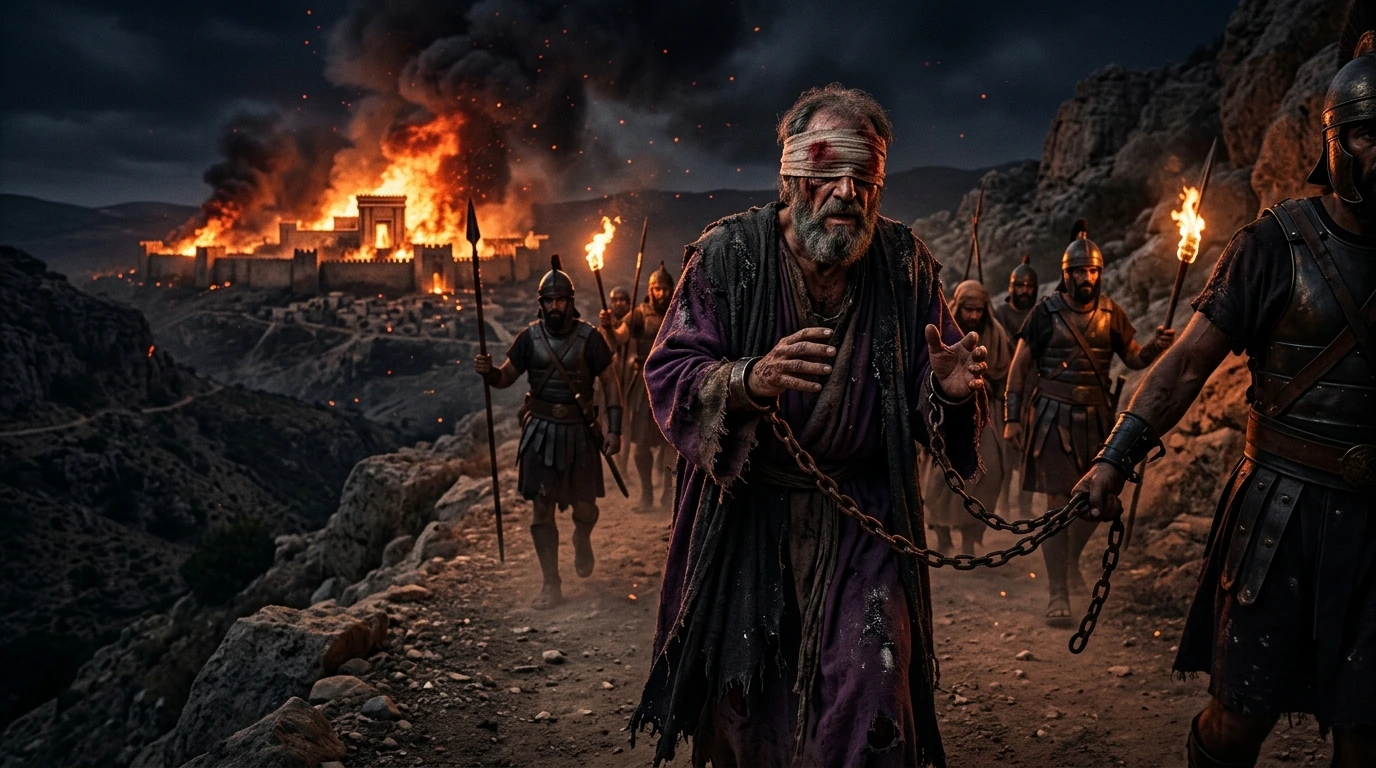
Archaeology of Zedekiah's Fall: The 586 BC Destruction Layer, Arrowheads, and Lachish Letters
King Jehoiachin in Babylon: 2 Kings 25, Evil-Merodach, and the Royal Prison Pardon