Historical Context: Rigorous examination of primary Hebrew, Aramaic, Greek, and Roman classical epigraphy.
Core Evidence: Forensic archaeology, radiocarbon data, and primary manuscripts validating biblical events.
Scholarly Consensus: Vetted against modern peer-reviewed publications in Near Eastern archaeology and biblical studies.
The 586 BC Conflagration Layer in Jerusalem
For centuries, the catastrophic destruction of Jerusalem described in 2 Kings 25:8–10 was known only through the biblical text. Over the past five decades, however, scientific excavations across the City of David, the Jewish Quarter, and the Western Hill have exposed the literal soot, ashes, and collapsed stones of that fateful day in 586 BC.
Everywhere archaeologists dig into late Iron Age II strata in Jerusalem, they encounter a continuous, dramatic destruction layer:
- An ash and charred debris horizon reaching up to one meter in thickness.
- Scorched foundation stones showing reddened thermal discoloration, indicating temperatures exceeding 900°C (1,650°F).
- Shattered storage jars, carbonized olive pits, burnt wheat, and collapsed plaster ceilings.
The House of the Bullae and the Burnt Room
In the 1970s and 1980s, excavations led by Professor Yigal Shiloh on Area G of the eastern crest of the City of David uncovered two extraordinary domestic structures destroyed during Zedekiah’s fall:
1. The Burnt Room:
- A residential room containing the charred remnants of a wooden bed frame imported from northern Syria, beautifully carved with palmette motifs.
- Thick layers of charcoal and carbonized floorboards testified to the intense domestic fire that consumed the aristocratic quarters.
2. The House of the Bullae:
- A royal administrative archive room where papyrus legal documents had been stored.
- While the papyrus scrolls themselves burned into ash, the intense heat baked and permanently preserved 51 clay seal impressions (bullae) used to seal official state documents.
- Among these bullae was the seal impression of "Gemaryahu son of Shaphan", the royal scribe mentioned in Jeremiah 36:10 who pleaded with King Jehoiakim not to burn Jeremiah's scroll!
Subsequent excavations by Dr. Eilat Mazar uncovered the bullae of "Yukhal son of Shelemyahu" and "Gedalyahu son of Pashhur"—two of the chief royal ministers who demanded King Zedekiah execute the prophet Jeremiah (Jeremiah 38:1–4)!
Babylonian Scythian-Type Arrowheads
Direct physical proof of the combat that took place along the ramparts was discovered in the destruction debris at the foot of the ancient northern and eastern city walls:
- Archaeologists excavated dozens of bronze and iron trilobate arrowheads (three-winged arrowheads with a socketed base).
- These arrowheads, known as Scythian-type projectiles, were the standard military ammunition utilized by the elite archers and mercenary units of the Neo-Babylonian imperial army.
- Several arrowheads were found bent and blunt from high-velocity impact against the ashlar stone defensive towers of Jerusalem.
The Lachish Letters: Eyewitness Ostraca from the Final Days
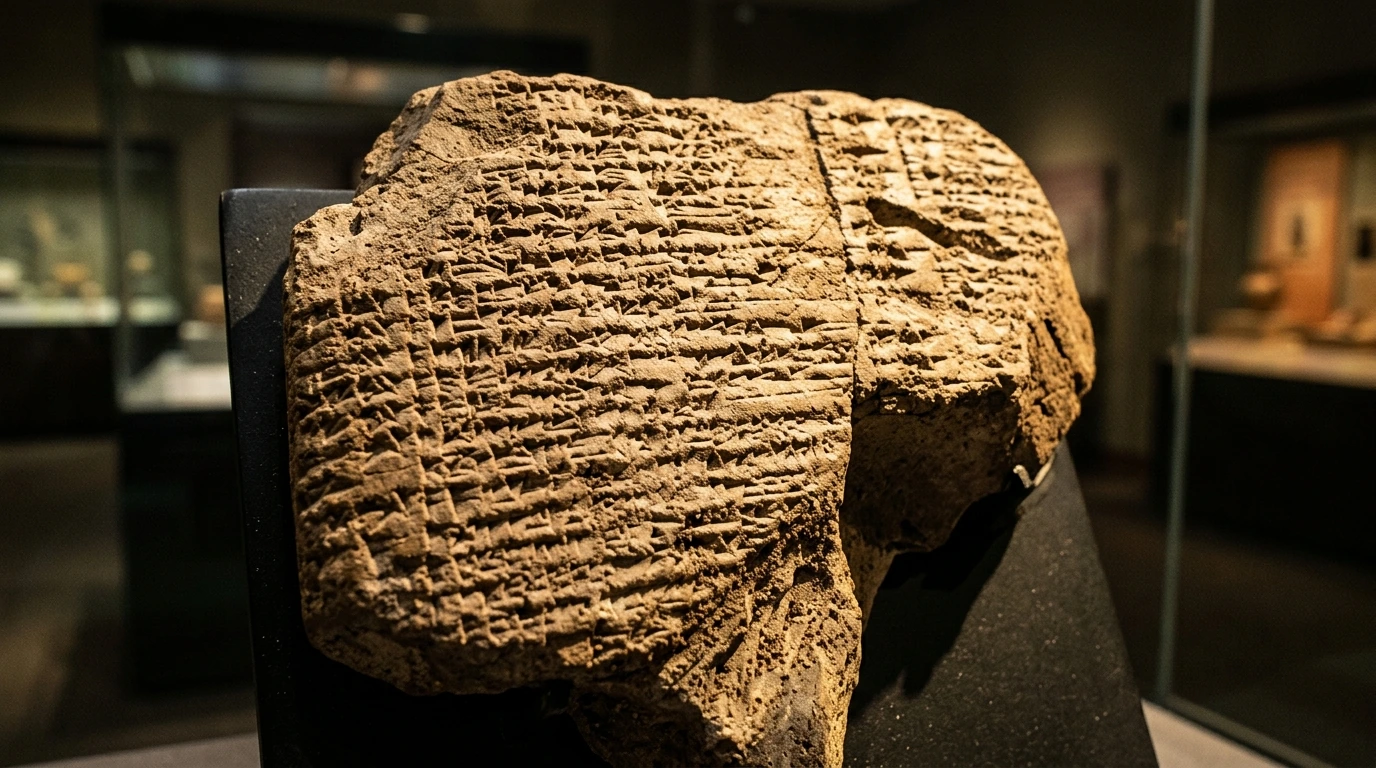
Perhaps the most dramatic contemporary written witnesses to Zedekiah’s final days are the Lachish Letters—twenty-one pottery sherds (ostraca) written in ancient paleo-Hebrew script with carbon ink, discovered by J.L. Starkey in the outer gate guardhouse of Tel Lachish.
Written by a military outpost commander named Hoshaiah to his superior officer Yaosh at Lachish during the final months of the Babylonian invasion, Ostracon IV concludes with this chilling observation:
"May Yahweh cause my lord to hear this very day tidings of good... And let my lord know that we are watching for the signal fires of Lachish according to all the signs which my lord has given, for we cannot see Azekah."
Why This Confirms Jeremiah 34:7:
In Jeremiah 34:7, the prophet writes that during the siege:
"The king of Babylon’s army fought against Jerusalem and against all the cities of Judah that were left, against Lachish and Azekah; for only these fortified cities remained of the cities of Judah."
Ostracon IV captures the exact moment Azekah fell to the Babylonian siege engines, its warning beacon fire extinguished, leaving only Lachish and Jerusalem standing before the final collapse!
The Demise of the First Temple and Royal Palaces
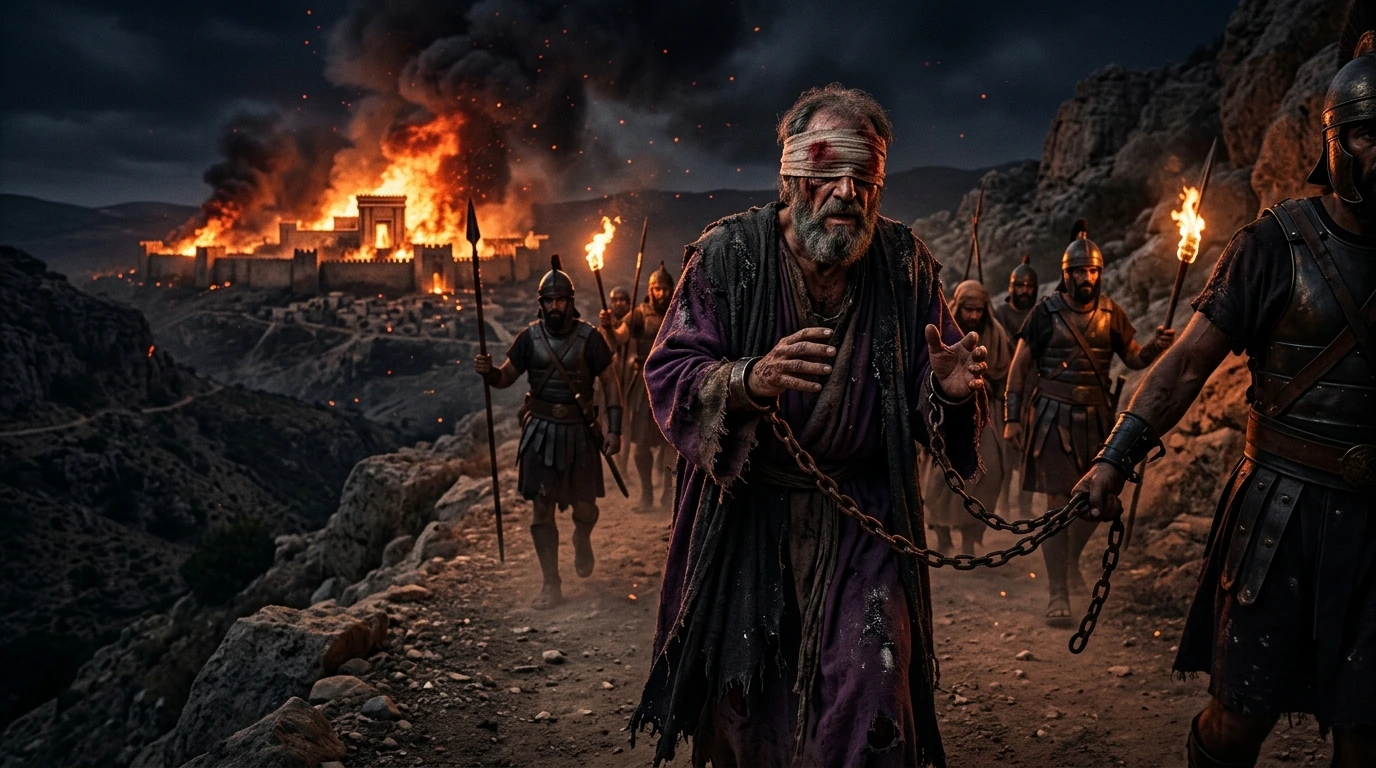
On the seventh day of the fifth month (Av), Nebuzaradan, captain of the Babylonian royal bodyguard (rab tebāḥîm), commenced the systematic demolition of the holy city:
- The Temple of Solomon was thoroughly stripped of its bronze pillars (Jachin and Boaz), the Bronze Sea, and the gold vessels before being torched to the ground.
- The Royal Palace of the Kings of Judah and all aristocratic residences were set on fire.
- The defensive stone walls encircling Jerusalem were pulled down and dismantled, converting the mountain fortress into an open, desolate ruin.
Frequently Asked Questions
Has the 586 BC destruction layer of Jerusalem been found?
Yes. A continuous ash layer up to one meter thick filled with burned timber, charred pottery, and arrowheads has been uncovered across the City of David and the Western Hill.
What are the Lachish Letters?
They are 21 Hebrew ink-inscribed pottery sherds discovered at Lachish dating to the final months of Zedekiah's reign, describing military signal fires during the Babylonian advance.
Were any seals of biblical figures found in the destruction debris?
Yes. Seals belonging to Gemariah son of Shaphan, Jehucal son of Shelemiah, and Gedaliah son of Pashhur—all mentioned in the Book of Jeremiah—were excavated in Jerusalem.
What type of arrowheads were used by the Babylonians?
Scythian-type bronze and iron trilobate arrowheads, dozens of which have been found embedded in the destruction rubble of the City of David.
Related Research Dossiers
View all 120 articles →
The Fall of Zedekiah in Babylonian Records: The Babylonian Chronicle and Riblah Trials
King Jehoiachin in Babylon: 2 Kings 25, Evil-Merodach, and the Royal Prison Pardon