Historical Context: Rigorous examination of primary Hebrew, Aramaic, Greek, and Roman classical epigraphy.
Core Evidence: Forensic archaeology, radiocarbon data, and primary manuscripts validating biblical events.
Scholarly Consensus: Vetted against modern peer-reviewed publications in Near Eastern archaeology and biblical studies.
The Excavation of the Southern Citadel of Babylon
Between 1899 and 1917, German archaeologist Robert Koldewey, working on behalf of the Deutsche Orient-Gesellschaft, conducted systematic excavations at the legendary ruins of Babylon in modern Iraq.
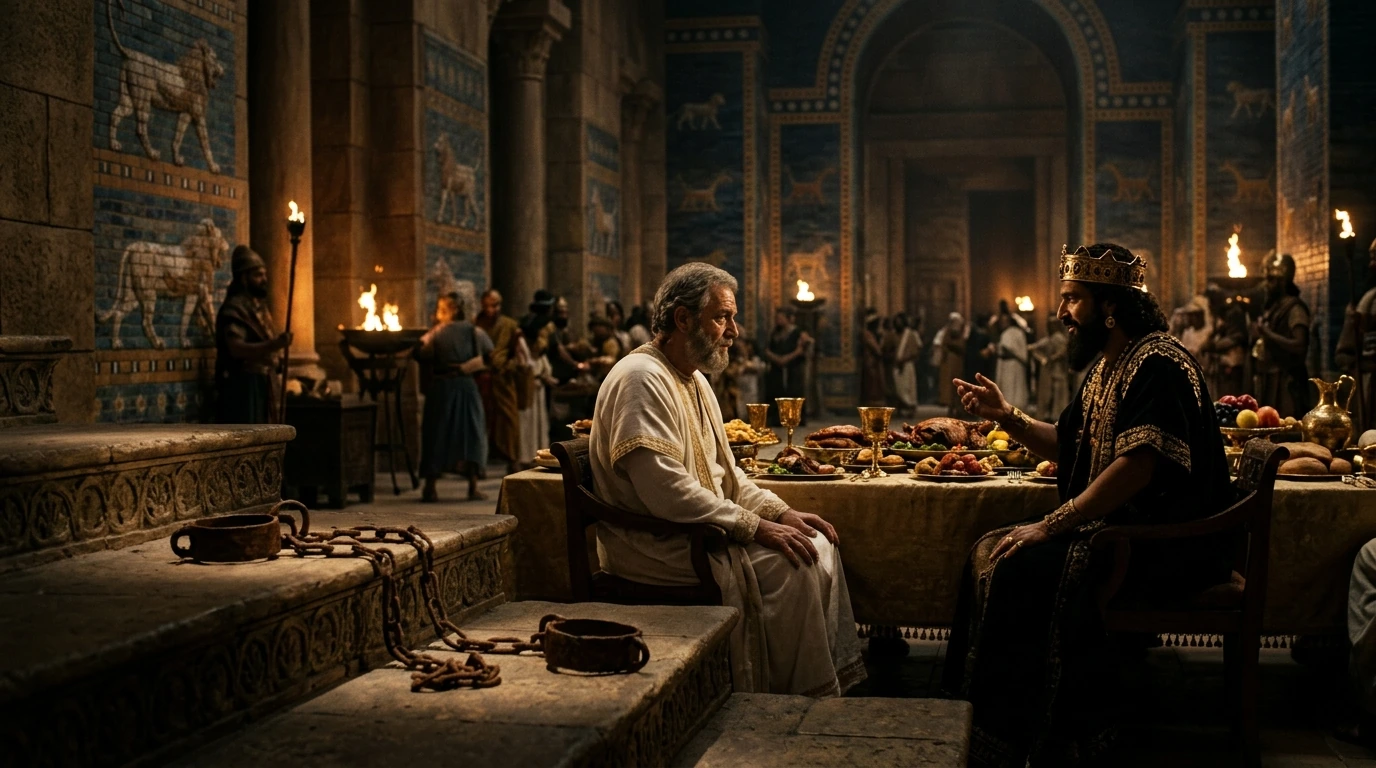
Koldewey unearthed the majestic Processional Way, the glazed brick facade of the Ishtar Gate, and the monumental Southern Citadel of Nebuchadnezzar II.
In the northeast quadrant of the South Palace, adjacent to the Ishtar Gate, Koldewey’s team excavated a subterranean complex featuring fourteen barrel-vaulted cellars flanked by thick masonry walls—a structure initially romanticized by early visitors as the foundations of the legendary Hanging Gardens of Babylon, but later identified as an imperial storage vault and administrative archive depot.
The Discovery of the Barrel Vault Administrative Archives
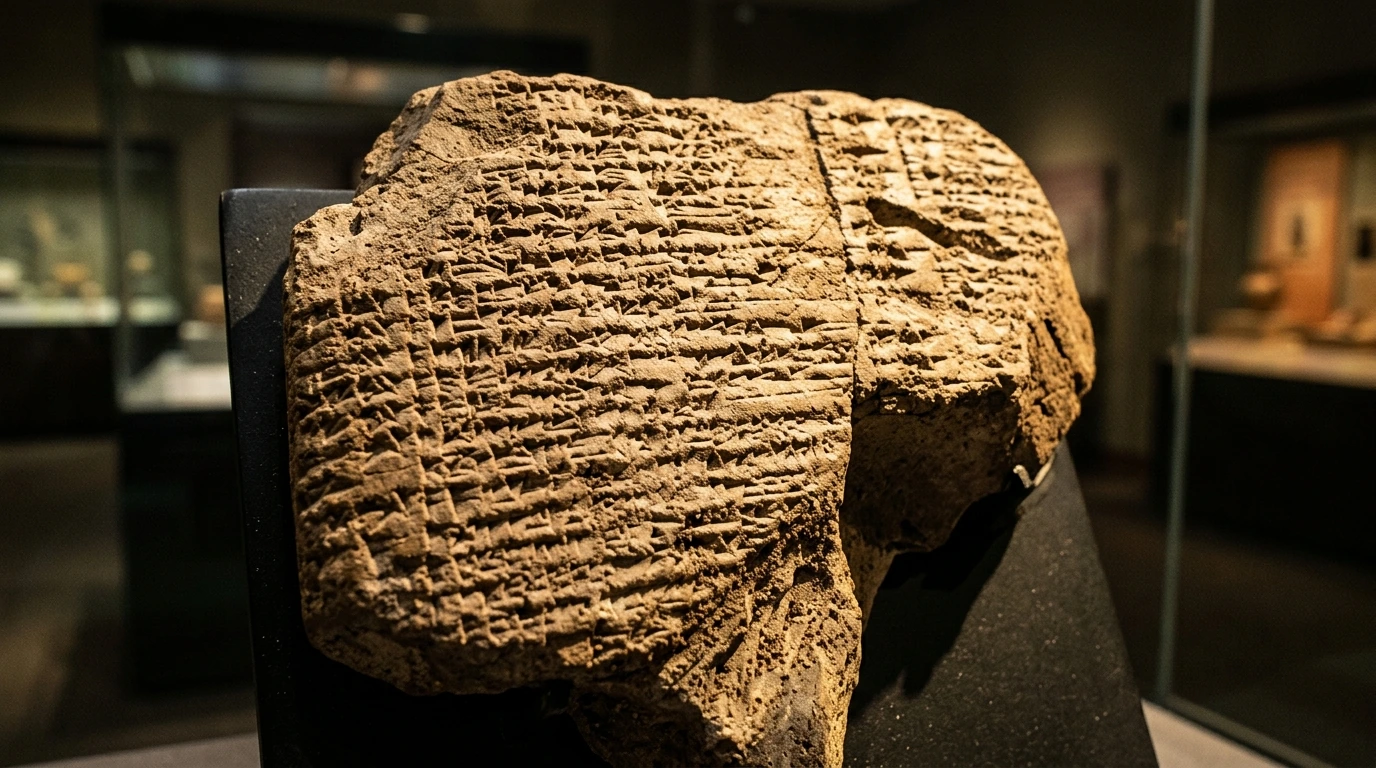
Inside these vaulted cellars, excavators uncovered approximately 300 cuneiform clay tablets written in Neo-Babylonian Akkadian, dating between 595 and 569 BC (the tenth to the thirty-fifth year of Nebuchadnezzar II).
These tablets were not religious myths or poetic epics; they were mundane, meticulous bureaucratic accounting receipts recording distributions of sesame oil, barley, and wine from the royal commissary to:
- Foreign craftsmen, shipbuilders, and carpenters employed by the palace.
- Political hostages and exiled foreign royalties residing in Babylon from Tyre, Sidon, Arvad, Ascalon, Elam, and Lydia.
The tablets were packed in crates and shipped to the Vorderasiatisches Museum in Berlin, where they awaited scholarly decipherment.
Decipherment: "Ya’u-kīnu, King of Judah"
In the 1930s, the renowned German assyriologist Ernst F. Weidner began cataloging and transcribing the cuneiform tablets from the South Palace vaults.
In 1939, Weidner published a landmark paper titled "Jojachin, König von Juda, in babylonischen Keilschrifttexten" ("Jehoiachin, King of Judah, in Babylonian Cuneiform Texts").
On four distinct administrative tablets, Weidner identified the cuneiform signs spelling the unmistakable name and royal title of the biblical king:
"Ia-'-ú-ki-nu shar mat Ya-hu-du"
(Ya'u-kīnu, king of the land of Judah)
Variations of the name across the tablets include:
- Ia-ku-ú-ki-nu
- Ia-'-kīnu
- Corresponding precisely to the Hebrew Yəhôyākîn (Jehoiachin) or Yôyākîn!
The Oil Rations: Analysis of Tablet Babylon 28122
The most famous of these documents is Tablet Babylon 28122 (dating to the thirteenth year of Nebuchadnezzar II, c. 592 BC, five years after Jehoiachin’s capture):
Transliteration and Translation of Key Lines:
"10 sila [approx. 8 liters] of oil to Ya’u-kīnu, king of the land of Judah;
2.5 sila of oil to the five sons of the king of Judah;
4 sila of oil to eight men from the land of Judah."
Critical Historical Details:
- The Royal Title Preserved: Although a captive in Babylon, the Babylonian imperial chancellery officially addressed Jehoiachin as "King of the Land of Judah" (shar mat Ya-hu-du), never acknowledging Zedekiah as the legitimate monarch.
- His Five Sons: 1 Chronicles 3:17–18 records that Jehoiachin fathered sons in captivity (Shealtiel, Malchiram, Pedaiah, Shenazzar, and Jekamiah). The ration tablet corroborates that by 592 BC, five royal princes were already receiving daily provisions.
- Generous Allowance: An allocation of 10 sila of fine sesame oil was an extraordinarily high quantity for an individual, far exceeding standard slave rations and indicating a generous stipend appropriate for royal maintenance and ceremonial use.
Secular Corroboration of 2 Kings 25:30
The discovery of the Jehoiachin Ration Tablets represents one of the most stunning archaeological vindications of the Old Testament historical record:
| Biblical Text (2 Kings 25:30) | Cuneiform Archaeological Tablet |
|---|---|
| "And as for his allowance, there was a regular daily allowance given him by the king..." | "10 sila of oil to Ya'u-kīnu, king of the land of Judah..." |
| "A portion for each day, all the days of his life." | Monthly bookkeeping ledger recording continuous allotments from the royal stores. |
| King of Judah in exile in Babylon. | Ia-'-ú-kinu shar mat Ya-hu-du residing at the palace complex in Babylon. |
These clay tablets prove beyond doubt that the final chapter of 2 Kings was not a late pious fabrication, but an accurate historical chronicle grounded in authentic eyewitness court records.
Frequently Asked Questions
Where were the Jehoiachin Ration Tablets discovered?
In the barrel-vaulted subterranean cellars of the Southern Palace near the Ishtar Gate in Babylon, excavated by Robert Koldewey.
What do the tablets record?
They record distributions of sesame oil, barley, and food provisions to King Jehoiachin of Judah, his five sons, and other Judean officials living in Babylon.
How is Jehoiachin’s name spelled in cuneiform?
It is written in Akkadian cuneiform as "Ia-'-ú-ki-nu, shar mat Ya-hu-du" (Ya'u-kīnu, king of the land of Judah).
Where are the tablets located today?
They are preserved in the Vorderasiatisches Museum inside the Pergamon Museum complex in Berlin, Germany.
Related Research Dossiers
View all 120 articles →
The Fall of Zedekiah in Babylonian Records: The Babylonian Chronicle and Riblah Trials
Archaeology of Zedekiah's Fall: The 586 BC Destruction Layer, Arrowheads, and Lachish Letters