Historical Context: Rigorous examination of primary Hebrew, Aramaic, Greek, and Roman classical epigraphy.
Core Evidence: Forensic archaeology, radiocarbon data, and primary manuscripts validating biblical events.
Scholarly Consensus: Vetted against modern peer-reviewed publications in Near Eastern archaeology and biblical studies.
The Eliakim Steward of Yaukin Seals
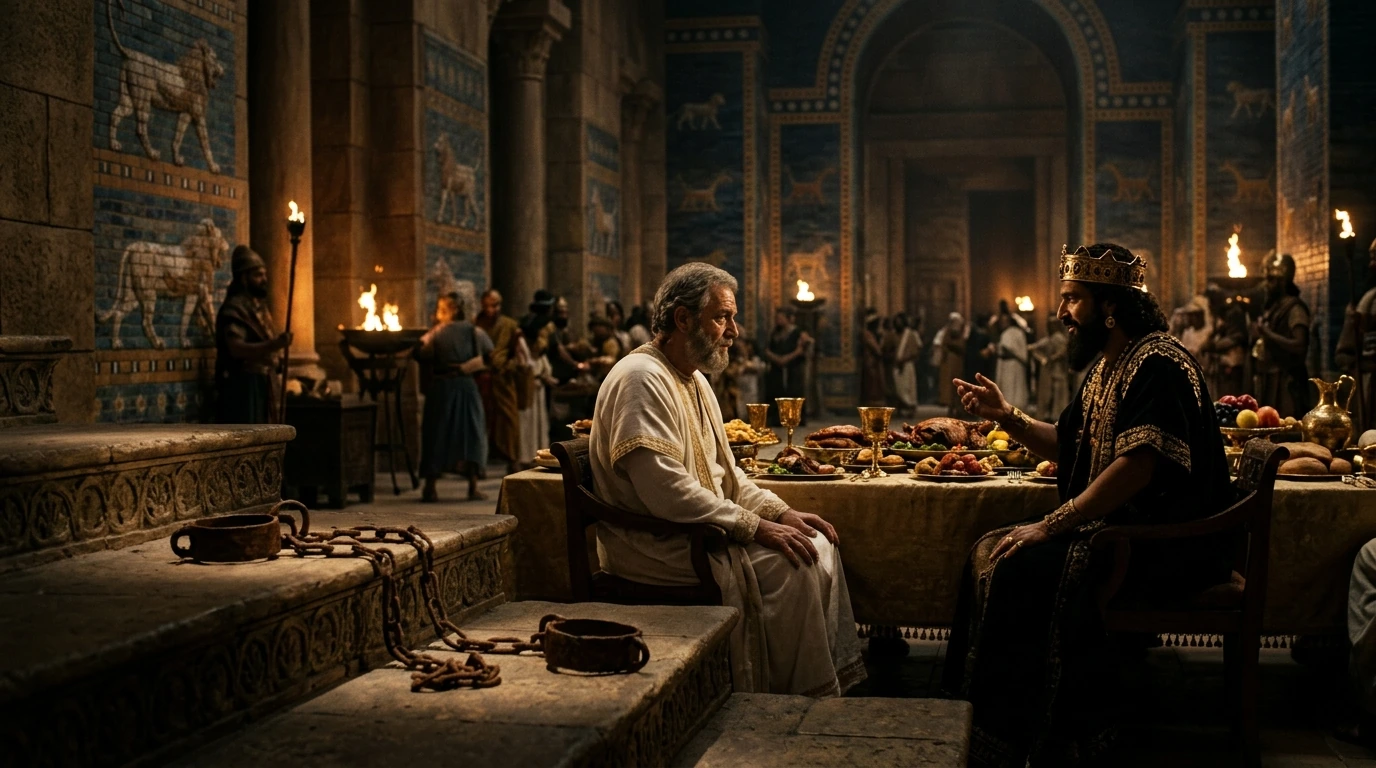
One of the most fascinating epigraphic discoveries in Judean archaeology links the captive King Jehoiachin in Babylon directly to royal administration in the homeland.
During excavations at Tell Beit Mirsim, Beth-Shemesh, and Ramat Rahel, archaeologists uncovered several identical ceramic jar handle stamp impressions carved in paleo-Hebrew script:
לאליקם נער יוכן
(L'lyqm n'r ywkn)
"Belonging to Eliakim, steward [servant] of Yaukin"
Significance of the Inscription:
- Yaukin (Ywkn): The exact abbreviated Hebrew form of the name Jehoiachin.
- Steward (Na'ar): In biblical Hebrew and ancient Near Eastern epigraphy, na'ar was an official administrative title denoting a royal estate manager or high steward managing property belonging to a crown prince or absent king.
- Crown Property Preservation: These seal impressions prove that even after Jehoiachin was deported to Babylon in 597 BC, his personal royal estates in the Judean foothills continued to be operated by his loyal steward Eliakim, who gathered taxes and managed olive and wine production under his name!
The Itinerary of the 597 BC Deportation
When Nebuchadnezzar marched Jehoiachin and 10,000 Judeans into exile in 597 BC, the convoy did not travel across the impassable Arabian Desert. They followed the ancient commercial artery of the Fertile Crescent:
- Jerusalem northward through the Bekaa Valley: Passing Riblah and Hamath in Syria.
- Eastward along the Euphrates River: Traversing Carchemish and Mari down into the Mesopotamian plain.
- Arrival in Babylon: A grueling trek covering approximately 900 miles (1,450 km) that took between three and four months to complete on foot.
The Al-Yahudu ("Judahtown") Cuneiform Archives
While King Jehoiachin and his family were quartered in the royal palace precinct of Babylon, where did the ordinary Judean exiles live?
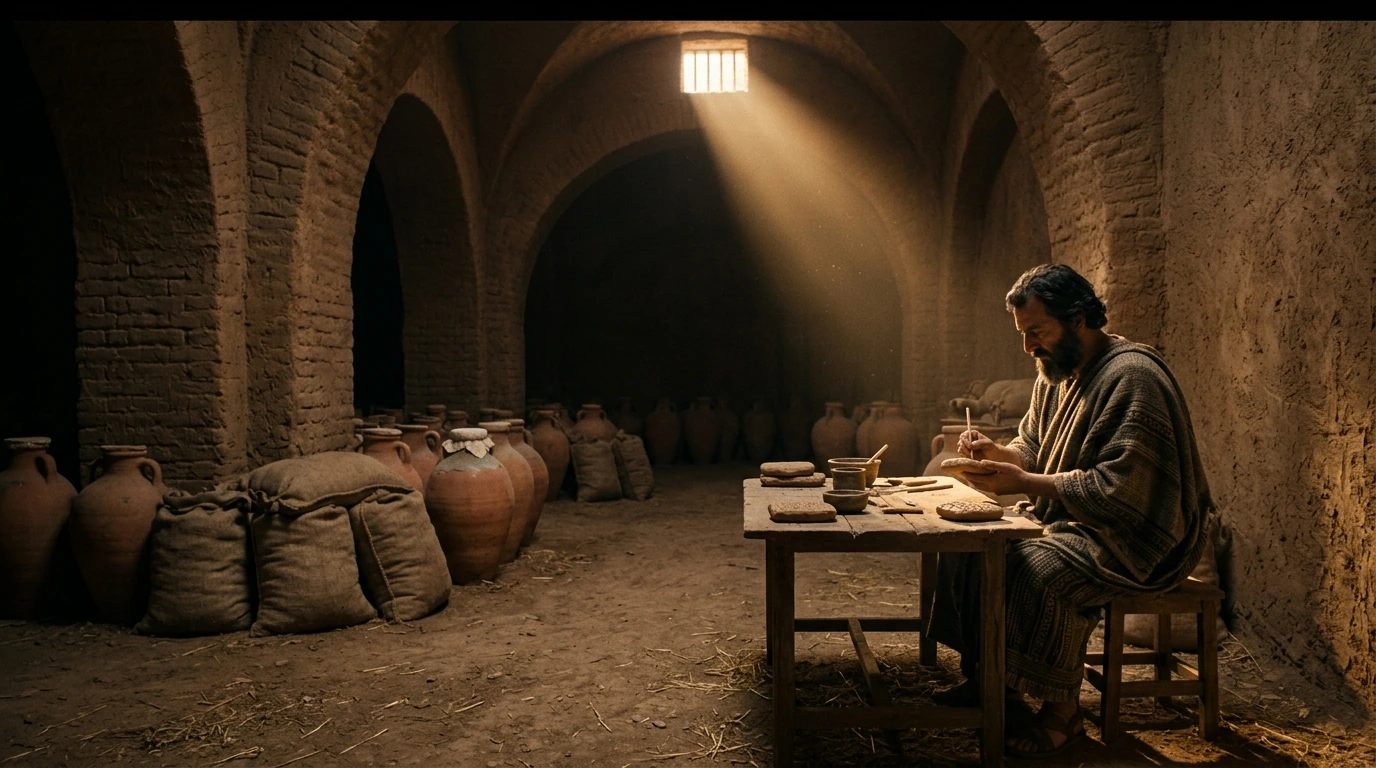
In the early 2000s, scholars began publishing over 200 clay cuneiform tablets dating from 572 to 477 BC, discovered in southern Iraq. These tablets originate from a settlement specifically named:
"Al-Yahudu" (literally: "The Town of the Jews" / "Judahtown")
Situated near the ancient city of Nippur along the Chebar Canal (Naru Kabari - mentioned in Ezekiel 1:1), these documents shed unprecedented light on everyday Judean life during the Babylonian Exile:
- Legal contracts for land leases, dates, grain, and beer brewing.
- Promissory notes and marriage certificates.
- Dozens of individuals bearing theophoric Hebrew names compounded with Yah (such as Ahiqam, Berechiah, Gedaliah, Yahu-az), proving that the exiles maintained their religious identity and Yahwistic faith across multiple generations.
Living Standards of the Exilic Community
The Al-Yahudu texts and biblical books (Jeremiah 29) debunk the popular misconception that the Judean exiles lived in brutal chain gangs.
As the prophet Jeremiah advised in his famous letter to the exiles (Jeremiah 29:5–7):
"Build houses and dwell in them; plant gardens and eat their fruit... seek the peace of the city where I have caused you to be carried away captive."
The exiles were royal agricultural tenants and entrepreneurs:
- They owned private land, houses, and cattle.
- They engaged in high-level trade and banking (as evidenced by the archives of the Judean-Babylonian trading house of Murashu).
- Many attained prominent governmental positions within the imperial administration (such as Daniel, Nehemiah, and Mordecai).
From Babylon to Zerubbabel: The Return to Zion
The preservation of Jehoiachin’s family in Babylon culminated in the historic fulfillment of the Return from Exile.
When Cyrus the Great of Persia conquered Babylon in 539 BC, he issued his famous edict of restoration (Ezra 1:1–4). Appointed to lead the first wave of 42,000 returning Jewish exiles to rebuild the altar and Temple in Jerusalem was:
Zerubbabel son of Shealtiel, the direct grandson of King Jehoiachin!
The royal line of David had survived the furnace of Babylon, bridging the prophetic gap between the destruction of the First Temple and the dawn of the Second Temple era.
Frequently Asked Questions
What do the "Eliakim steward of Yaukin" jar handles prove?
They prove that King Jehoiachin owned royal estates in Judah that continued to be managed under his name by his chief steward Eliakim even after his deportation to Babylon.
Where was Al-Yahudu located?
Al-Yahudu ("Judahtown") was a rural settlement in southern Mesopotamia along the Chebar Canal near Nippur where ordinary Judean exiles lived and farmed.
Did the exiles maintain their Hebrew identity in Babylon?
Yes. The Al-Yahudu cuneiform contracts reveal hundreds of individuals with Hebrew names honoring Yahweh (ending in -yah or -yahu).
Who was Zerubbabel in relation to Jehoiachin?
Zerubbabel was the grandson of King Jehoiachin, who returned to Jerusalem under Persian decree to rebuild the Second Temple.
Related Research Dossiers
View all 120 articles →
The Fall of Zedekiah in Babylonian Records: The Babylonian Chronicle and Riblah Trials

Archaeology of Zedekiah's Fall: The 586 BC Destruction Layer, Arrowheads, and Lachish Letters