What kind of wick was used in Herodian oil lamps?
Wicks were spun from linen or flax fibers (pishtah), often recycled from old garments, producing a clean, bright, smoke-free flame.
Ancient patristic witnesses, Second Temple manuscripts, and classical annals.
Stratigraphic digs, monumental epigraphy, and artifact forensics in the Levant.
Distinguishing canonical Scripture text from historical patristic traditions.
Subject Scope: Herodian Oil Lamps of the First Century: Archaeology, Purity Laws, and the Parable of the Ten Virgins (Matthew 25)
Historical Context: Ancient Near Eastern stratigraphy, Levant archaeological surveys, and Semitic epigraphy.
Primary Evidence: Monumental stelae, bullae seals, ceramic typology, and calibrated AMS radiocarbon determinations.
Investigation Highlights: The Parable of the Ten Virgins: Matthew 25:1–13 • The Typology of the Herodian Oil Lamp (Type 1) • Ritual Purity (Taharah) and Knife-Pared Plain Design
Scholarly Consensus: Aligned with published excavation reports from leading Near Eastern archaeological institutes.
The Parable of the Ten Virgins: Matthew 25:1–13
In the Olivet Discourse, Jesus delivers the Parable of the Ten Virgins (Matthew 25:1–13) to prepare His disciples for His delayed return:
"Then the kingdom of heaven will be like ten virgins who took their lamps and went to meet the bridegroom. Five of them were foolish, and five were wise. For when the foolish took their lamps, they took no oil with them, but the wise took flasks of oil with their lamps. As the bridegroom was delayed, they all became drowsy and slept. But at midnight there was a cry, 'Here is the bridegroom! Come out to meet him.' Then all those virgins rose and trimmed their lamps. And the foolish said to the wise, 'Give us some of your oil, for our lamps are going out.' But the wise answered, saying, 'Since there will not be enough for us and for you, go rather to the dealers and buy for yourselves.'" — Matthew 25:1–9
This parable is filled with authentic 1st-century Near Eastern domestic technology and wedding customs.
To understand why the lamps went out and why the wise virgins could not share their oil, one must investigate the physical reality of the ceramic artifact unearthed by thousands across Judea: the Herodian Oil Lamp.
+----------------------------------------------------------------------------------------------------+
|               THE ANATOMY OF A 1ST-CENTURY HERODIAN TERRACOTTA OIL LAMP                            |
+----------------------------------------------------------------------------------------------------+
|                                                                                                    |
|            [ CENTRAL FILLING HOLE ] (For pouring pure olive oil)                                  |
|                      |                                                                             |
|                      v                                                                             |
|            ( ( ( RESERVOIR ) ) )   <--- Holds 20 to 30 ml of oil (burns ~3.5 to 5 hours)          |
|                      |                                                                             |
|                      v                                                                             |
|            [ KNIFE-PARED SPLAYED NOZZLE ] ===> [ BURNING LINEN WICK ]                              |
|                                                                                                    |
+----------------------------------------------------------------------------------------------------+
The Typology of the Herodian Oil Lamp (Type 1)
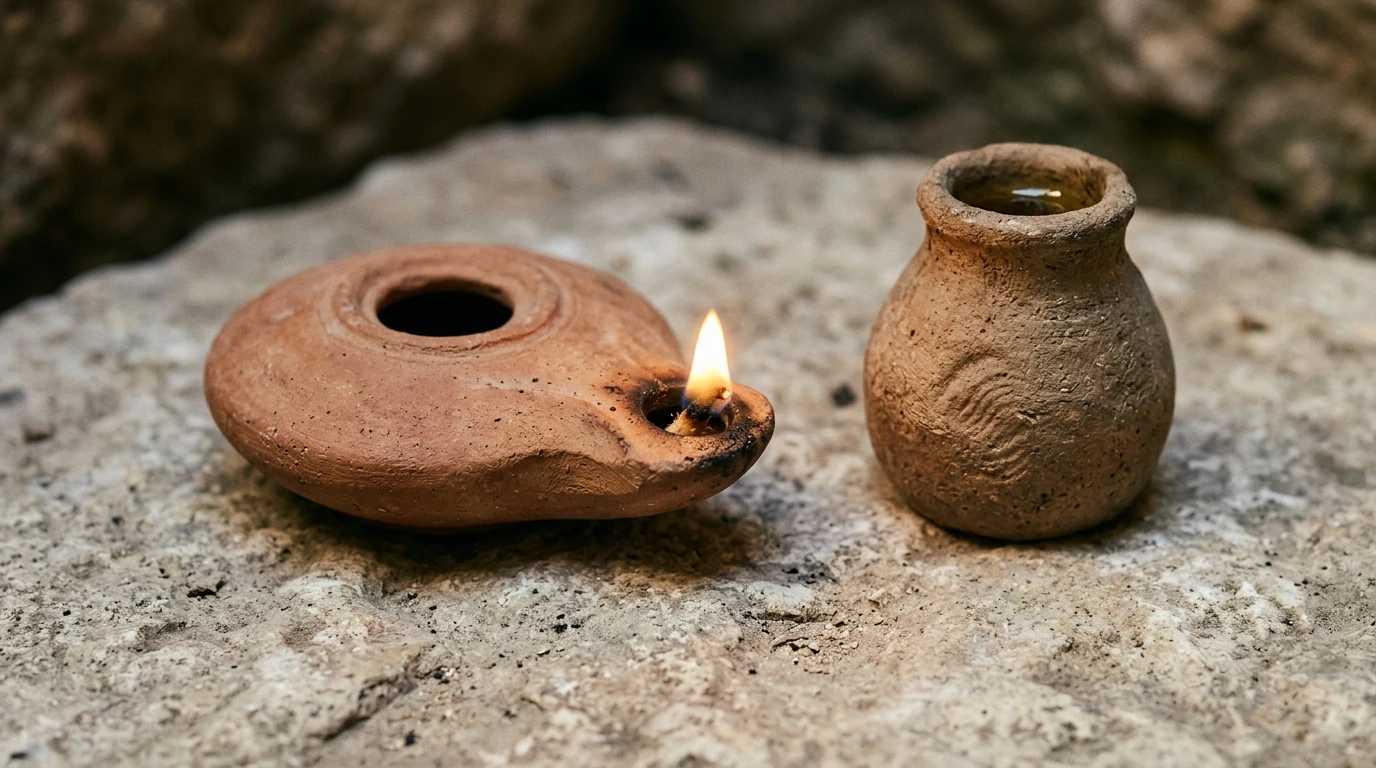
In biblical archaeology and ceramic typology (classified by Paul Lapp, Varda Sussman, and Rachel Barkay), the definitive lamp of the New Testament era is designated as the Herodian Lamp (or Wheel-Made Splay-Nozzled Lamp, Type 1):
- Chronological Span: Produced from roughly 50 BC to AD 70 (the fall of Jerusalem).
- Fabrication Technique: The circular body was thrown on a potter's wheel from fine, levigated buff-red clay. The separate bow-shaped nozzle was hand-formed, attached to the body, and subsequently shaved with a sharp knife (producing distinct "knife-pared" flat facets on the sides of the nozzle).
- Dimensions: Measuring approximately 7.5 to 9.0 centimeters in length, 5.5 to 6.5 centimeters in width, and 2.5 to 3.0 centimeters in height, fitting comfortably in the palm of an adult hand.
- The Wick Hole: A circular aperture in the protruding nozzle held a braided wick made of flax or linen (pishtah).
+----------------------------------------------------------------------------------------------------+
|               CERAMIC SPECIFICATIONS: HERODIAN WHEEL-MADE OIL LAMP                                 |
+--------------------------+-----------------------+-------------------+-----------------------------+
| ATTRIBUTE                | SPECIFICATION         | MATERIAL COMPONENT| FUNCTION IN MATTHEW 25      |
+--------------------------+-----------------------+-------------------+-----------------------------+
| 1. Body                  | Wheel-Made Round Basin| Fine Buff Clay    | Main fuel storage reservoir |
| 2. Nozzle                | Hand-attached, knife- | Splayed Spout     | Holds and stabilizes wick   |
|                          | pared flat facets     |                   |                             |
| 3. Filling Hole          | Central Aperture      | Sunken rim        | Fuel intake from flasks     |
| 4. Base                  | Flat or string-cut    | Unfooted disc     | Stable resting on tables    |
+--------------------------+-----------------------+-------------------+-----------------------------+
Ritual Purity (Taharah) and Knife-Pared Plain Design
Why did 1st-century Jewish families in Judea and Galilee overwhelmingly prefer this specific lamp over opulent Roman mold-made lamps?
- The Roman Competitor: Contemporary Roman imperial lamps were produced in two-part plaster molds, heavily decorated with relief images of pagan deities (Jupiter, Minerva), gladiators, erotic scenes, and mythological beasts.
- The Jewish Purity Law (Taharah): The Second Commandment prohibited graven images. Furthermore, rabbinic purity halakhah (Mishnah, Kelim 2:1–3:1) held that mold-made pottery with ornate cavities could easily harbor ritual impurity (tum'ah).
- The Aniconic Wheel-Made Lamp: The Herodian lamp was thrown on a clean wheel, devoid of all human or animal figures. Decoration was restricted to simple incised geometric designs (concentric circles, tiny rosettes, or palm branch motifs) around the filling hole.
The Herodian lamp was the physical emblem of Jewish religious purity, ensuring that lighting the home on the Sabbath or during a wedding celebration did not defile the household with pagan contamination.
Experimental Archaeology: Burn-Time and Olive Oil Capacity
Modern experimental archaeology conducted with authentic replica Herodian lamps using organic cold-pressed olive oil (shemen zayit) and linen wicks provides exact quantitative data:
- Reservoir Fuel Capacity: A standard Herodian lamp holds between 20 and 30 milliliters (approximately 0.7 to 1.0 fluid ounces) of oil without overflowing.
- Fuel Consumption Rate: Under calm indoor conditions, a linen wick consumes approximately 5 to 6 milliliters of olive oil per hour.
- Total Continuous Burn Time: A fully topped-off lamp burns brightly for approximately 3.5 to 5 hours before the oil level drops below the wick, causing the flame to smoke, sputter, and extinguish.
+----------------------------------------------------------------------------------------------------+
|               BURN-TIME TIMELINE IN THE PARABLE OF THE TEN VIRGINS                                 |
+----------------------------------------------------------------------------------------------------+
|                                                                                                    |
|    [ 6:00 PM ] Sunset / Twilight ---> Lamps filled and lit (Reservoir at 100%)                      |
|                                                                                                    |
|    [ 9:00 PM ] First Watch Passes ---> Oil level at 40%; virgins begin to sleep                     |
|                                                                                                    |
|    [ 12:00 AM ] MIDNIGHT CRY! ---> Fuel exhausted (0%); wicks smoking and dying                     |
|                                                                                                    |
|    [ FOOLISH VIRGINS ] ---> No reserve oil; lamps go out completely!                               |
|                                                                                                    |
|    [ WISE VIRGINS ] ---> Refill lamps from separate ceramic flasks (*angeia*)                       |
|                                                                                                    |
+----------------------------------------------------------------------------------------------------+
This forensic burn-time test perfectly unlocks the parable:
- If the maidens lit their lamps at twilight (ca. 6:00 PM), by midnight (12:00 AM)—six hours later—every single lamp was mathematically guaranteed to run out of oil!
- The foolish virgins were not foolish because they fell asleep (all ten slept, Matthew 25:5).
- They were foolish because they failed to bring additional flasks of reserve oil (angeia, Matthew 25:4).
The Midnight Wedding Procession and the Extra Oil Flasks
In ancient Near Eastern matrimonial customs:
- The Bridegroom's Procession: The groom, accompanied by his groomsmen, processed through the village streets at night to the bride’s parental home to escort her in a joyful torchlit procession to his family’s banquet hall.
- The Role of the Virgins: Maidens (friends of the bride) waited along the road to join the festive procession, illuminating the dark, unpaved village lanes with their lamps.
- The Ceramic Oil Flask (Angeion): Excavations at Jerusalem and Capernaum have unearthed small, piriform ceramic oil jugs (juglets or amphoriskoi) that held 100 to 200 ml of spare olive oil.
When the cry sounded at midnight, the wise virgins uncorked their flasks, trimmed the charred ash from their wicks (ekosmesan tas lampadas auton, Matthew 25:7), and refilled the reservoirs. The foolish virgins’ wicks were smoldering and smoking (sbennuntai, "our lamps are being snuffed out").
The wise virgins’ refusal to share was not cruelty; it was practical necessity. Splitting 25 milliliters of oil across ten lamps would cause all ten to extinguish within fifteen minutes, plunging the entire wedding procession into pitch darkness!
Three-Tier Evidentiary Evaluation: Material Artifacts
+----------------------------------------------------------------------------------------------------+
|               THREE-TIER EVIDENTIARY AUDIT: HERODIAN LAMPS & WEDDING EXEGESIS                      |
+--------------------------+-----------------------+-------------------+-----------------------------+
| ARTIFACT / FIND          | LOCATION / EXCAVATION | CHRONOLOGY        | EVIDENTIARY VALUE           |
+--------------------------+-----------------------+-------------------+-----------------------------+
| 1. Herodian Type 1 Lamps | Jewish Quarter, Ophel | 50 BC – AD 70     | Direct material match with  |
|    (Thousands Unearthed) | (Nahman Avigad, Mazar)| (First Century)   | domestic lighting of Matt 25|
| 2. Ceramic Oil Juglets   | Capernaum & Jerusalem | 1st Cent. AD      | Physical counterpart to the |
|    (Angeia Flasks)       | Domestic Houses       |                   | reserve flasks of the wise  |
| 3. Carbonized Linen Wicks| Judean Desert Caves   | Roman Period      | Material confirmation of    |
|    (Flax Fibers)         | (Bar Kokhba Archives) | (1st–2nd Cent. AD)| flax wick composition       |
| 4. Stone Oil Presses     | Gethsemane & Galilee  | Second Temple Era | Verification of pure olive  |
|    (Gat-Shemen)          | (Olive Groves)        |                   | oil fuel source             |
+--------------------------+-----------------------+-------------------+-----------------------------+
Biblical Archaeology, Epigraphy & Excavations
Field excavations, monumental stelae, cylinder seals, and epigraphic inscriptions confirming biblical historical chronology across the Levant. Each investigation in this pillar is corroborated by primary classical manuscripts, epigraphy, and peer-reviewed historical forensics.
Pillar Dossiers in this Corpus
The Falling Walls of Jericho: Archaeological Trench Proof of Inward Soil Ramp Collapse
14 min read · Verified Primary DossierUncovering the Pool of Siloam: The 2004 Archaeological Breakthrough in Jerusalem
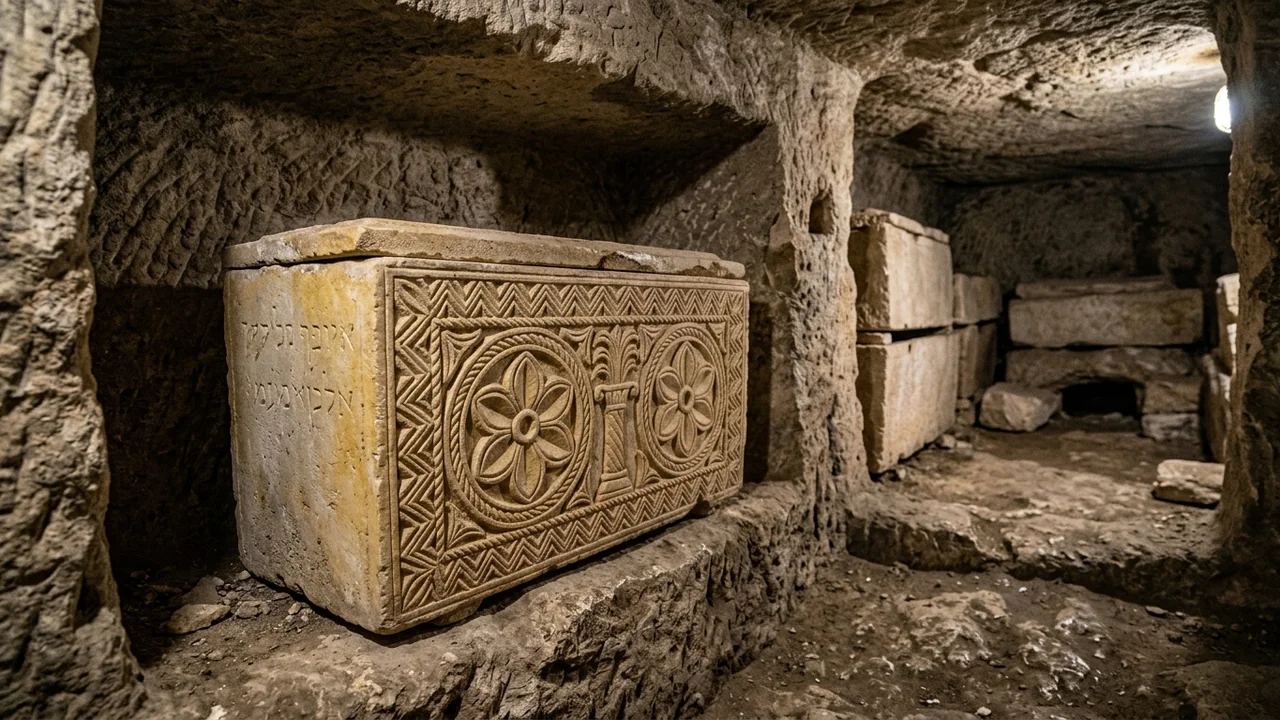
11 min read · Verified Primary DossierThe Ossuary of Caiaphas: Did We Find the Bones of the High Priest Who Condemned Jesus?
16 min read · Verified Primary DossierThe Tel Dan Stele: 'House of David' Inscription, Minimalist Debates, and Archaeological Proof
11 min read · Verified Primary DossierThe Unwritten Gospel: Volume II — Kings & Ancient Empires
Delve into royal seal impressions, monumental stelae, and underground Levant water systems corroborating biblical kings.
Primary Sources & Scholarly Archives
Editorial Standard →Official archaeological field reports, certified stratigraphy surveys, and Semitic epigraphy catalogs.
Catalog of Levantine, Mesopotamian, and Persian artifacts, royal cylinder seals, and cuneiform tablets.
Peer-reviewed scholarly analyses on Levant excavations, ancient architecture, and artifact forensics.
Frequently Asked Questions
What kind of wick was used in Herodian oil lamps?
Wicks were spun from linen or flax fibers (pishtah), often recycled from old garments, producing a clean, bright, smoke-free flame.
What kind of oil was used for domestic lighting?
Cold-pressed olive oil was the universal fuel in Judea, burning cleanly without foul odors unlike animal fats or inferior seed oils.
Could the foolish virgins actually buy oil at midnight?
In village wedding celebrations, merchants could be awakened to sell oil, but the delay meant returning too late to enter the locked banquet doors.
What does "trimming the lamp" mean?
Trimming involved pulling the wick forward, cutting away the charred carbon crust, and clearing the nozzle to restore a clean, bright flame.
Related Research Dossiers
View all 515 research dossiers →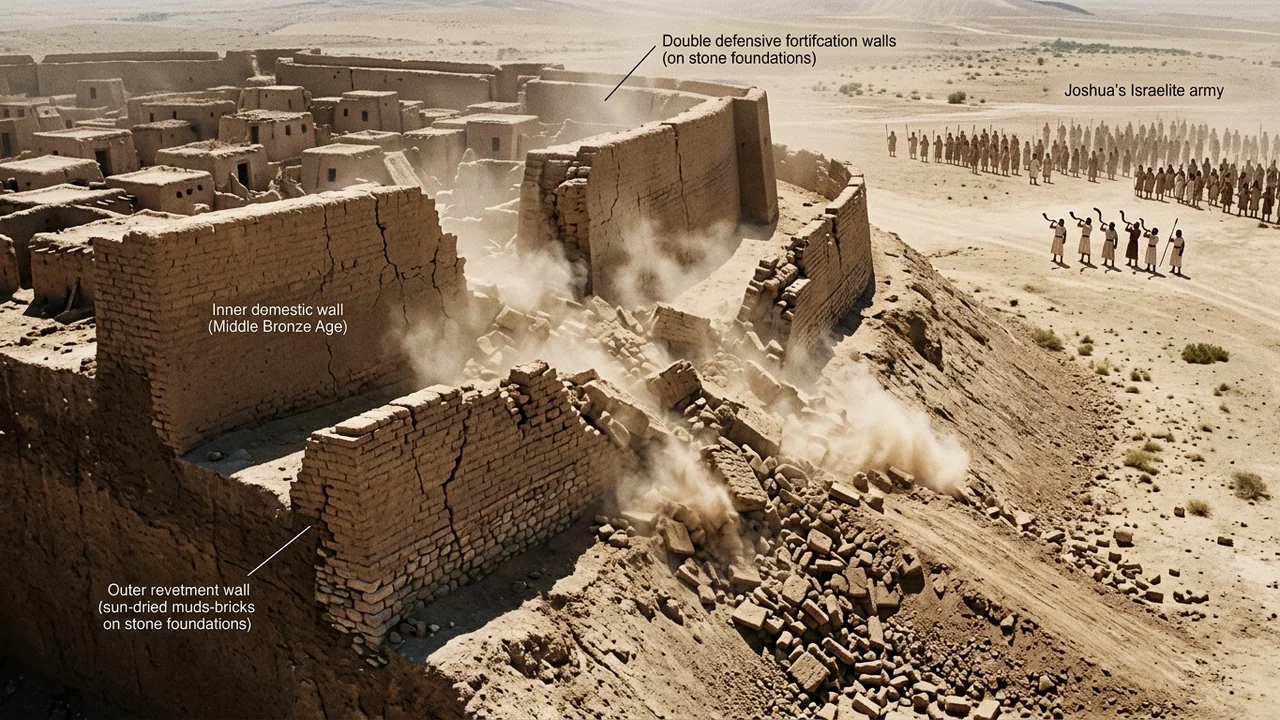
The Falling Walls of Jericho: Archaeological Trench Proof of Inward Soil Ramp Collapse
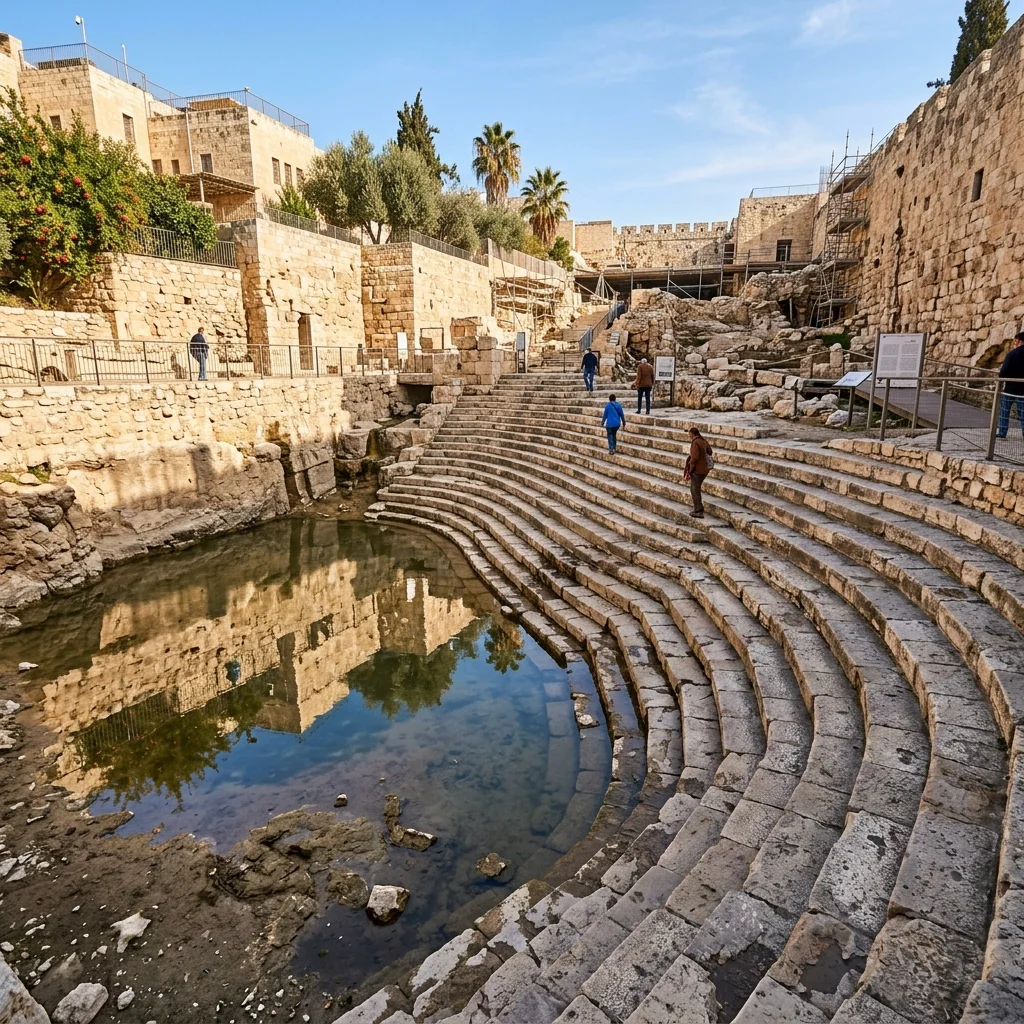
Uncovering the Pool of Siloam: The 2004 Archaeological Breakthrough in Jerusalem