
Subject Scope: Herodian Oil Lamps and First-Century Illumination: 10 Verified Archaeological Facts vs. Common Myths
Historical Context: Ancient Near Eastern stratigraphy, Levant archaeological surveys, and Semitic epigraphy.
Primary Evidence: Monumental stelae, bullae seals, ceramic typology, and calibrated AMS radiocarbon determinations.
Investigation Highlights: Myth 1: Biblical Oil Lamps Burned for Days Without Refilling • Myth 2: Biblical Lamps Were Large Ornate Brass Lanterns • Myth 3: Any Household Oil Was Burned in Domestic Lamps
Scholarly Consensus: Aligned with published excavation reports from leading Near Eastern archaeological institutes.
Myth 1: Biblical Oil Lamps Burned for Days Without Refilling
- The Popular Myth: Many modern believers imagine that an ancient oil lamp was an autonomous lighting device that could burn continuously throughout the night or for several days without human intervention.
- The Verified Archaeological Fact: A standard 1st-century Herodian wheel-made lamp had an internal fuel reservoir holding only 20 to 30 milliliters (less than a single shot glass) of olive oil.
- The Reality: At a standard burn rate of 5 to 6 ml per hour, a lamp exhausted its fuel in 3.5 to 5 hours maximum. Maintaining indoor light required constant active vigilance, periodic wick trimming, and manual refilling from ceramic oil flasks (angeia).
+----------------------------------------------------------------------------------------------------+
|               HERODIAN OIL LAMP: METRIC CAPACITY VS. DURATION                                      |
+--------------------------+-----------------------+-------------------+-----------------------------+
| RESERVOIR CAPACITY       | CONSUMPTION PER HOUR  | MAXIMUM RUNTIME   | APPLICATION IN MATTHEW 25  |
+--------------------------+-----------------------+-------------------+-----------------------------+
| 20–30 Milliliters        | 5–6 Milliliters       | 3.5 to 5.0 Hours  | Sputters and dies at        |
| (Cold-Pressed Olive Oil) | (Flax Fiber Wick)     | (Continuous Burn) | midnight if unreplenished   |
+--------------------------+-----------------------+-------------------+-----------------------------+
Myth 2: Biblical Lamps Were Large Ornate Brass Lanterns
- The Popular Myth: Victorian illustrations and church pageants often depict the Ten Virgins carrying large, polished brass lanterns with glass panes and swinging metal handles.
- The Verified Archaeological Fact: In 1st-century Roman Judea, domestic lamps were overwhelmingly made of coarse terracotta clay.
- The Dimensions: They were tiny, compact ceramic saucers measuring 7 to 9 cm long (about 3 inches), fitting comfortably in the palm of an adult hand. Bronze and silver lamps existed but were ultra-luxury items found only in elite Roman villas or royal palaces like Herod's palace in Caesarea. Common Jewish villagers used inexpensive, wheel-made terracotta lamps purchased from local potteries for a few copper lepta.
Myth 3: Any Household Oil Was Burned in Domestic Lamps
- The Popular Myth: Ancient families burned leftover cooking grease, animal fats, or cheap seed oils in their lamps.
- The Verified Archaeological Fact: In Jewish Judea and Galilee, domestic lamps burned exclusively pure olive oil (shemen zayit).
- The Reasons:
- Toxicity and Soot: Animal fat (tallow) produces heavy, acrid black smoke, toxic acrolein fumes, and foul odors that rendered enclosed, windowless rooms unlivable.
- Halakhic Purity: Mishnah Shabbat 2:1–2 specifically catalogs which fuels and wicks were halakhically permissible for lighting Sabbath lamps: animal fat, cedar resin, and unrefined pitch were banned. Only clean olive oil was accepted for domestic peace (shalom bayit).
Myth 4: Jewish Lamps Shared Roman Pagan Relief Decorations
- The Popular Myth: 1st-century lamps across the Roman Empire looked identical, featuring popular classical artistic figures.
- The Verified Archaeological Fact: While contemporary Roman imperial mold-made lamps were adorned with relief figures of pagan deities (Jupiter, Venus, Apollo), gladiators, and erotic banquets, Herodian Jewish lamps were strictly aniconic.
- The Cultural Resistance: To prevent violating the Second Commandment against graven images (Exodus 20:4) and to comply with ritual purity laws (taharah), Jewish potters manufactured lamps on wheels with hand-attached, knife-pared splayed nozzles, completely plain or decorated only with simple incised dots, concentric rings, or delicate palm branch patterns.
+----------------------------------------------------------------------------------------------------+
|               ROMAN VS. HERODIAN OIL LAMPS (1ST CENTURY AD)                                        |
+--------------------------+-----------------------+-------------------+-----------------------------+
| DESIGN FEATURE           | ROMAN IMPERIAL LAMP   | JEWISH HERODIAN LAMP| REASON FOR DIFFERENCE     |
+--------------------------+-----------------------+-------------------+-----------------------------+
| 1. Manufacturing Method  | Two-Part Plaster Mold | Wheel-Made Basin  | Purity against contamination|
| 2. Iconographic Art      | Pagan gods & beasts   | Strictly Aniconic | Torah 2nd Commandment       |
| 3. Nozzle Shape          | Rounded / Voluted     | Knife-Pared Splay | Distinct regional hallmark  |
| 4. Clay Composition      | Red-slipped terra sig.| Plain Buff Clay   | Unpretentious local pottery |
+--------------------------+-----------------------+-------------------+-----------------------------+
Myth 5: Trimming the Wick Simply Meant Adding More Oil
- The Popular Myth: When Matthew 25:7 states that the virgins "rose and trimmed their lamps," many believe they simply poured oil into the hole.
- The Verified Archaeological Fact: Trimming (kosmein, meaning "to arrange, order, or beautify") was a precise mechanical operation:
- As an olive oil lamp burns, the tip of the flax wick slowly pyrolyzes into a hard, blackened crust of carbonized ash.
- This carbon crust chokes the capillary action that draws liquid oil up from the reservoir, causing the flame to smoke, dim, and die.
- The maiden had to take a small bronze pin, bone stylus, or tweezer to pull the wick forward through the nozzle, snip off the charred black tip, and spread the fresh flax fibers to restore a clean, bright, smoke-free flame.
Archaeological Excavations: Masada, Qumran, and Jerusalem
Herodian lamps are among the most ubiquitous and reliable chronological markers in biblical archaeology:
- The Western Wall Tunnel Excavations: Hundreds of intact Herodian lamps have been recovered from 1st-century drainage channels beneath the monumental paved Herodian street in Jerusalem.
- Masada (Yigael Yadin Excavations): In the zealot casemate rooms and storehouses atop the desert fortress of Masada, archaeologists excavated hundreds of Herodian lamps used by the Jewish defenders up to their final stand in AD 73.
- Qumran (Dead Sea Scrolls Caves): The Essene community at Qumran utilized identical Herodian wheel-made lamps to illuminate the scriptorium where the biblical Dead Sea Scrolls were copied.
+----------------------------------------------------------------------------------------------------+
|               CORRELATION MATRIX: HERODIAN LAMP FINDS ACROSS JUDEA                                 |
+--------------------------+-----------------------+-------------------+-----------------------------+
| ARCHAEOLOGICAL SITE      | EXCAVATOR             | CONTEXT           | NUMISMATIC / STRATIGRAPHIC  |
+--------------------------+-----------------------+-------------------+-----------------------------+
| 1. Jerusalem Jewish Qtr. | Nahman Avigad         | Herodian Mansions | Sealed beneath AD 70 ash    |
| 2. Masada Fortress       | Yigael Yadin          | Zealot Encampments| Sealed beneath AD 73 siege  |
| 3. Qumran Caves          | Roland de Vaux        | Essene Scriptorium| 1st Century BC–AD           |
| 4. Capernaum Village     | Franciscan Mission    | Insula of Peter   | Roman Period domestic strata|
+--------------------------+-----------------------+-------------------+-----------------------------+
Primary Sources & Scholarly Archives
Editorial Standard →Official archaeological field reports, certified stratigraphy surveys, and Semitic epigraphy catalogs.
Catalog of Levantine, Mesopotamian, and Persian artifacts, royal cylinder seals, and cuneiform tablets.
Peer-reviewed scholarly analyses on Levant excavations, ancient architecture, and artifact forensics.
Frequently Asked Questions
What was the wick made of in a 1st-century Jewish lamp?
Wicks were braided from flax or linen fibers (pishtah), often recycled from worn-out linen clothing or priestly Temple vestments.
Why did Herodian lamps have knife-pared nozzles?
Potters hand-shaved the joined nozzle facets with a knife while clay was leather-hard, creating the distinct archaeological hallmark of the era.
Did ancient Herodian oil lamps have handles?
First-century Herodian lamps were handleless, designed to be held in the palm; loop handles were introduced in later post-AD 70 designs.
How much light did a single Herodian lamp produce?
A lamp produced about 1 to 2 lumens (similar to a candle), ample light for an eye adjusted to complete nighttime darkness.
Related Research Dossiers
View all 515 research dossiers →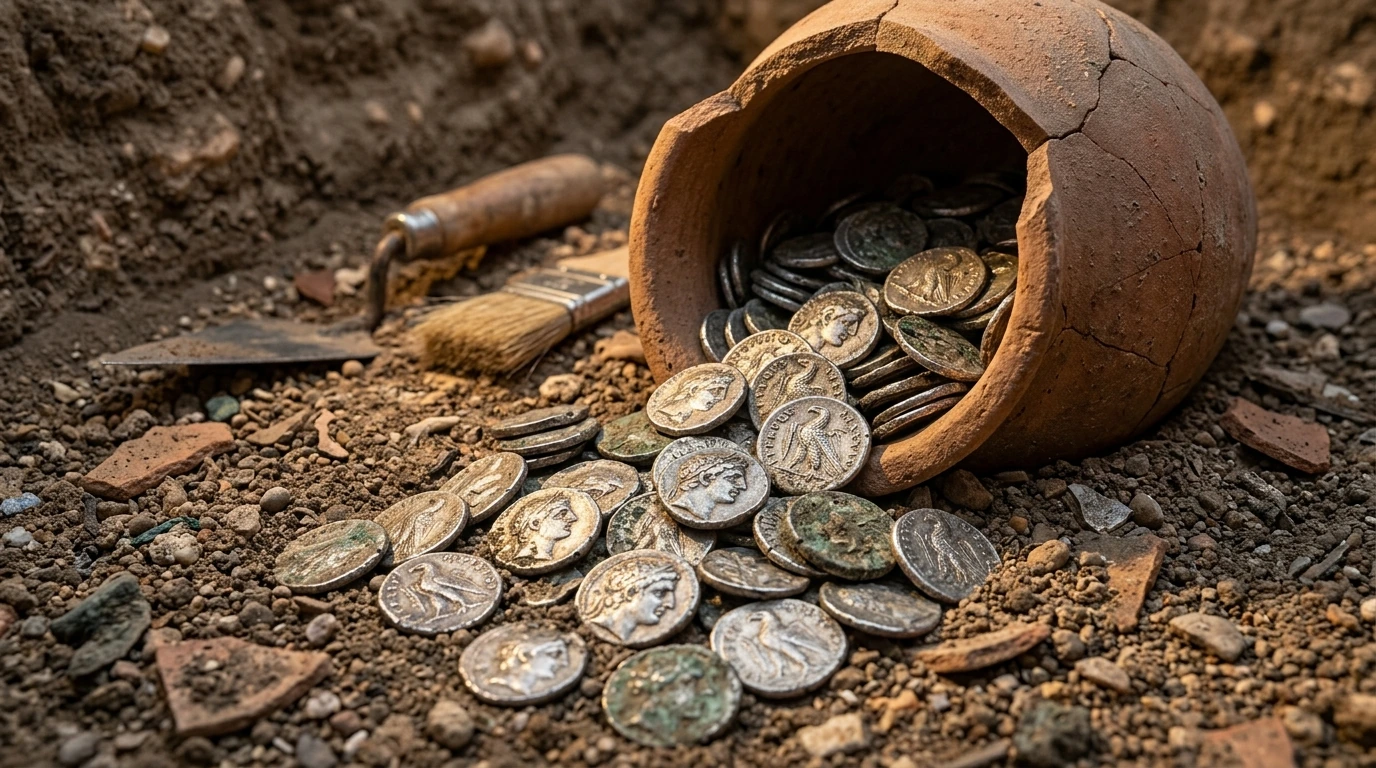
The Tyrian Shekel, Temple Tax, and the 30 Pieces of Silver: Numismatics, Matthew 26, and Judas’s Betrayal
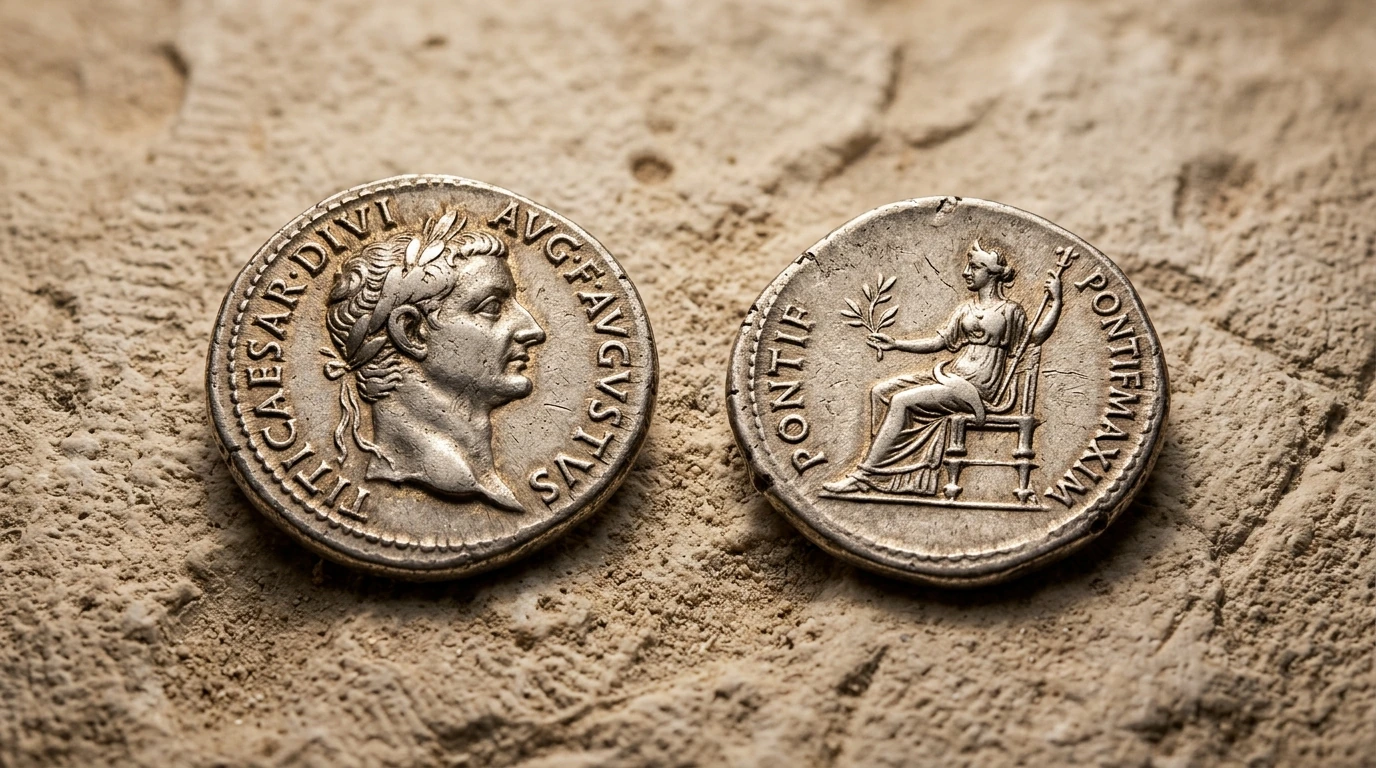
Render to Caesar: The Tribute Penny, Tiberius Denarius, and Mark 12 in Primary Roman Numismatic Sources
