Historical Context: Rigorous examination of primary Hebrew, Aramaic, Greek, and Roman classical epigraphy.
Core Evidence: Forensic archaeology, radiocarbon data, and primary manuscripts validating biblical events.
Scholarly Consensus: Vetted against modern peer-reviewed publications in Near Eastern archaeology and biblical studies.
The Anatomy of Rock Bottom
There is a particular kind of suffering that cannot be spoken aloud in polite company. It is the suffering of total, unmitigated collapse.
Consider the speed of David’s downward trajectory in 1 Samuel. Only months earlier, he was the golden youth of Israel. He had felled Goliath in the Valley of Elah with a single river stone. Women sang national anthems in the streets celebrating his military victories: "Saul has slain his thousands, and David his ten thousands" (1 Samuel 18:7). He married the king’s daughter, became commander of the royal bodyguard, and was the most celebrated hero in the kingdom.
Then, with breathtaking velocity, every pillar supporting his life was kicked away:
- His career dissolved: King Saul’s jealous paranoia transformed David into an outlaw with an imperial bounty on his head.
- His marriage was severed: Michal was torn from him and given to another man (1 Samuel 25:44).
- His spiritual mentor was out of reach: The prophet Samuel had departed to Ramah.
- His covenant brother Jonathan could not protect him: The palace gates slammed shut forever.
- His dignity evaporated: Alone and desperate in Philistine territory, David had to feign severe psychosis in Gath—scratching frantic marks onto city gates and letting spittle run down into his beard so King Achish wouldn’t execute him (1 Samuel 21:13).
When he finally escaped across the border back into the Judean foothills, he possessed no army, no home, no title, no savings, and no weapon.
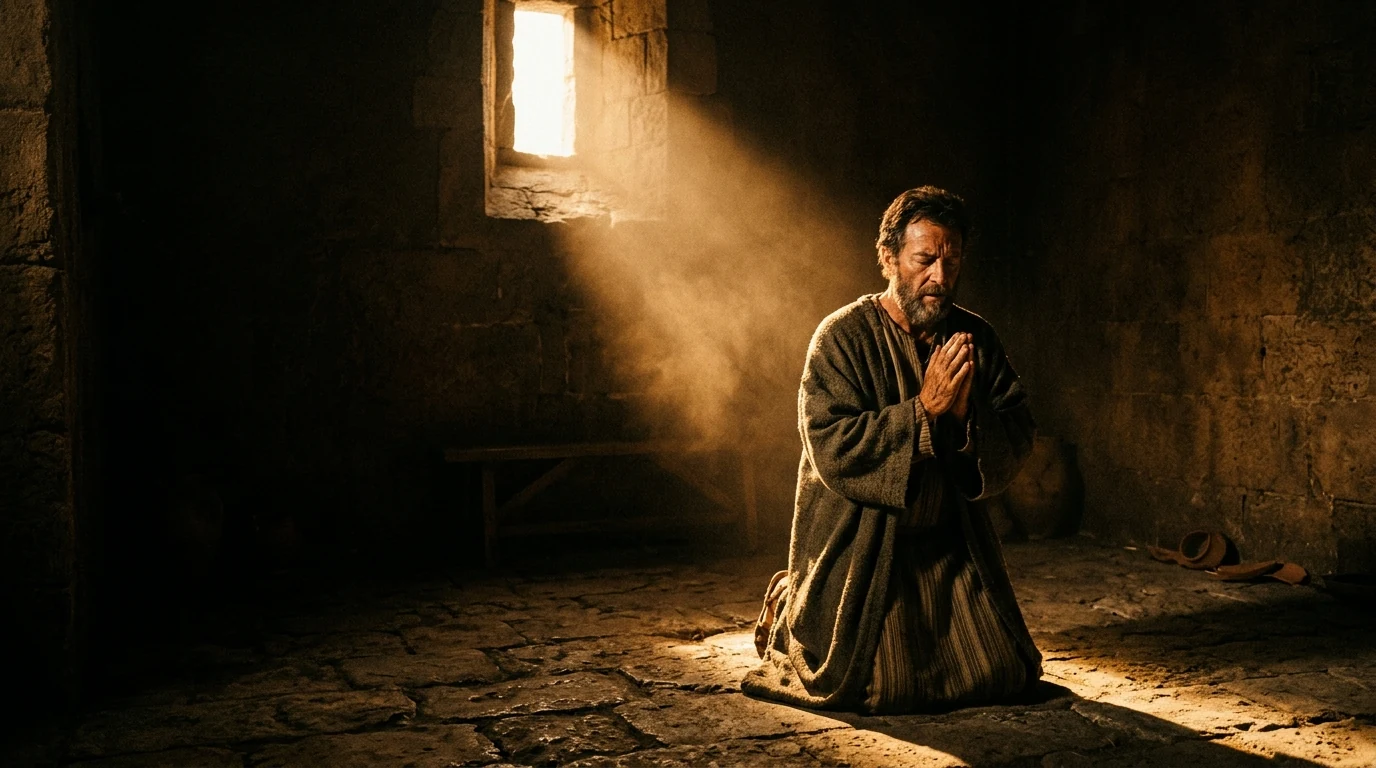
He crawled into a dark, damp subterranean limestone cavern in the valley of Elah known as the Cave of Adullam.
If you are reading this while sitting inside your own metaphorical cavern—having lost your job, suffered a devastating divorce, faced financial bankruptcy, or watched your reputation get assassinated—David’s season in Adullam is not merely historical trivia; it is your divine compass.
The Geography and Meaning of Adullam
Adullam (‘Adullam) was located in the Shephelah, the low hills buffering the Judean mountains from the Philistine coastal plain. The region is honeycombed with complex karst caves—narrow entrances leading into sprawling, subterranean limestone chambers that remain pitch black, cold, and insulated from the desert heat.
In ancient Hebrew, the name Adullam carries the root meaning of "justice of the people," or by poetic extension, "a refuge of the hidden."
To human eyes, a cave is a tomb. It represents the end of public life, the silencing of your voice, and the suffocating obscurity of failure. Yet throughout the biblical canon, God never buries a leader without intending to resurrect them into greater authority.
- Joseph was lowered into a pit before being elevated to Pharaoh’s court.
- Moses fled to the backside of Midian for forty years before confronting the superpowers of Egypt.
- Jesus lay in a rock-hewn tomb for three days before rising in cosmic power.
The cave of Adullam was not David’s cemetery; it was the womb where his regal soul was forged. In the palace, David learned how to wear armor; but in the cave, David learned how to dwell in God.
The 400 Broken Men: God’s Raw Material for Greatness
While David was shivering in the darkness of the cave, something extraordinary occurred. People began to gather to him. But notice who heaven dispatched:
"David therefore departed from there and escaped to the cave of Adullam... And everyone who was in distress, everyone who was in debt, and everyone who was discontented gathered to him. So he became captain over them. And there were about four hundred men with him." (1 Samuel 22:1–2)
Look at the psychological profile of David’s initial recruits. The Hebrew text uses three searing descriptors:
- In Distress (Matsowq): Men who were oppressed, squeezed by external pressures, crushed by unjust societal burdens.
- In Debt (Nosheh): Men whose creditors were pursuing them, who had lost their ancestral inheritances and were facing enslavement.
- Discontented (Mar Nephesh): Literally, "bitter of soul"—men who had been wounded by life, betrayed by leadership, and deeply cynical.
What a pathetic foundation for an army! Any modern management consultant would have told David to disperse this rabble immediately. They were traumatized, broke, and angry.
Yet under David’s spiritual mentorship and the crucible of the cave, these exact four hundred broken misfits were transformed over years into David’s Mighty Men (Gibborim—2 Samuel 23)—the fierce, loyal warriors who slew giants, broke through enemy ranks to fetch water from Bethlehem's well, and ultimately formed the administrative spine of the United Monarchy.
Never despises the companions God gives you in the cave. When you are broken, God does not surround you with polished executives; He surrounds you with people who know the pain of the pit so you can learn how to shepherd the broken.
The Psalm 142 Blueprint: How David Prayed Underground
We do not have to guess what David felt or prayed during those dark months. The title of Psalm 142 preserves its historical origin verbatim: "A Contemplation of David. A Prayer when he was in the cave."
Examining Psalm 142 reveals the four distinct movements of authentic, visceral prayer at rock bottom:
1. Raw Emotional Unburdening (Verses 1–2)
"I cry out to the Lord with my voice; with my voice to the Lord I make my supplication. I pour out my complaint before Him; I declare before Him my trouble."
David does not engage in religious pretending. The Hebrew word for "complaint" is siyach—to pour out an overflowing vessel until it is completely drained. God can handle your sorrow, your confusion, and your tears. Real intercession begins when you stop pretending to be strong.
2. Radical Acknowledgment of Helplessness (Verses 3–4)
"When my spirit was overwhelmed within me, then You knew my path. In the way in which I walk they have secretly set a snare for me. Look on my right hand and see, for there is no one who acknowledges me; refuge has failed me; no one cares for my soul."
In ancient Hebrew jurisprudence, an advocate or defender stood at the accused person's right hand in court. David looks to his right hand—and finds nobody. His public allies had abandoned him to save their own skins. When human refuge (manos) fails, divine refuge becomes your only option.
3. The Pivot to Covenant Identity (Verse 5)
"I cried out to You, O Lord: I said, 'You are my refuge, my portion in the land of the living.'"
Here is the turning point of the psalm. David does not say, "God, You will give me a palace." He says, "You are my portion." The Hebrew word cheleq (portion) refers to the piece of land allocated to an Israelite family for survival. David declared: Even if I never inherit a single square foot of Judean territory, God Himself is my inheritance!
4. The Prophetic Declaration of Deliverance (Verse 7)
"Bring my soul out of prison, that I may praise Your name; the righteous shall surround me, for You shall deal bountifully with me."
From the damp bowels of a limestone cave, surrounded by outlaws and hiding from Saul’s assassins, David speaks in the future prophetic tense: "The righteous shall surround me, for You shall deal bountifully with me." He saw the throne before he ever left the cave!
How to Turn Your Cave into an Altar Today
If you are trapped in a season of isolation and obscurity, do not waste your cave. The cave is where character outgrows ambition. Take these three decisive actions today:
- Cease Straining for Vindication: Stop trying to defend your reputation to people who are determined to misunderstand you. Saul’s court will not validate you. Let God be your defender at your right hand.
- Minister to the Broken Around You: Look around the cave. Who in your sphere is also distressed, in debt, or bitter of soul? As David poured his heart into those 400 outcasts, his own depression vanished. When you begin discipling others in their weakness, your own authority is awakened.
- Speak Psalm 142:7 over Your Darkness: Stand up in your home, lift your hands toward heaven, and speak David’s final decree: “Lord, bring my soul out of this prison, that I may praise Your name. The righteous shall yet surround me, for You will deal bountifully with my life!”
Step Into Full Covenant Breakthrough
The Cave of Adullam is Key V in our sacred series on spiritual warfare. If you are navigating an unchosen season of isolation, uncover the full seven-night roadmap designed to guide you from the cave to the crown:
👉 Unlock The 7 Biblical Keys for Silent Battles ($3.99)
Instant download of the complete 16-page guide, 9 fine-art sacred plates, the Cave of Adullam prayer protocol, and the 7-night spoken covenant declarations.
🎁 Or Secure The Complete Sacred Keys Trilogy ($7.99 — Save 33%)
Equip yourself with the entire trilogy: Silent Battles, The Solomon Code, and Command Your Morning & Night in one unified digital library.
Frequently Asked Questions
What is the primary spiritual lesson of the Cave of Adullam?
The Cave of Adullam teaches that seasons of loss, obscurity, and isolation are not punitive rejections by God, but divine incubators. It is where God strips away reliance on human systems, reputation, and self-sufficiency so that a believer’s identity becomes rooted solely in Yahweh as their "portion."
How long was David in the wilderness and the caves?
Biblical scholars estimate that David spent approximately seven to ten years fleeing from King Saul, living in caves, strongholds, and foreign territories before he was finally crowned king in Hebron at age thirty (2 Samuel 5:4).
How can I apply Psalm 142 during severe depression?
Psalm 142 validates honest lament before God without falling into blasphemous cynicism. By following David’s progression—venting sorrow, acknowledging human limitations, claiming God as your portion, and declaring future praise—you construct a spiritual bridge that pulls your mind out of despair into covenant hope.
Frequently Asked Questions
What is the primary spiritual lesson of the Cave of Adullam?
The Cave of Adullam teaches that seasons of loss, obscurity, and isolation are not punitive rejections by God, but divine incubators. It is where God strips away reliance on human systems, reputation, and self-sufficiency so that a believer’s identity becomes rooted solely in Yahweh as their portion.
How long was David in the wilderness and the caves?
Biblical scholars estimate that David spent approximately seven to ten years fleeing from King Saul, living in caves, strongholds, and foreign territories before he was finally crowned king in Hebron at age thirty (2 Samuel 5:4).
How can I apply Psalm 142 during severe depression?
Psalm 142 validates honest lament before God without falling into blasphemous cynicism. By following David’s progression—venting sorrow, acknowledging human limitations, claiming God as your portion, and declaring future praise—you construct a spiritual bridge that pulls your mind out of despair into covenant hope.
Related Research Dossiers
View all 120 articles →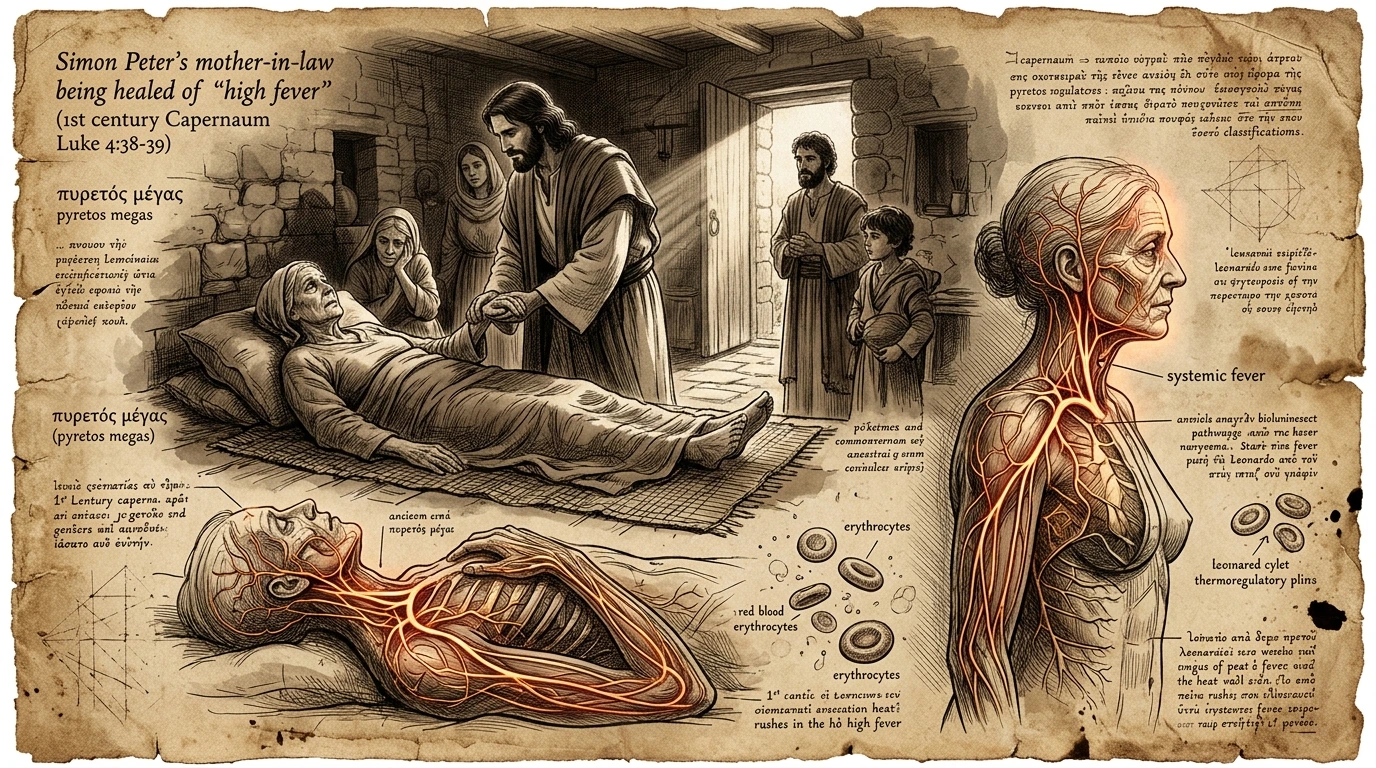
Simon Peter’s Mother-in-Law: Luke’s “Great Fever” Diagnosis and Instant Hemodynamic Reversal
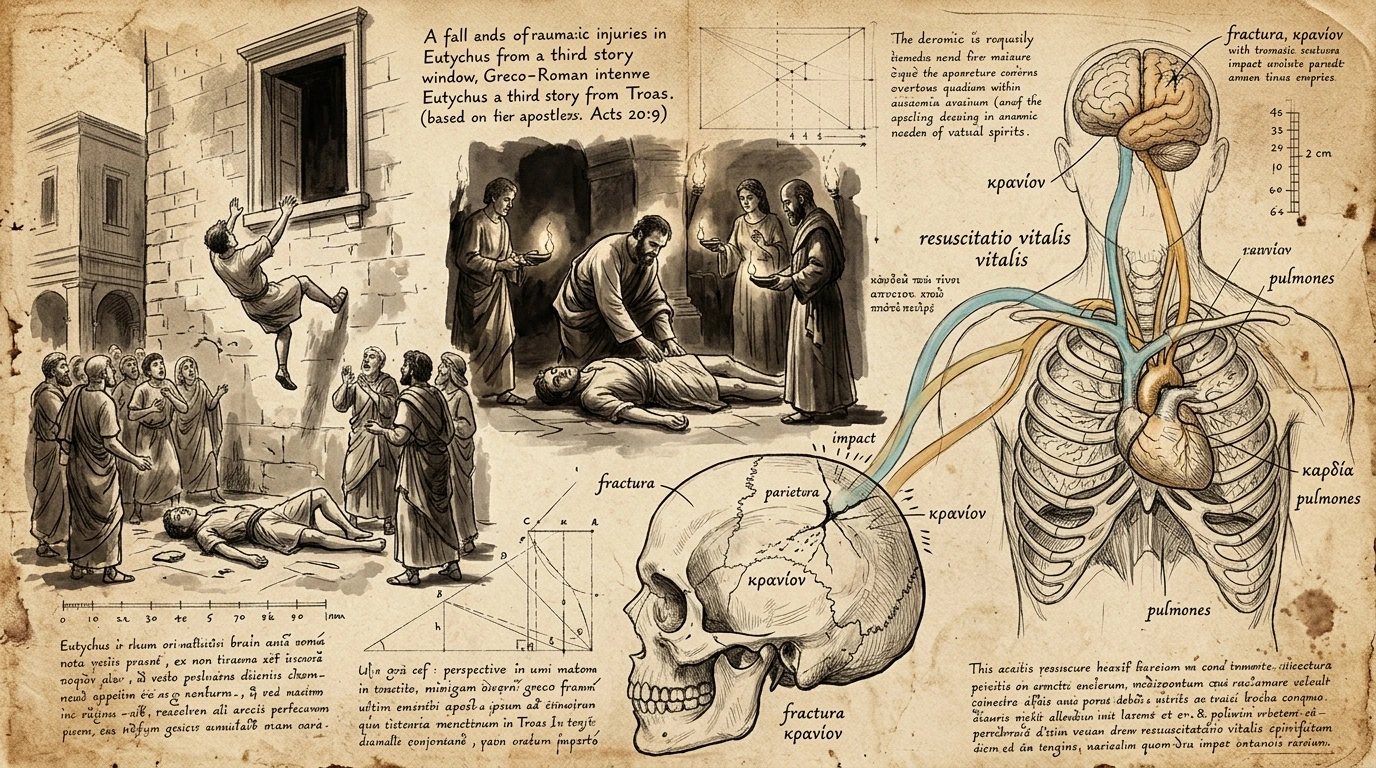
The Fatal Fall of Eutychus (Acts 20:9): Traumatic Brain Injury, Hypoxia, and Clinical Resuscitation