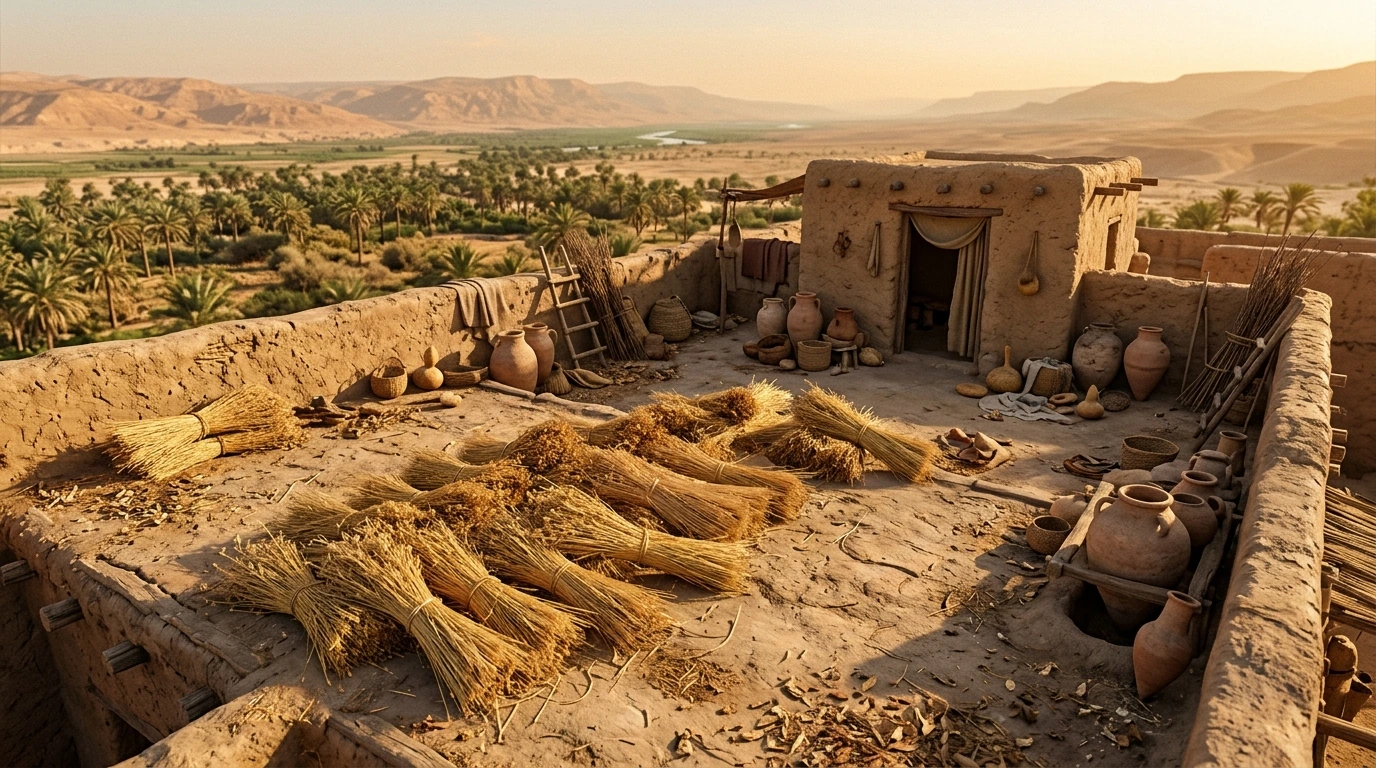
Subject Scope: Biblical Passages That Come Alive When You Walk the Ruins of Caesarea Maritima: Roman Law, Apostolic Courage, and Imperial Grandeur
Historical Context: Ancient Near Eastern stratigraphy, Levant archaeological surveys, and Semitic epigraphy.
Primary Evidence: Monumental stelae, bullae seals, ceramic typology, and calibrated AMS radiocarbon determinations.
Investigation Highlights: The Coastal Crossroads: Where the Gospel Met the Empire • Acts 10: Peter, Cornelius, and the Demolition of Barriers • Acts 21: Philip’s House and the Prophecy of Agabus
Scholarly Consensus: Aligned with published excavation reports from leading Near Eastern archaeological institutes.
The Coastal Crossroads: Where the Gospel Met the Empire
To walk through the sunlit ruins of Caesarea Maritima is to stand at the hinge of human history. Here, on the Mediterranean shore, the biblical message ceased to be an exclusively Judean, Semitic phenomenon and exploded across the maritime trade routes of the Roman Empire into a global faith.
In Jerusalem, the early Church worshiped in the shadow of the Second Temple, wrestling with Levitical dietary laws, circumcision disputes, and ancestral customs. In Caesarea, believers confronted the unvarnished reality of the pagan Roman world: soaring pagan temples dedicated to Caesar Augustus and the goddess Roma, gladiatorial combats in the amphitheater, chariot races in the seaside hippodrome, and imperial decrees issued in Latin.
Yet it was precisely in this pagan capital that the Holy Spirit chose to inaugurate the Gentile mission, preserve the life of the Apostle Paul, and orchestrate his journey to imperial Rome.
+----------------------------------------------------------------------------------------------------+
|               THE FOUR WATERSHED GOSPEL MILESTONES AT CAESAREA MARITIMA                            |
+--------------------------+-----------------------+-------------------+-----------------------------+
| BIBLICAL EVENT           | KEY CHARACTERS        | SCRIPTURE TEXT    | SPIRITUAL SIGNIFICANCE      |
+--------------------------+-----------------------+-------------------+-----------------------------+
| 1. The Gentile Pentecost | Peter & Cornelius     | Acts 10:1–48      | Holy Spirit falls on the    |
|                          | (Roman Centurion)     |                   | Gentiles without circumcis. |
| 2. Judgment of Tyranny   | Herod Agrippa I       | Acts 12:19–24     | God smites tyrant; Word of  |
|                          | (King of Judea)       |                   | God grows and multiplies    |
| 3. Missionary Gathering  | Paul, Luke, Philip    | Acts 21:8–16      | Agabus binds Paul's hands   |
|                          | & 4 Prophet Daughters |                   | with girdle; Paul resolute  |
| 4. Gospel Before Kings   | Paul, Festus, Agrippa | Acts 26:1–32      | "I am not mad, most noble   |
|                          | & Queen Bernice       |                   | Festus; I speak truth!"     |
+--------------------------+-----------------------+-------------------+-----------------------------+
Acts 10: Peter, Cornelius, and the Demolition of Barriers
In Acts 10, when the Apostle Peter walked into the Caesarean home of Cornelius, he began his sermon with a revolutionary confession:
"I now realize how true it is that God does not show favoritism (God is no respecter of persons) but accepts from every nation the one who fears him and does what is right." (Acts 10:34–35).
When modern visitors stand among the excavated Roman residential villas of Caesarea—with their mosaic floors, central courtyards (atria), and classical painted frescoes—they realize the radical social courage required for a traditional Galilean Jew to cross that threshold. In traditional first-century Jewish halakha, entering a Gentile home rendered an observant Jew ceremonially unclean.
By commanding Peter to go to Caesarea, God shattered a millennium of nationalistic isolationism. When the Holy Spirit fell upon Cornelius and his household before they were even baptized, Peter commanded: "Can anyone keep these people from being baptized with water? They have received the Holy Spirit just as we have" (Acts 10:47). Caesarea is the spiritual birthplace of Gentile Christianity.
Acts 21: Philip’s House and the Prophecy of Agabus
In Acts 21:8–14, on his final journey toward Jerusalem, Paul’s missionary entourage arrived in Caesarea:
"Leaving the next day, we reached Caesarea and stayed at the home of Philip the evangelist, one of the Seven. He had four unmarried daughters who prophesied."
The Dramatic Prophecy
While they were staying in Philip's home, the prophet Agabus came down from Judea:
- Agabus took Paul's belt (zone), tied his own hands and feet with it, and prophesied: "The Holy Spirit says, 'In this way the Jewish leaders in Jerusalem will bind the owner of this belt and will hand him over to the Gentiles.'"
- Hearing this prophecy, Luke, Philip, and the Caesarean believers wept and pleaded with Paul not to go up to Jerusalem.
- Paul responded with immortal apostolic fortitude: "Why are you weeping and breaking my heart? I am ready not only to be bound, but also to die in Jerusalem for the name of the Lord Jesus" (Acts 21:13).
Walking along the coastal promenade of Caesarea today, one can look eastward toward the Judean mountains and feel the weight of Paul’s resolute surrender to God’s sovereign plan.
Acts 26: Paul’s Defense Speech Before Kings and Governors
Standing in the audience hall of Herod's Praetorium, Paul confronted two distinct worldviews:
- The Cynical Secular Imperialist (Festus): Representing Roman realpolitik, Festus interrupted Paul’s testimony about the resurrection, shouting at the top of his voice: "You are out of your mind, Paul! Your great learning is driving you insane!" (Acts 26:24).
- The Compromised Religious Politician (Agrippa II): Representing nominal, worldly religion, Agrippa was visibly unsettled by Paul's direct question: "Do you think that in such a short time you can persuade me to be a Christian?" (Acts 26:28).
Paul's response remains the golden standard of Christian witness:
"Short time or long—I pray to God that not only you but all who are listening to me today may become what I am, except for these chains." (Acts 26:29).
Raising his chained wrists in the marble hall overlooking the Mediterranean, Paul demonstrated that true spiritual freedom does not belong to earthly kings in purple robes, but to those who belong to the risen Christ.
The Stone Steps of the Theater: Fragile Mortal Glory
Sitting today on the curved stone tiers of the Roman Theater at Caesarea, visitors gaze upon the exact orchestra floor where Herod Agrippa I basked in the idolatrous cheers of the crowd.
The juxtaposition recorded in Acts 12 is profound:
- In Acts 12:1–2, Agrippa seemed all-powerful: he executed James with the sword and locked Peter in the inner prison.
- In Acts 12:23, Agrippa fell dead, consumed by worms in his glittering silver robes.
- In Acts 12:24, Luke pens the ultimate divine epitaph: "But the word of God continued to spread and flourish."
Earthly empires, monumental pozzolana concrete harbors, and proud persecutors crumble into ocean dust; the Word of the Living God stands forever.
Three-Tier Evidentiary Evaluation: Material Artifacts
+----------------------------------------------------------------------------------------------------+
|               THREE-TIER EVIDENTIARY EVALUATION: SCRIPTURE & CAESAREA RUINS                        |
+----+----------------------+-----------------------------+-------------------+----------------------+
| #  | SCRIPTURE PASSAGE    | BIBLICAL STATEMENT          | MATERIAL EVIDENCE | EVIDENTIARY VERDICT  |
+----+----------------------+-----------------------------+-------------------+----------------------+
| 1  | Acts 10:34–48        | Holy Spirit falls on Gentiles| Roman residential | CONFIRMED: Gentile   |
|    |                      | in Caesarea villa home      | villas with mosaic| Roman domestic space |
|    |                      |                             | courtyards found  | matches narrative    |
+----+----------------------+-----------------------------+-------------------+----------------------+
| 2  | Acts 12:21–23        | Agrippa struck in theater;  | Restored Caesarea | CONFIRMED: Exact site|
|    |                      | eaten by worms & died       | Roman Theater     | and historical       |
|    |                      |                             | facing the sea    | context identified   |
+----+----------------------+-----------------------------+-------------------+----------------------+
| 3  | Acts 26:29           | Paul testifies in chains in | Promontory Palace | CONFIRMED: Grand     |
|    |                      | royal audience chamber      | audience hall     | judicial basilica    |
|    |                      |                             | excavated on reef | confirmed in situ    |
+----+----------------------+-----------------------------+-------------------+----------------------+
Primary Sources & Scholarly Archives
Editorial Standard →Official archaeological field reports, certified stratigraphy surveys, and Semitic epigraphy catalogs.
Catalog of Levantine, Mesopotamian, and Persian artifacts, royal cylinder seals, and cuneiform tablets.
Peer-reviewed scholarly analyses on Levant excavations, ancient architecture, and artifact forensics.
Frequently Asked Questions
Why is Caesarea Maritima called the 'Birthplace of the Gentile Church'?
In Caesarea, the Holy Spirit fell upon the Roman centurion Cornelius and his family (Acts 10), marking the historic moment when the Gospel expanded beyond ethnic Judaism to the Gentile world.
Where was the Apostle Paul imprisoned in Caesarea?
Paul was held in Herod's Praetorium (Acts 23:35), identified by archaeologists as the Promontory Palace on the shoreline, where he defended his faith before Festus and Agrippa II.
What spiritual lesson does Caesarea's theater teach about earthly power?
The theater preserves the memory of Herod Agrippa I's sudden death under divine judgment (Acts 12:21–23), proving that human empires crumble while the Word of God endures forever.
Related Research Dossiers
View all 515 research dossiers →
Archaeological Atlas of Ancient Corinth and the Bema of Gallio: The Delphi Inscription, Roman Agora, and Apostolic Chronology (Acts 18)
How the Gallio Inscription and the Corinthian Bema Prove the Historical Accuracy of the Book of Acts