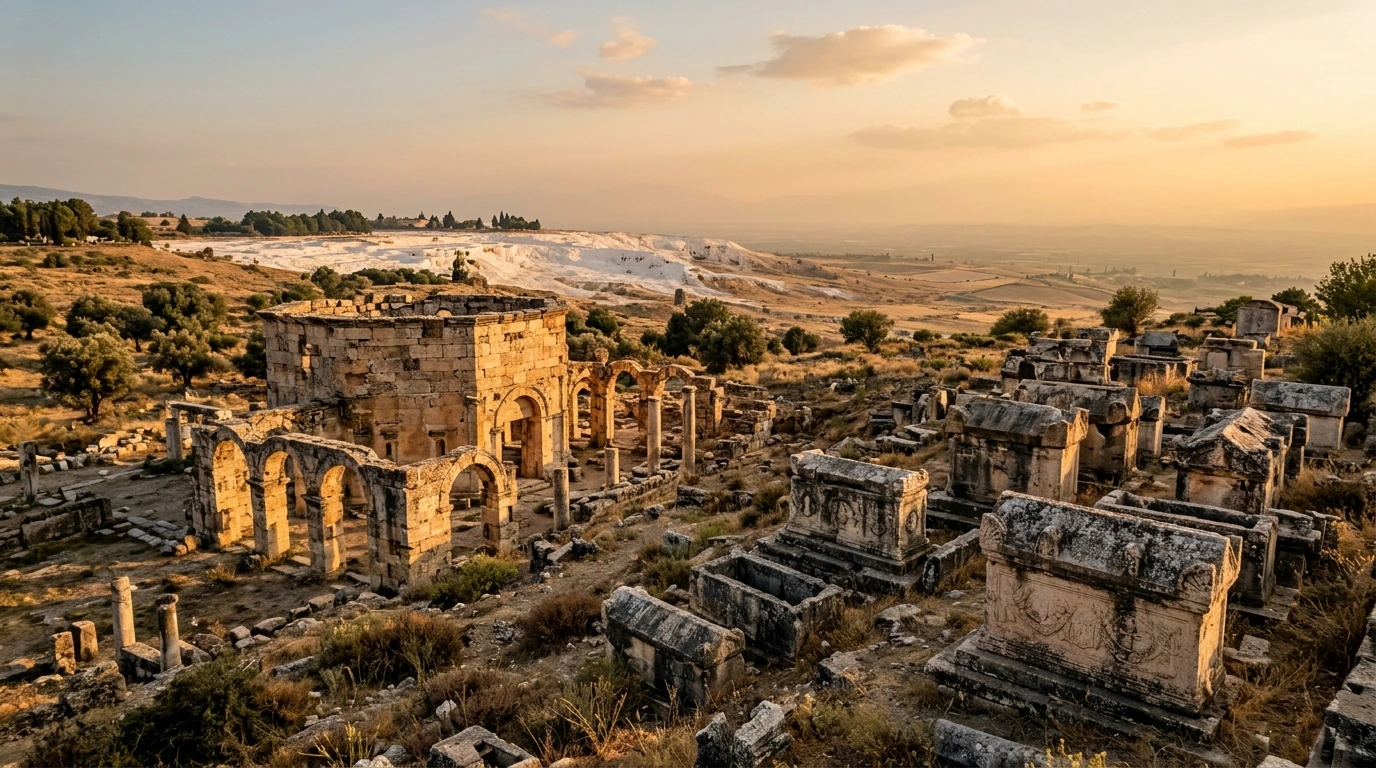
Subject Scope: Unfiltered Biographies: Queen Esther at the Persian Court of Susa in Light of Herodotus, Achaemenid Archaeology, and Cuneiform Tablets
Historical Context: Rigorous historical and theological examination within the field of Women of the Bible & Ancient Near Eastern Law.
Primary Evidence: Forensic archaeology, textual preservation, and primary ancient manuscripts corroborating scriptural events.
Investigation Highlights: The Citadel of Susa: The Winter Palace of the Great King • King Ahasuerus: The Historical Xerxes I (Khshayarsha) • The French Excavations of the Apadana: Susa in Stone
Scholarly Consensus: Vetted against peer-reviewed academic literature in biblical history, linguistics, and archaeology.
The Citadel of Susa: The Winter Palace of the Great King
Situated on the fertile plains of Khuzestan in southwestern Iran, nestled between the Shaur and Dez rivers at the foot of the Zagros Mountains, ancient Susa (Hebrew: Shushan, שׁוּשָׁן; Old Persian: Tushis; Greek: Σοῦσα) served as the supreme winter capital and administrative nerve center of the vast Achaemenid Persian Empire.
Covering an empire that stretched across three continents—from the Indus Valley in India to the cataracts of the Nile in Nubia and the borders of Thrace in Europe (Esther 1:1: "127 provinces from India to Cush"), Susa was the opulent stage where the biblical narrative of Hadassah / Queen Esther unfolded in the fifth century BC.
In the Hebrew Bible, the author of Esther describes the setting with striking, technical precision as Shushan HaBirah (שׁוּשָׁן הַבִּירָה, "Susa the Citadel" or "Susa the Fortress Palace"). Unlike the surrounding civilian mudbrick town, the Birah was an enormous, elevated acropolis covering 300 acres, fortified by cyclopean ramparts and a deep defensive river moat, housing the royal residence of the Great King, the imperial treasury, and the state chancery.
Beginning with the pioneering French excavations of Marcel-Auguste Dieulafoy (1884–1886) and Jacques de Morgan (1897–1912), followed by Roman Ghirshman (1946–1967), the Palace of Susa was unearthed and resurrected. The artifacts recovered—now prominently displayed in the Musée du Louvre in Paris—completely confirmed that the Book of Esther is saturated with authentic, firsthand eyewitness knowledge of Achaemenid court architecture, Persian legal terminology, and imperial protocol.
+----------------------------------------------------------------------------------------------------+
|               THE FOUR PRIMARY CAPITAL PALACES OF THE ACHAEMENID EMPIRE                            |
+--------------------------+-----------------------+-------------------+-----------------------------+
| PALACE CAPITAL           | GEOGRAPHICAL LOCALE   | SEASONAL USE      | BIBLICAL & HISTORICAL ROLE  |
+--------------------------+-----------------------+-------------------+-----------------------------+
| 1. Susa (Shushan)        | Lowland Plains (Iran) | Winter / Spring   | Book of Esther & Nehemiah 1 |
| 2. Persepolis            | Fars Highlands (Iran) | Spring Equinox    | Ceremonial Capital / Nowruz |
| 3. Ecbatana (Hamadan)    | Zagros Mts (Media)    | Summer (Cooling)  | Cyrus' Decree Found (Ezra 6)|
| 4. Babylon               | Euphrates Plain (Iraq)| Autumn / Admin.   | Imperial Bureaucracy Center |
+--------------------------+-----------------------+-------------------+-----------------------------+
King Ahasuerus: The Historical Xerxes I (Khshayarsha)
For centuries, casual readers were confused by the name of the Persian monarch in Esther: Ahasuerus (Hebrew: Achashverosh, אֲחַשְׁוֵרוֹשׁ).
Linguistic and epigraphic decipherment of Old Persian cuneiform inscriptions at Persepolis and Susa solved this enigma:
- The Old Persian Name: The monarch’s native Persian name was Khshayarsha (𐎧𐏁𐎹𐎠𐎼𐏁𐎠, meaning "Hero Among Kings").
- The Linguistic Transliteration: When transliterated into Babylonian cuneiform, it became Ahashiyarshu; in Hebrew, it became Achashverosh; and in classical Greek, it was rendered as Xerxes (Ξέρξης).
- The Reign of Xerxes I: Xerxes I ruled the Persian Empire from 486 to 465 BC.
The Historical Synchronism with Herodotus
The Greek historian Herodotus (Histories, Books 7–9) provides astonishing chronological synchronization with the Book of Esther:
- The Great Banquet of Year 3 (Esther 1:3): In 483 BC (the third year of his reign), Xerxes summoned all the military commanders, princes, and nobles of the 127 provinces to Susa for a 180-day summit. Herodotus (7.8) independently confirms that in 483 BC, Xerxes summoned an imperial war council of Persian nobles to Susa to plan the massive invasion of Greece.
- The Four-Year Gap (Esther 2:16): Queen Vashti was deposed in his third year (483 BC), but Esther was not crowned queen until the tenth month of his seventh year (479 BC). Why was there a four-year gap between wives? Herodotus explains: during those four intervening years (483–479 BC), Xerxes was absent on his disastrous military campaign in Greece, bridging the Hellespont, fighting at Thermopylae, and suffering catastrophic naval defeat at the Battle of Salamis (480 BC) and Plataea (479 BC). Returning humiliated and seeking comfort in his harem, Xerxes launched the imperial search for a new queen in 479 BC!
+----------------------------------------------------------------------------------------------------+
|               SYNCHRONISM: THE BOOK OF ESTHER VS. HERODOTUS' HISTORIES                             |
+------------------------------------+---------------------------------------------------------------+
| THE BOOK OF ESTHER                 | HERODOTUS' HISTORIES (BOOKS 7–9)                              |
+------------------------------------+---------------------------------------------------------------+
| Year 3 (483 BC): 180-day summit of | 483 BC: Xerxes gathers imperial war council at Susa to plan   |
| all nobles and commanders in Susa  | the grand invasion of Greece (7.8)                            |
+------------------------------------+---------------------------------------------------------------+
| Vashti deposed; imperial search    | 480–479 BC: Xerxes departs Susa; defeated at Salamis &        |
| delayed during 4-year absence      | Plataea; returns to Persian harem seeking solace (9.108)      |
+------------------------------------+---------------------------------------------------------------+
| Year 7 (479 BC): Esther chosen &   | Winter 479 BC: Xerxes returns to Susa; rewards palace         |
| crowned queen in the 10th month    | favorites and reorganizes domestic court                      |
+------------------------------------+---------------------------------------------------------------+
The French Excavations of the Apadana: Susa in Stone
When Dieulafoy and de Morgan excavated the royal acropolis of Susa, they uncovered the identical architectural rooms and decorative materials described in Esther 1:5–6:
- The Apadana (Great Audience Hall): A colossal hypostyle hall covering 2.5 acres, supported by 36 towering limestone columns, each 65 feet tall, capped by monumental double-bull capitals (protomes).
- The Marble Mosaic Pavement: Esther 1:6 describes the palace courtyard pavement with astonishing precision: "a pavement of porphyry, marble, mother-of-pearl and other costly stones (בְּרִצְפַ֥ת בַּהַט־וָשֵׁ֖שׁ וְדַ֥ר וְסֹחָֽרֶת)". Excavators uncovered the identical geometric mosaic floors made of red, black, white, and yellow marble pavers.
- The Glazed Friezes: The palace walls were decorated with vibrant glazed siliceous brick panels depicting the royal Persian Immortal Guards holding spears and quivers, winged griffins, and striding lions in turquoise, golden-yellow, and cobalt blue—now world-famous in the Louvre Museum.
- The King’s Gate (Sha'ar HaMelekh): Excavators unearthed the monumental Palace Gatehouse, measuring 130 feet by 90 feet, where Mordecai sat (Esther 2:19; 3:2). In Achaemenid administration, the royal gate was not a mere doorway; it was a multi-chambered administrative courthouse and civil bureau where imperial scribes, lawyers, and courtiers conducted daily business.
The Golden Scepter and the Court Protocol of the Inner Courtyard
In Esther 4:11, Queen Esther articulates the lethal protocol governing the Persian court:
"All the king’s officials and the people of the royal provinces know that for any man or woman who approaches the king in the inner courtyard (חֲצַר־הַבַּיִת הַפְּנִימִית, chatzar ha-bayit ha-p'nimit) without being summoned the king has but one law: that they be put to death unless the king extends the gold scepter (שַׁרְבִיט הַזָּהָב, sharvit hazahav) to them and spares their life. But thirty days have passed since I was called to go to the king."
Archaeological and Textual Confirmation
- The Inner Courtyard Layout: Excavations at Susa revealed that the royal palace comprised a series of three connected monumental courtyards: the Outer Courtyard, the Middle Courtyard, and the private Inner Courtyard directly facing the royal throne room. An armed guard (Hazarapatish / Royal Marshall) flanked the threshold; anyone stepping past the portal uninvited was instantly speared by Persian guards.
- The Golden Scepter in Relief: At Persepolis and Susa, monumental limestone relief sculptures depict King Xerxes I seated upon his elevated royal throne. In his right hand, the Great King holds a long, slender golden scepter measuring approximately three feet in length, terminating in a carved pomegranate or lotus bud. Beside him stands his royal weapon bearer holding an axe.
- Esther’s Immortal Courage: When Esther declared: "I will go to the king, even though it is against the law. And if I perish, I perish (וְכַאֲשֶׁר אָבַדְתִּי אָבָדְתִּי, v'kha'asher avadti avadti)" (Esther 4:16), she was not using dramatic poetry. She walked directly into the lethal perimeter of the royal guard, risking immediate decapitation to intercede for the preservation of her people.
+----------------------------------------------------------------------------------------------------+
|               THE DANGEROUS THRESHOLD: ESTHER'S ENTRANCE TO XERXES' THRONE                         |
+----------------------------------------------------------------------------------------------------+
|                                                                                                    |
|  [INNER COURTYARD OF SUSA PALACE]                                                                  |
|  +-------------------------------------------------------------------------+                       |
|  | Queen Esther steps past the guard threshold (Esther 5:1)                |                       |
|  +-------------------------------------------------------------------------+                       |
|               |                                                                                    |
|               v [LETHAL BOUNDARY: DEATH WITHOUT SUMMONS]                                           |
|  +-------------------------------------------------------------------------+                       |
|  | APADANA THRONE ROOM                                                     |                       |
|  | King Xerxes I seated on royal elevated throne                           |                       |
|  | Holding 3-foot Golden Scepter (Sharvit HaZahav)                         |                       |
|  | +---------------------------------------------------------------------+ |                       |
|  | | Xerxes sees Esther standing in the court; she finds favor in his eyes| |                       |
|  | | The King extends the golden scepter; Esther approaches and touches  | |                       |
|  | | the tip of the scepter! (Esther 5:2)                                 | |                       |
|  | +---------------------------------------------------------------------+ |                       |
|  +-------------------------------------------------------------------------+                       |
+----------------------------------------------------------------------------------------------------+
The Persian Royal Courier System: Angaroi and Pirradazish
In Esther 3:13–15 and Esther 8:10–14, the transmission of the royal decrees relies upon an advanced imperial communications network:
"Mordecai wrote in the name of King Xerxes, sealed the dispatches with the king’s signet ring, and sent them by mounted couriers, who rode fast horses, especially bred for the king (בְּיַד הָרָצִים בַּסּוּסִים, b'yad haratzim basusim)... The couriers, riding the royal horses, went out, spurred on by the king’s command."
Historical Validation from Herodotus and Xenophon
The Greek historians Herodotus (Histories 8.98) and Xenophon (Cyropaedia 8.6.17) provide celebrated descriptions of this identical Persian postal relay system, known in Old Persian as the Pirradazish and in Greek as the Angaroi:
- The Royal Highway Network: Across the 1,600-mile Royal Road, post stations (chapar-khaneh) were constructed at intervals of one day’s ride (approx. 14 to 18 miles).
- The Unbroken Relay: At each station, fresh, elite royal horses and rested riders stood waiting 24 hours a day. When an incoming courier galloped in, he passed the leather dispatch to the fresh rider, who spurred forward without stopping.
- Herodotus' Famous Tribute (8.98):
"There is nothing in the world that travels faster than these couriers... Neither snow, nor rain, nor heat, nor darkness of night prevents these couriers from accomplishing their appointed stages with utmost speed."
(This exact quote is engraved on the central Post Office facade in New York City!).
The Book of Esther accurately reflects this exact high-speed postal system, which allowed Mordecai's counter-decree to reach 127 provinces from Egypt to India before the day of execution.
Three-Tier Evidentiary Evaluation: Material Artifacts
+----------------------------------------------------------------------------------------------------+
|               THREE-TIER EVIDENTIARY EVALUATION: BOOK OF ESTHER AT SUSA                            |
+----+----------------------+-----------------------------+-------------------+----------------------+
| #  | HISTORICAL SKEPTICISM| SKEPTICAL CLAIM             | MATERIAL EVIDENCE | EVIDENTIARY VERDICT  |
+----+----------------------+-----------------------------+-------------------+----------------------+
| 1  | "King Ahasuerus Was a| Ahasuerus was an invented   | Old Persian       | REFUTED: Exact       |
|    | Mythical Character   | fairy-tale ruler unknown to | cuneiform:        | linguistic name of   |
|    | in Persian History"  | ancient Near Eastern records| 'Khshayarsha'     | Xerxes I confirmed   |
+----+----------------------+-----------------------------+-------------------+----------------------+
| 2  | "The Architecture of | The colored marble courtyards| French excavations| REFUTED: Apadana and |
|    | Shushan Palace Was a | and inner courts were late  | of Susa Palace    | mosaic floors in the |
|    | Fictional Invention" | Hellenistic fantasy         | in Louvre Museum  | Louvre match text    |
+----+----------------------+-----------------------------+-------------------+----------------------+
| 3  | "The Golden Scepter  | The golden scepter protocol | Persepolis & Susa | CONFIRMED: Xerxes is |
|    | Was a Fairy Tale     | was a dramatic literary     | relief carvings   | carved holding the   |
|    | Trope"               | invention                   | of Xerxes         | golden royal scepter |
+----+----------------------+-----------------------------+-------------------+----------------------+
Primary Sources & Scholarly Archives
Editorial Standard →Original Hebrew, Aramaic, and Greek interlinear analysis, morphological tags, and ancient variant readings.
Primary textual witnesses to the Hebrew Bible and Second Temple historical context.
Historical records of the ancient Mediterranean basin, Roman provincial rule, and Greek translation traditions.
Frequently Asked Questions
Who was King Ahasuerus in secular ancient history?
Ahasuerus is King Xerxes I of Persia (486–465 BC), the Persian monarch famous for his Greek campaigns (Thermopylae and Salamis), whose native Persian name Khshayarsha directly matches the Hebrew Achashverosh.
What did French excavations at Susa (Shushan) discover?
Excavators uncovered the royal Apadana palace of Xerxes I, revealing the exact architectural layout, colored marble pavements, and palace gatehouse described in the Book of Esther.
Why was Queen Esther risking her life to see the king?
Under Persian law, entering the inner court uninvited carried an automatic death penalty unless the king extended his golden scepter, making Esther's intercession for her people an act of mortal courage.
Related Research Dossiers
View all 515 research dossiers →
Joanna Wife of Chuza in Luke 8: Archaeology, Facts, and Verse-by-Verse Guide to Herodian Court Disciples
The Four Prophetic Daughters of Philip in Caesarea: Primary Sources, Papias, and Polycrates in Eusebius