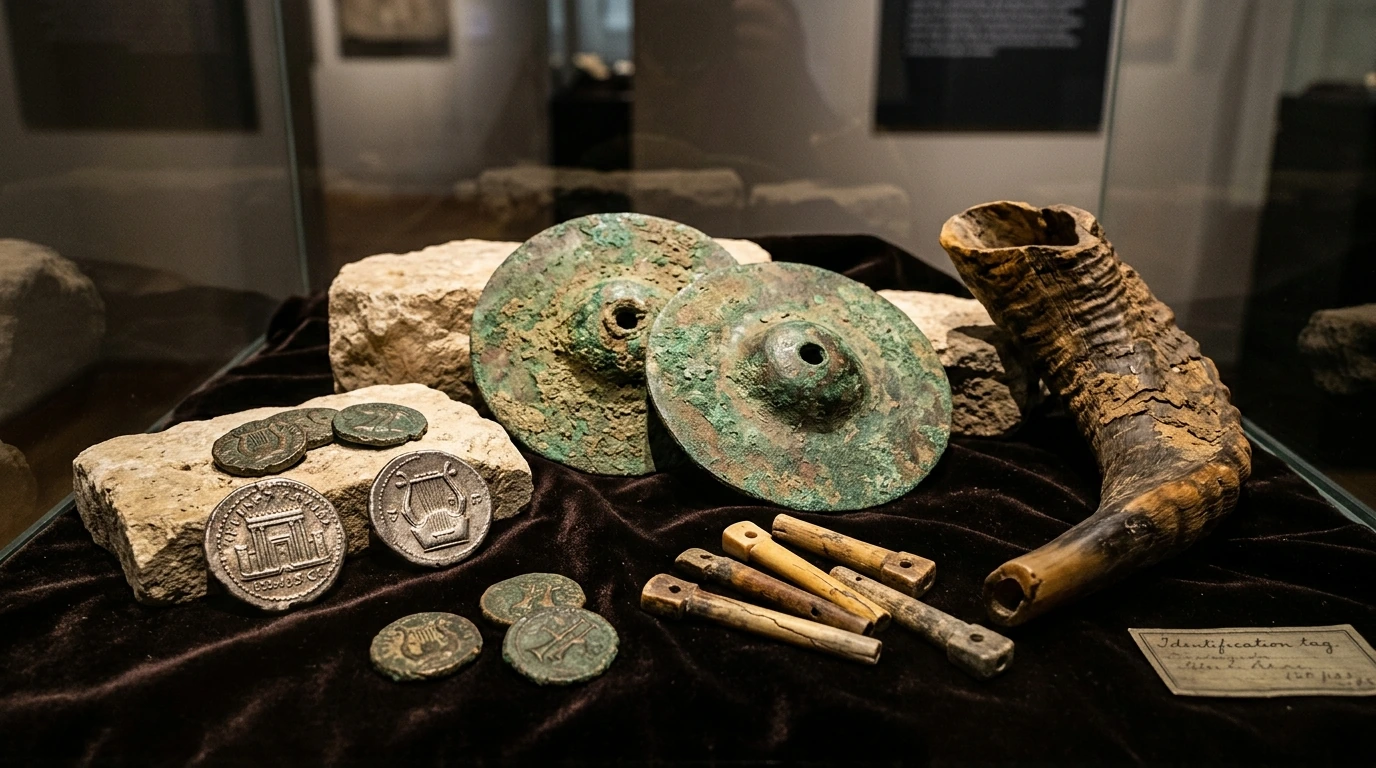
Subject Scope: Biblical Musical Instruments of the Temple: Archaeology of the Kinnor, Nebel, Shofar, and Silver Trumpets
Historical Context: Ancient Near Eastern stratigraphy, Levant archaeological surveys, and Semitic epigraphy.
Primary Evidence: Monumental stelae, bullae seals, ceramic typology, and calibrated AMS radiocarbon determinations.
Investigation Highlights: The Levitical Temple Orchestra: 1 Chronicles 25 and Mishnah Tamid • The Kinnor (David’s Lyre): Numismatics and Megiddo Ivories • The Nebel: The Ten-Stringed Resonant Harp (Nebel Asor)
Scholarly Consensus: Aligned with published excavation reports from leading Near Eastern archaeological institutes.
The Levitical Temple Orchestra: 1 Chronicles 25 and Mishnah Tamid
In the biblical worship of ancient Israel, music was not an informal artistic addition; it was a strictly regulated, sacred institution ordained by King David and the prophets Gad and Nathan (2 Chronicles 29:25).
In the Second Temple of Jesus’ era, the daily morning and evening sacrifices (Tamid) were accompanied by a professional Levitical orchestra and choir that stood upon the twelve curved stone steps separating the Court of the Priests from the Court of Israel:
- The Daily Psalm (Shir shel Yom): As the priests poured out the wine libation upon the altar base, the Levitical choir sang the appointed Psalm of the day (e.g., Psalm 24 on Sunday, Psalm 48 on Monday, Psalm 92 on the Sabbath).
- The Orchestra Composition (Mishnah Arakhin 2:3–6):
- Kinnorot (Lyres): Not fewer than nine, and their number could be increased indefinitely.
- Nevalim (Harps): Not fewer than two, nor more than six.
- Metziltayim (Bronze Cymbals): Exactly one pair, clashed once by the director to cue each stanza.
- Hatzotzrot (Silver Trumpets): Not fewer than two, nor more than 120.
+----------------------------------------------------------------------------------------------------+
|               THE OFFICIAL INSTRUMENTAL INVENTORY OF THE SECOND TEMPLE ORCHESTRA                   |
+--------------------------+-----------------------+-------------------+-----------------------------+
| INSTRUMENT               | HEBREW TERM           | MINIMUM NUMBER    | FUNCTION IN SACRIFICE       |
+--------------------------+-----------------------+-------------------+-----------------------------+
| 1. David's Lyre          | Kinnor                | 9 (Up to unlim.)  | Sweet melodic accompaniment |
| 2. Ten-String Harp       | Nebel                 | 2 (Up to 6 max)   | Deep resonant bass counter  |
| 3. Silver Trumpets       | Hatzotzrot            | 2 (Priests only)  | Blown at libation pauses    |
| 4. Bronze Cymbals        | Metziltayim           | 1 Pair only       | Rhythmic cue for the choir  |
| 5. Ram's Horn            | Shofar                | 1 to 2            | Sabbatical & festival blasts|
+--------------------------+-----------------------+-------------------+-----------------------------+
The Kinnor (David’s Lyre): Numismatics and Megiddo Ivories
The most famous musical instrument in Scripture is the Kinnor, traditionally translated as "harp," but technically classified by organologists as an asymmetrical box lyre:
- Organological Structure: Constructed from two curved wooden arms joined by a wooden crossbar, with a soundbox made of seasoned cypress or sandalwood (almug wood, 1 Kings 10:12).
- Strings: Ranging from five to nine strings made of twisted sheep gut (me'ayim).
- Playing Technique: Played with a polished bone or ivory plectrum (plectron) held in the right hand, while the fingers of the left hand dampened unwanted strings. It produced a clear, sweet, treble melody.
- Archaeological Depictions:
- The Megiddo Ivories (12th Cent. BC): Carved Canaanite ivory plaque showing a female court musician playing an asymmetrical box lyre before an enthroned king.
- Bar Kokhba Coins (AD 132–135): Silver and bronze coins struck by Jewish rebels prominently feature the three-stringed and six-stringed Temple Kinnor, preserving the precise visual profile of the sacred instrument.
The Nebel: The Ten-Stringed Resonant Harp (Nebel Asor)
Contrasted with the delicate Kinnor was the Nebel (Nebel Asor, Psalm 33:2, 144:9):
- Structure: A larger, heavier frame lyre or vertical harp featuring a bulbous, skin-covered soundbox resembling an ancient wine-skin (the Hebrew word nebel literally means a leather container or wine jar).
- The Strings: Strung with ten thick gut strings made from the intestines of large sacrificial animals.
- Sound Profile: Unlike the Kinnor (played with a plectrum), the Nebel was plucked directly with the bare fingers (barehanded), producing deep, warm, resonant bass tones that grounded the choral singing.
Josephus (Antiquities 7.306) provides firsthand 1st-century specifications:
"The Kinnor had ten strings, and was struck with a plectrum; the Nebel had twelve musical notes, and was played with the fingers."
The Wind Instruments: The Shofar and the Silver Trumpets (Hatzotzrot)
The wind instruments of the Temple fulfilled divine commands given at Mount Sinai:
1. The Silver Trumpets (Hatzotzrot, Numbers 10:1–10)
- Fabrication: Commanded by God to Moses to be beaten out of a single solid block of hammered silver (mikshah).
- Design: Long, straight silver tubes measuring approximately 80 centimeters to one meter, ending in a flared bell.
- Priestly Privilege: Blown exclusively by consecrated Aaronite priests, never by common Levites.
- The Arch of Titus Relief: Carved into the triumphal marble arch in Rome (AD 81), the relief sculpture of the spoils of Jerusalem prominently depicts the two long, straight Silver Trumpets of the Temple carried on the shoulders of Roman soldiers alongside the golden Menorah.
2. The Shofar (Ram’s Horn)
- Fabrication: The horn of a kosher male ram (ayil), heated and straightened at the body with a curved, flared tip.
- Liturgical Role: Sounded at the New Year (Rosh Hashanah), the Jubilee year, and during fasts. In the Temple, the shofar’s mouthpiece was overlaid with pure gold (Mishnah Rosh Hashanah 3:3).
+----------------------------------------------------------------------------------------------------+
|               ACOUSTIC COMPARISON: HATZOTZRAH VS. SHOFAR                                           |
+--------------------------+-----------------------+-------------------+-----------------------------+
| INSTRUMENT               | MATERIAL              | BLAST TYPES       | PRIMARY OCCASION            |
+--------------------------+-----------------------+-------------------+-----------------------------+
| 1. Hatzotzrah (Trumpet)  | Solid Hammered Silver | Tekiah, Teruah,   | Daily sacrifices, feasts,   |
|                          |                       | Tekiah Gedolah    | war signals (Numbers 10)    |
| 2. Shofar (Horn)         | Curved Ram's Horn     | Tekiah, Shevarim, | Yom Teruah, Yom Kippur,     |
|                          | (Gold-tipped in Temp.)| Teruah, Gedolah   | Fast days, Sabbath warning  |
+--------------------------+-----------------------+-------------------+-----------------------------+
The Southwestern Corner: The "To the Place of Trumpeting" Stone
In the late 1960s, during Benjamin Mazar’s excavations below the southwestern corner of the Temple Mount, archaeologists made one of the most stunning epigraphic discoveries in biblical history:
- The Inscribed Stone: A colossal, finely chiseled limestone parapet block weighing several tons was found smashed on the 1st-century paved street, having been toppled from the very pinnacle of the Temple Mount by Roman soldiers in AD 70.
- The Hebrew Inscription: Chiseled deeply in elegant Second Temple monumental Hebrew:
לְבֵית הַתְּקִיעָה לְהַבְ[דִּיל] — "L'beit HaTekiah L'hav[dil]" — "To the Place of Trumpeting to dec[lare/distinguish]..."
This inscribed stone marked the exact platform atop the southwestern corner tower where a priest stood each Friday afternoon, looking out over the city of Jerusalem. Sounding the silver trumpet and shofar across the rooftops, he blew three long blasts to announce the cessation of all labor and the arrival of the sacred Sabbath!
Three-Tier Evidentiary Evaluation: Organological Artifacts
+----------------------------------------------------------------------------------------------------+
|               THREE-TIER EVIDENTIARY AUDIT: BIBLICAL MUSICAL ARTIFACTS                             |
+--------------------------+-----------------------+-------------------+-----------------------------+
| ARTIFACT / FIND          | LOCATION / EXCAVATION | CHRONOLOGY        | EVIDENTIARY VALUE           |
+--------------------------+-----------------------+-------------------+-----------------------------+
| 1. "Place of Trumpeting" | Southwest Corner      | Herodian Period   | Exact platform where sacred |
|    Inscribed Parapet     | (Benjamin Mazar, IAA) | (Pre-AD 70)       | trumpets were sounded       |
| 2. Arch of Titus Reliefs | Forum Romanum, Rome   | AD 81             | Visual contemporary proof   |
|    (Silver Trumpets)     | (Emperor Domitian)    | (Imperial Roman)  | of straight Temple trumpets |
| 3. Bar Kokhba Silver     | Judean Desert Caves   | AD 132–135        | Epigraphic numismatic       |
|    Coins (Kinnor Lyres)  | (Yigael Yadin)        | (Rebel Minting)   | portraits of Temple lyres   |
| 4. Bronze Temple Cymbals | Hazor and Jerusalem   | Iron Age–Second T.| Authentic clashing bronze   |
|    (Metziltayim Plates)  | (IAA Collection)      | (Excavated pairs) | percussion instruments      |
+--------------------------+-----------------------+-------------------+-----------------------------+
Frequently Asked Questions
Did Jesus ever hear the Temple orchestra?
Yes! Jesus visited the Temple in Jerusalem multiple times during the major pilgrimage feasts (Passover, Sukkot, Hanukkah). Standing in the Court of the Women or walking Solomon’s Portico during the morning sacrifice, Jesus heard the Levitical choir singing the Psalms accompanied by the Kinnorot, Nevalim, and silver trumpets.
Were musical instruments used in the local synagogue?
No. In 1st-century synagogues, instrumental music was strictly prohibited; worship consisted exclusively of the reading of the Torah, the Prophets (Haftarah), teaching, and unaccompanied vocal prayer and chanting. Instrumental orchestras were reserved exclusively for the altar sacrifices on the Temple Mount.
What happened to the silver trumpets after AD 70?
Following the sack of Jerusalem, the two silver trumpets and the golden Menorah were carried to Rome in Emperor Vespasian and Titus’s triumphal procession. They were placed on public display in the magnificent Temple of Peace (Templum Pacis) in Rome, which burned down in AD 192. Subsequent historical accounts suggest the sacred spoils were seized by the Vandals during the sack of Rome in AD 455.
What did the sound of the Kinnor resemble in modern terms?
The Kinnor was an acoustic stringed instrument producing a bright, plucked timbre closely resembling a classical lute, an acoustic mandolin, or a Celtic harp, lacking heavy bass frequencies but rich in clear, piercing harmonics.
Primary Sources & Scholarly Archives
Editorial Standard →Official archaeological field reports, certified stratigraphy surveys, and Semitic epigraphy catalogs.
Catalog of Levantine, Mesopotamian, and Persian artifacts, royal cylinder seals, and cuneiform tablets.
Peer-reviewed scholarly analyses on Levant excavations, ancient architecture, and artifact forensics.
Frequently Asked Questions
Did Jesus ever hear the Temple orchestra?
Yes. During His visits to Jerusalem feasts, Jesus regularly heard the Levites singing Psalms to Kinnorot, Nevalim, and silver trumpets.
Were musical instruments used in local synagogues?
No. Synagogues relied exclusively on unaccompanied vocal chanting and prayer; instrumental music was restricted to the Temple altar.
What happened to the silver trumpets after AD 70?
They were displayed in Rome’s Temple of Peace, depicted on the Arch of Titus, and later carried off during the Vandal sack in AD 455.
What did the sound of the Kinnor resemble?
The Kinnor produced a bright, plucked, harmonic tone similar to an ancient lute, mandolin, or acoustic classical Celtic harp.
Related Research Dossiers
View all 515 research dossiers →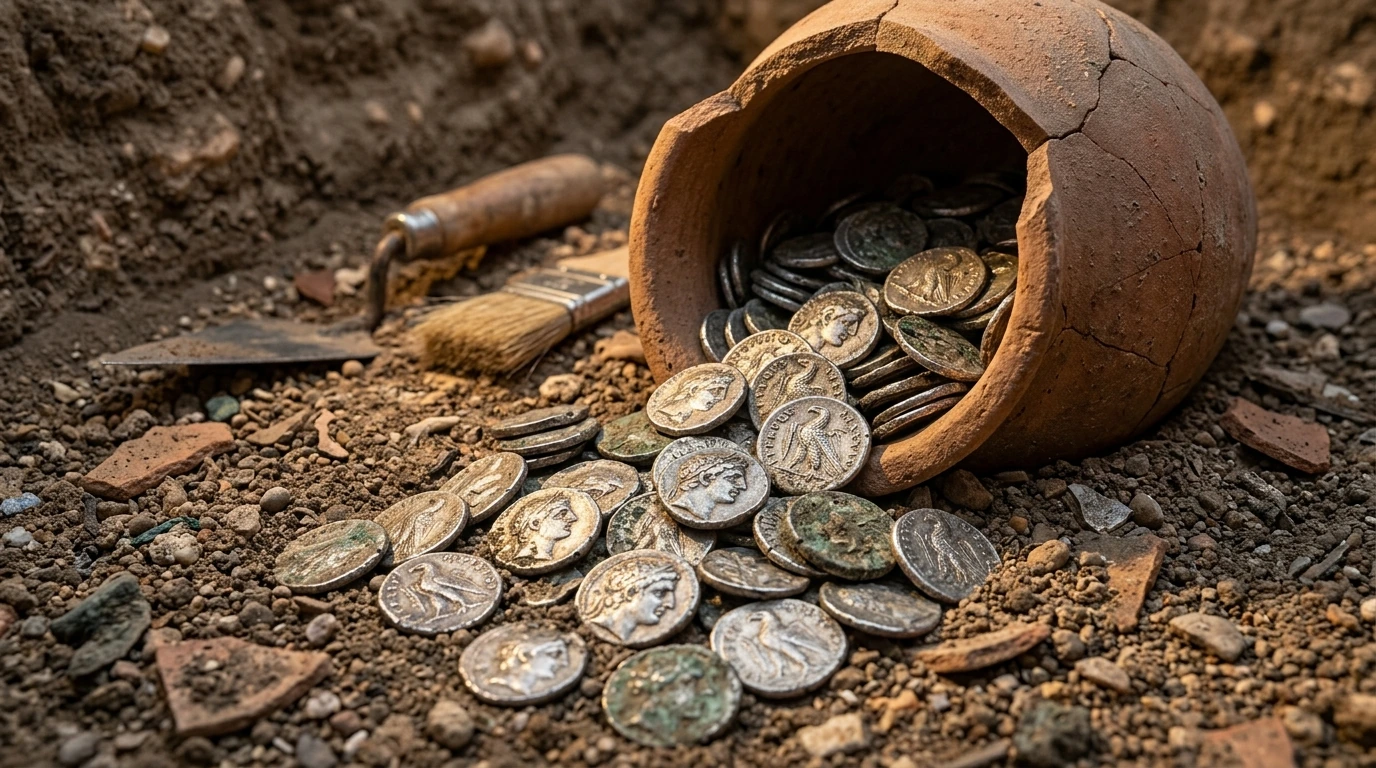
The Tyrian Shekel, Temple Tax, and the 30 Pieces of Silver: Numismatics, Matthew 26, and Judas’s Betrayal
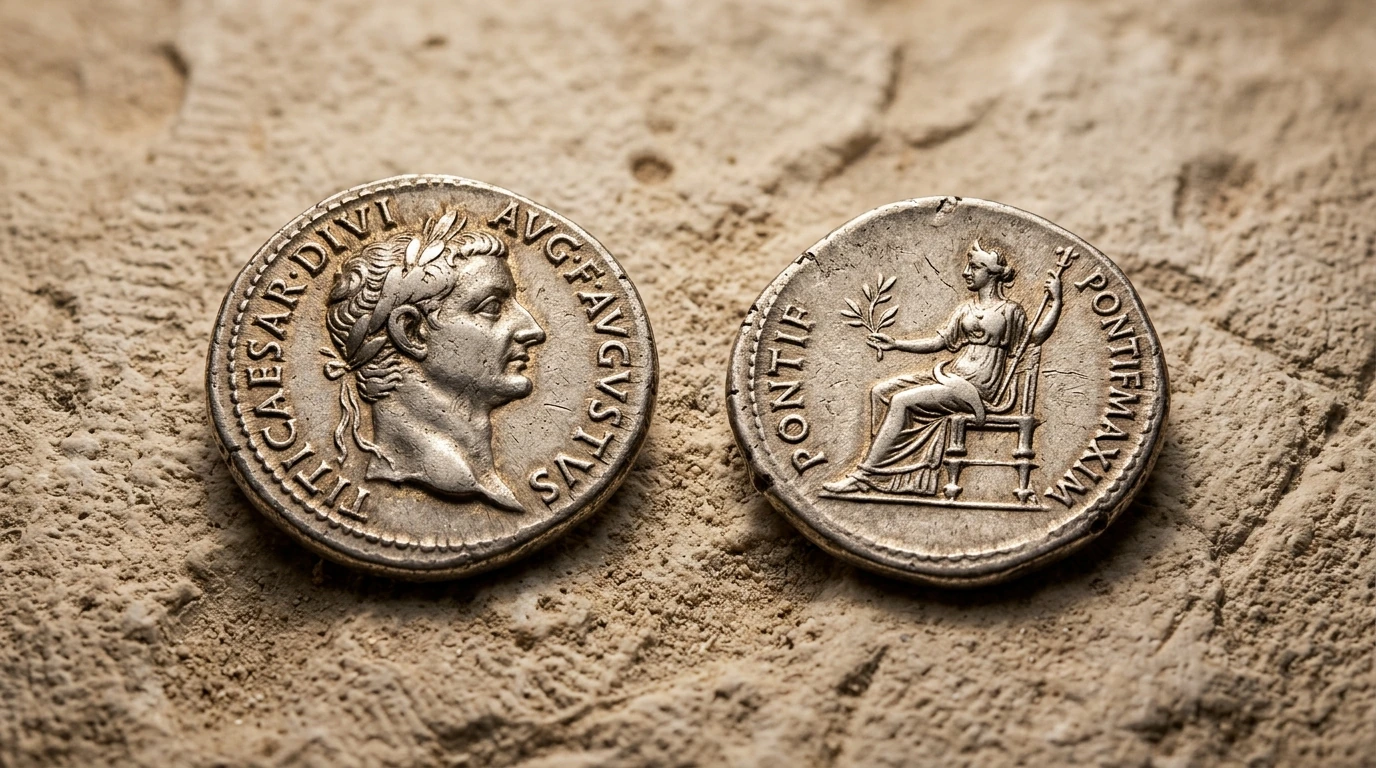
Render to Caesar: The Tribute Penny, Tiberius Denarius, and Mark 12 in Primary Roman Numismatic Sources
