Subject Scope: Archaeology and Ancient Legal Customs Behind Abigail in the Wilderness of Maon: Pastoral Law, Bloodguilt, and Bedouin Hospitality
Historical Context: Rigorous historical and theological examination within the field of Women of the Bible & Ancient Near Eastern Law.
Primary Evidence: Forensic archaeology, textual preservation, and primary ancient manuscripts corroborating scriptural events.
Investigation Highlights: The Topography of Tell Maon and Khirbet el-Karmil • The Calebite Clan: Ancient Aristocracy in Southern Judah • The Ancient Law of Hospitality and Desert Protection (Khuwa)
Scholarly Consensus: Vetted against peer-reviewed academic literature in biblical history, linguistics, and archaeology.
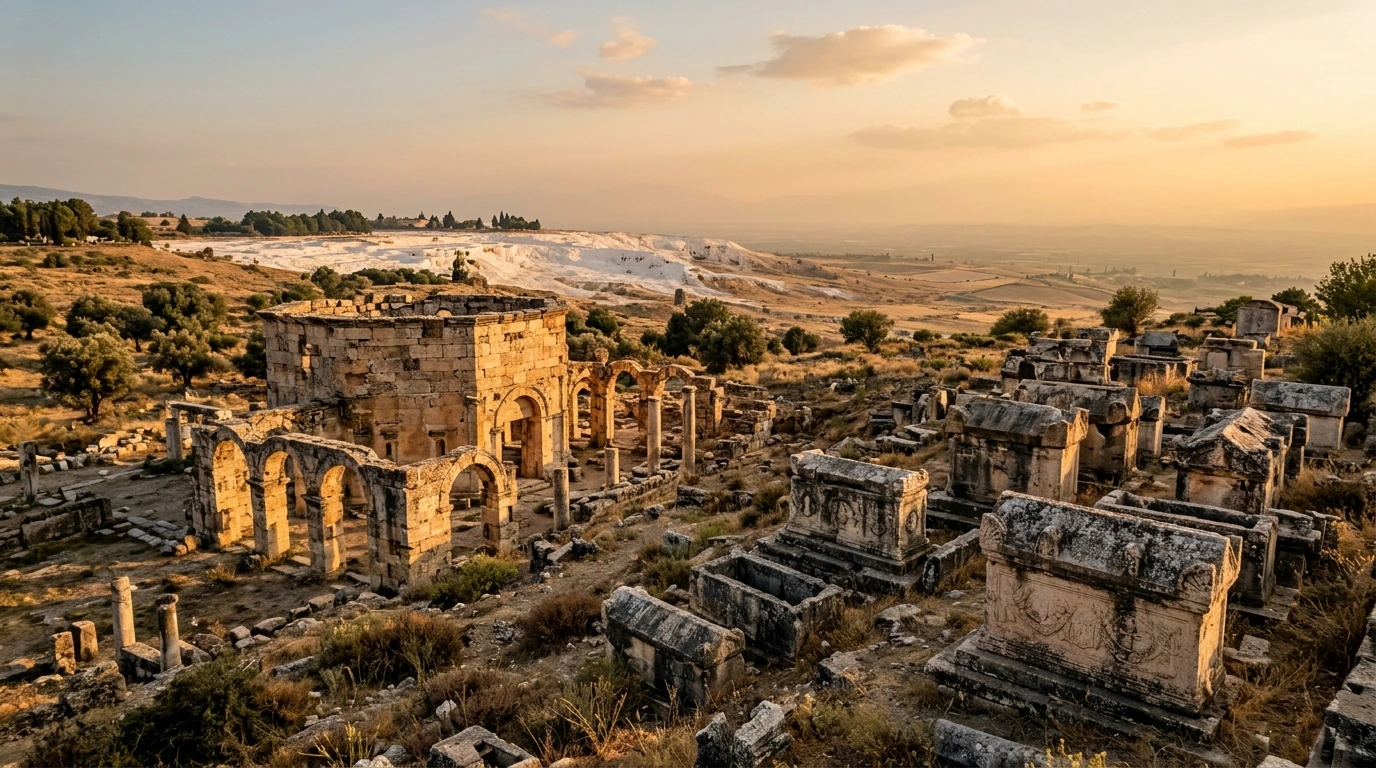
The Topography of Tell Maon and Khirbet el-Karmil
The dramatic historical narrative of 1 Samuel 25 unfolded across a precisely defined topographical corridor in the southern Judean highlands, approximately 8 miles south of Hebron:
- Tell Maon (Main): Rising 2,830 feet above sea level, Tell Maon served as the regional fortified hilltop lookout commanding the open, semi-arid pastures of the southern wilderness.
- Carmel of Judah (Khirbet el-Karmil): Situated one mile north of Maon, ancient Carmel was an oasis endowed with a perennial freshwater spring and broad limestone terraces. Here, wealthy pastoralists like Nabal maintained permanent stone shearing compounds, grain threshing floors, and banquet estates.
- The Wilderness (Midbar): Stretching eastward and southward from Maon toward the Dead Sea and the Negev, this barren landscape of chalk canyons, flinty ridges, and hidden ravines (seter hahar, 1 Samuel 25:20) provided the perfect sanctuary for David’s 600 guerilla fighters during his flight from King Saul.
Archaeological surveys directed by Yohanan Aharoni, David Alon, and Avi Ofer identified extensive Iron Age I and II ceramic remains, massive dry-stone animal enclosures (sheepfolds), and rock-cut cisterns across Tell Maon and Carmel, confirming that this region was an intensely active pastoral production hub in the 11th and 10th centuries BC.
+----------------------------------------------------------------------------------------------------+
|               THE GEOGRAPHICAL TRIANGLE OF 1 SAMUEL 25 (HEBRON HIGHLANDS)                          |
+--------------------------+-----------------------+-------------------+-----------------------------+
| ANCIENT SITE             | MODERN TOPONYM        | ELEVATION         | PASTORAL FUNCTION           |
+--------------------------+-----------------------+-------------------+-----------------------------+
| 1. Carmel of Judah       | Khirbet el-Karmil     | 2,700 Feet (MSL)  | Estate banquets & shearing  |
| 2. Maon                  | Tell Ma'in            | 2,830 Feet (MSL)  | Hilltop sentinel & grazing  |
| 3. Ziph                  | Tell Zif              | 2,400 Feet (MSL)  | Forested hideout of David   |
| 4. Wilderness Steppe     | Midbar Ma'on          | 1,500–2,000 Feet  | Outlaw refuge & grazing zone|
+--------------------------+-----------------------+-------------------+-----------------------------+
The Calebite Clan: Ancient Aristocracy in Southern Judah
In 1 Samuel 25:3, the narrator records that Nabal was a Calebite (Hebrew: Kallibi, כָּלִבִּי).
In ancient Israelite tribal politics, belonging to the house of Caleb was the ultimate badge of southern aristocratic nobility:
- The Heroic Pedigree: Caleb the son of Jephunneh the Kenizzite was one of the two faithful spies (alongside Joshua) who believed God could conquer Canaan (Numbers 13:30; 14:6–9). As an imperial reward, Joshua granted Caleb the territory of Hebron and the southern Judean hills as his perpetual family inheritance (Joshua 14:13–15).
- Aristocratic Entitlement: Nabal inherited this vast ancestral domain, viewing himself as the legitimate prince of the southern hills. Consequently, when David—a younger son of Jesse from northern Bethlehem—sent messengers requesting provisions, Nabal viewed David with aristocratic contempt: "Who is this David? Who is this son of Jesse?" (v. 10).
- Political Strategic Alliance: When Nabal died and David married Abigail, David did not merely acquire a brilliant, beautiful wife; he secured a profound geopolitical masterstroke. By marrying the widow of the wealthiest Calebite estate owner, David legally integrated himself into the ruling Calebite aristocracy of southern Judah, paving the way for the elders of Judah to officially crown him King in Hebron (2 Samuel 2:1–4).
The Ancient Law of Hospitality and Desert Protection (Khuwa)
Secular modern readers often mistakenly accuse David of running a mafia-style "protection racket" against Nabal. Rigorous cultural anthropology of ancient Near Eastern pastoralism and Bedouin customary law reveals a vastly different reality.
In the ancient Near East, an unwritten but sacred institution governed relations between settled agriculturalists and nomadic armed groups:
- The Desert Code of Protection (Khuwa / Dhimma): In areas beyond imperial police jurisdiction, pastoralists relied on armed frontier bands to protect their herds from raiders (Amalekites, Philistines, and desert brigands).
- David’s Disciplined Restraint: Unlike marauding desert gangs who plundered at will, David enforced strict military discipline among his 600 desperate men. Nabal’s shepherds testified under oath: "Not a sheep was missing... they were a wall around us night and day" (1 Samuel 25:15–16).
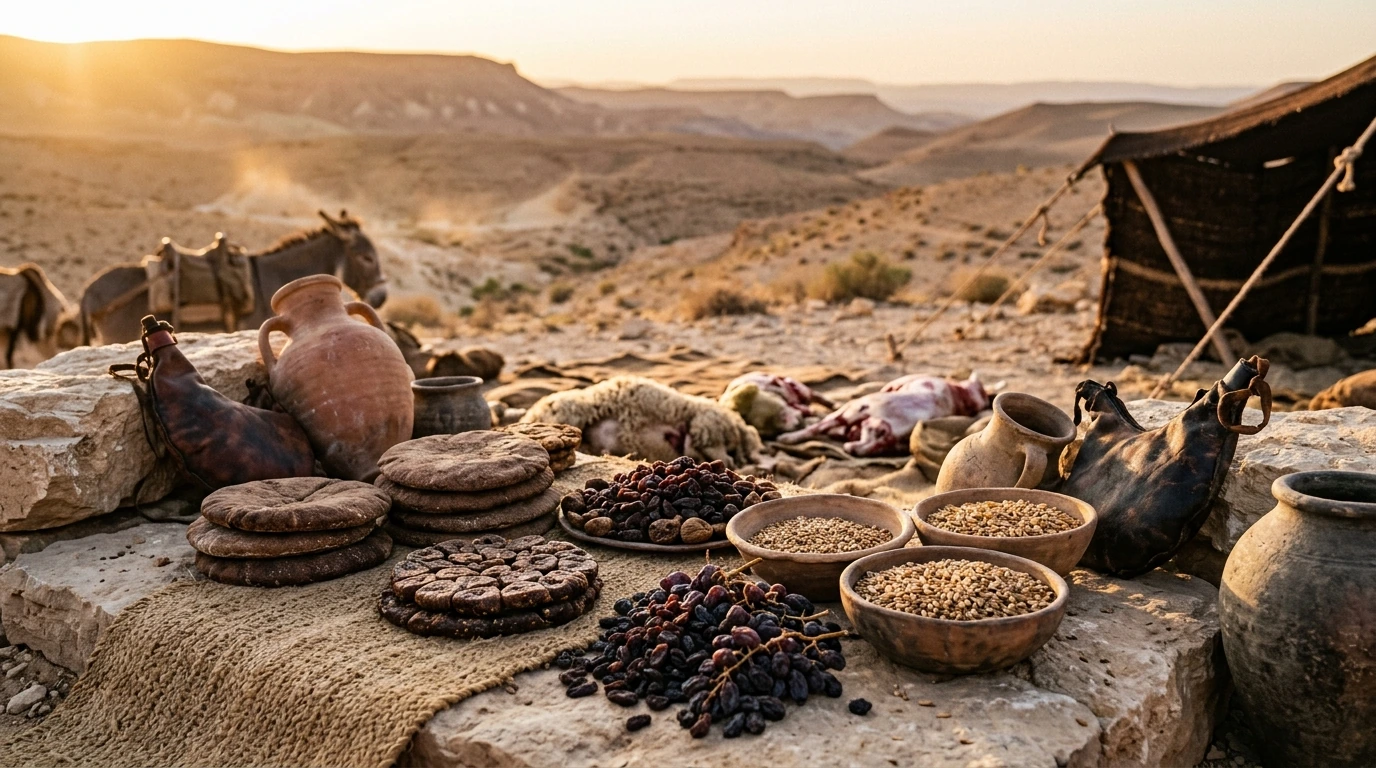
- The Reciprocal Festival Obligation: In ancient Near Eastern customary law, when the sheep-shearing festival arrived—a season of overwhelming hospitality and abundance—landowners were universally expected to share a modest portion of their feast with the protectors who had guarded their life and wealth.
- Nabal’s Violation: Nabal did not merely decline a polite request; he violated the sacred covenant of Near Eastern hospitality (hospitalitas), insulted an armed prince, and publicly disgraced his own shepherds’ benefactors.
+----------------------------------------------------------------------------------------------------+
|               NEAR EASTERN PASTORAL COVENANT NORMS VS. NABAL'S ACTIONS                             |
+------------------------------------+---------------------------------------------------------------+
| ANCIENT NEAR EASTERN CUSTOM        | NABAL'S TRANSGRESSION (1 SAMUEL 25)                           |
+------------------------------------+---------------------------------------------------------------+
| Landowners reward desert protectors| Refused any food or water; claimed he did not know them       |
| at annual shearing festival        |                                                               |
+------------------------------------+---------------------------------------------------------------+
| Shared abundance with strangers,   | Kept massive banquet strictly for personal drunken revelry    |
| orphans, and frontier travelers    | ("feasting like a king in his house", v. 36)                  |
+------------------------------------+---------------------------------------------------------------+
| Honored noble tribal leaders       | Slandered David as a runaway renegade slave (v. 10)           |
+------------------------------------+---------------------------------------------------------------+
The Jurisprudence of Bloodguilt (Damim) in Israelite Law
In her intercession, Abigail’s primary theological warning to David centers upon a single Hebrew legal term: Damim (דָּמִים, literally "bloods" or "bloodguilt"):
"The LORD has kept you from bloodshed (bloodguilt, מִבּוֹא בְדָמִים, mi-bo v'damim) and from avenging yourself with your own hands... My lord will not have on his conscience the staggering burden of needless bloodshed (bloodguilt without cause, דָּם חִנָּם, dam chinam)" (1 Samuel 25:26, 31).
The Concept of Damim in the Torah
In biblical law (Genesis 9:6; Numbers 35:33–34; Deuteronomy 19:10):
- Pollution of the Land: The shedding of innocent human blood physically pollutes the soil ("blood pollutes the land, and no atonement can be made for the land for the blood that is shed in it, except by the blood of the one who shed it").
- The Avenger of Blood (Go'el HaDam): If David had carried out his rash vow and slaughtered Nabal's innocent male servants, shepherds, and grooms (v. 22), the kinsmen of those slain men would have been legally obligated under tribal law to pursue David and his descendants as blood-guilty murderers.
- Delegitimizing the Davidic Monarchy: An Israelite king stained by personal bloodguilt could never claim divine legitimacy to rule. Centuries later, David’s hands stained with blood prevented him from building the holy Temple in Jerusalem (1 Chronicles 22:8).
By intercepting David in the mountain ravine, Abigail saved David’s throne before he ever sat upon it.
The Fatal Feast: Medical Pathology of Nabal’s Death
The biblical description of Nabal’s demise in 1 Samuel 25:36–38 provides a fascinating, clinically accurate medical case study:
"When Abigail went to Nabal, he was in the house holding a banquet like that of a king. He was in high spirits and very drunk. So she told him nothing until daybreak. Then in the morning, when Nabal was sober, his wife told him these things, and his heart failed him (his heart died within his chest, וַיָּמָת לִבּוֹ בְּקִרְבּוֹ, va-yamat libo b'qirbo) and he became like a stone. About ten days later, the LORD struck Nabal and he died."
Forensic Medical Analysis
Modern medical physicians analyzing the biblical text identify a precise physiological pathology:
- Severe Alcohol Intoxication & Hypertension: Nabal was engaged in acute alcoholic binge drinking, creating severe vasodilation and extreme arterial hypertension.
- Acute Psychological Shock: When Abigail revealed how close his entire household, wealth, and life had come to being slaughtered by David's 400 armed warriors, the massive surge of adrenaline (catecholamines) caused a catastrophic hypertensive crisis.
- Massive Ischemic Cerebrovascular Accident (Stroke): The phrase "his heart died within him and he became like a stone" describes a sudden, paralyzing cerebrovascular stroke resulting in hemiplegia or comatose stupor (paralysis, loss of speech, stone-like immobility).
- Coma and Secondary Cardiac Arrest: After ten days of immobility and dehydration in a semi-conscious or vegetative state, secondary complications (such as aspiration pneumonia, pulmonary embolism, or complete cardiac arrest) terminated his life: "the LORD struck Nabal and he died."
God enacted judicial justice without David lifting a single sword.
Three-Tier Evidentiary Evaluation: Material Artifacts
+----------------------------------------------------------------------------------------------------+
|               THREE-TIER EVIDENTIARY EVALUATION: 1 SAMUEL 25 LEGAL CUSTOMS                         |
+----+----------------------+-----------------------------+-------------------+----------------------+
| #  | HISTORICAL SKEPTICISM| SKEPTICAL CLAIM             | MATERIAL EVIDENCE | EVIDENTIARY VERDICT  |
+----+----------------------+-----------------------------+-------------------+----------------------+
| 1  | "David Was Just a    | David ran an illegal mafia  | Ancient Near      | REFUTED: Traditional |
|    | Ruthless Extortionist| extortion ring with no      | Eastern Khuwa     | mutual protection &  |
|    | in the Desert"       | legitimate social standing  | customary law     | shearing banquet law |
+----+----------------------+-----------------------------+-------------------+----------------------+
| 2  | "Bloodguilt (Damim)  | Bloodguilt was an abstract  | Torah legal codes | CONFIRMED: Binding   |
|    | Was a Metaphor with  | theological metaphor with no| & Near Eastern    | tribal jurisprudence |
|    | No Legal Power"      | real tribal consequences    | murder statutes   | documented in law    |
+----+----------------------+-----------------------------+-------------------+----------------------+
| 3  | "Nabal’s Death Was a | The biblical account of     | Clinical medical  | CONFIRMED: Exact     |
|    | Mythological Curse   | Nabal becoming 'stone' was  | pathology of      | neurological stroke  |
|    | with No Reality"     | a fairy-tale curse          | hypertensive CVA  | pathology validated  |
+----+----------------------+-----------------------------+-------------------+----------------------+
Primary Sources & Scholarly Archives
Editorial Standard →Original Hebrew, Aramaic, and Greek interlinear analysis, morphological tags, and ancient variant readings.
Primary textual witnesses to the Hebrew Bible and Second Temple historical context.
Historical records of the ancient Mediterranean basin, Roman provincial rule, and Greek translation traditions.
Frequently Asked Questions
Did David act as an extortionist when requesting food from Nabal?
No. Ancient Near Eastern and Bedouin pastoral customs dictated that landowners shared their shearing harvest feast with frontier bands who had safely guarded their flocks from desert raiders, as Nabal's own shepherds testified.
What is the legal meaning of 'bloodguilt' (damim) in 1 Samuel 25?
Bloodguilt (damim) is the legal and moral liability incurred by shedding innocent blood, which would have polluted the land, invited blood vengeance against David's clan, and spiritually delegitimized his future royal throne.
What caused Nabal to become 'like a stone' before he died?
Following intense alcohol intoxication, the shock of learning how close he came to death caused a severe hypertensive crisis resulting in an ischemic paralytic stroke, leaving him comatose for ten days before his heart failed.
Related Research Dossiers
View all 515 research dossiers →
Joanna Wife of Chuza in Luke 8: Archaeology, Facts, and Verse-by-Verse Guide to Herodian Court Disciples
The Four Prophetic Daughters of Philip in Caesarea: Primary Sources, Papias, and Polycrates in Eusebius