Historical Context: Rigorous examination of primary Hebrew, Aramaic, Greek, and Roman classical epigraphy.
Core Evidence: Forensic archaeology, radiocarbon data, and primary manuscripts validating biblical events.
Scholarly Consensus: Vetted against modern peer-reviewed publications in Near Eastern archaeology and biblical studies.
The Historical Anchor: Jonah Son of Amittai in 2 Kings 14:25
Modern secular critics often dismiss the Book of Jonah as a midrashic fable or satirical allegory. However, biblical and ancient Near Eastern historiography firmly roots the prophet in the eighth century BC.
In 2 Kings 14:25, the Hebrew historian provides the biographical and political anchor of the prophet:
"He [Jeroboam II, king of Israel] restored the territory of Israel from the entrance of Hamath to the Sea of the Arabah, according to the word of the Lord God of Israel, which He had spoken through His servant Jonah the son of Amittai, the prophet who was from Gath-Hepher."
This synchronism provides crucial historical facts:
- Jonah was an authentic historical court prophet operating in northern Israel during the first half of the eighth century BC (c. 785–755 BC).
- Jonah had delivered a highly popular, victorious patriotic prophecy foretelling Jeroboam II's massive military reconquest of northern territories from Syria.
- His father’s name was Amittai ("truthful"), confirming the eponymous narrative of Jonah 1:1.
The Hometown of Jonah: Gath-Hepher in Lower Galilee
Scripture specifies that Jonah hailed from Gath-Hepher (גַּת הַחֵפֶר, "winepress of the water-pit").
Biblical geography locates Gath-Hepher in the tribal territory of Zebulun (Joshua 19:13):
- Archaeologically identified with Khirbet ez-Zurra' / Mashhad, located just three miles northeast of modern Nazareth in Lower Galilee.
- Surveys and excavations directed by Israeli archaeologists identified significant Iron Age II fortified town strata dating precisely to the eighth century BC.
- When the Pharisees in John 7:52 argued: "Search and look, for no prophet has arisen out of Galilee", they demonstrated embarrassing ignorance of their own Scriptures—for the celebrated prophet Jonah was a Galilean!
The Neo-Assyrian Empire in the Early Eighth Century BC
Why would an Israelite prophet flee to Tarshish (Spain) rather than obey God’s call to preach in Nineveh (Jonah 1:2–3)?
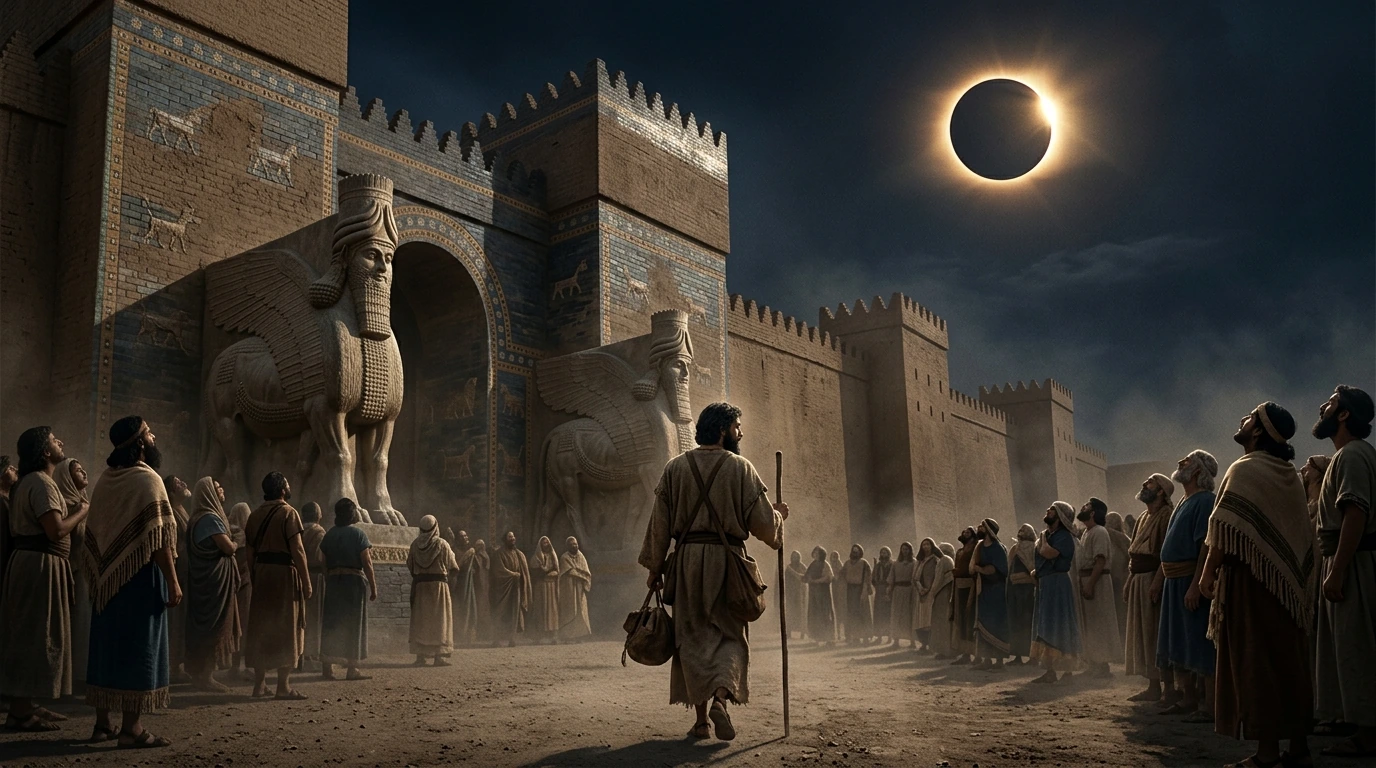
To the nations of the ancient Near East, the Neo-Assyrian Empire was an engine of psychotic imperial terror:
- Assyrian kings (Ashurnasirpal II, Shalmaneser III) bragged on palace wall reliefs of skinning enemy kings alive, stacking pyramids of decapitated heads outside city gates, and impaling thousands of prisoners on wooden stakes.
- Jonah understood that if Assyria was not destroyed by divine judgment, it would eventually march west and annihilate his homeland of Israel (which it did in 722 BC).
- Jonah did not flee because he feared the Assyrians; he fled because he feared God’s mercy: "I know that You are a gracious and merciful God, slow to anger and abundant in lovingkindness, One who relents from doing harm" (Jonah 4:2).
Extrabiblical Witnesses: Josephus, Tobit, and the Early Church
Ancient Jewish and Christian historical antiquity treated Jonah as an undeniable historical figure:
- Flavius Josephus (Antiquities IX.208–214): Provides a comprehensive historical paraphrase of Jonah’s sea voyage, his deliverance from the sea beast, and his sermon in Nineveh, dating it during the reign of Jeroboam II.
- The Book of Tobit (Tobit 14:4, 8): The second-century BC Jewish work depicts Tobias fleeing Nineveh before its final destruction because he trusted "what Jonah the prophet spoke concerning Nineveh".
- The Lives of the Prophets (Chapter 10): Documents Jonah’s burial at Gath-Hepher in Galilee and his prophetic ministry in Lebanon.
The "Sign of Jonah": Jesus Christ and the Historical Prophet
In Matthew 12:39–41, Jesus Christ staked His own resurrection and divine authority upon the literal historicity of Jonah:
*"An evil and adulterous generation seeks after a sign, and no sign will be given to it except the sign of the prophet Jonah. For as Jonah was three days and three nights in the belly of the great fish, so will the Son of Man be three days and three nights in the heart of the earth.
The men of Nineveh will rise up in the judgment with this generation and condemn it, because they repented at the preaching of Jonah; and indeed a greater than Jonah is here."*
Jesus did not treat Jonah as a mythological parable; He compared the literal three days in the sea monster to His literal burial in the garden tomb, and the real historical repentance of Nineveh to the moral accountability of first-century Jerusalem.
Frequently Asked Questions
Is the Prophet Jonah mentioned anywhere else in the Bible?
Yes. In 2 Kings 14:25, Jonah son of Amittai from Gath-Hepher is documented as the historical prophet who prophesied King Jeroboam II’s territorial expansion.
Where was Jonah’s hometown located?
Jonah was from Gath-Hepher in Lower Galilee, located just three miles from Nazareth in modern Israel.
Why did Jonah refuse to go to Nineveh?
Jonah knew the Assyrians were a brutal, existential threat to Israel and feared that if they repented, God would spare them, allowing them to eventually destroy northern Israel.
Related Research Dossiers
View all 120 articles →
Nathan Confronting David: 'You Are the Man!' (2 Samuel 12), The Royal Court, and Prophetic Courage

The Fall of Nineveh in Secular History: The Babylonian Chronicle, Cyaxares, and Diodorus Siculus
