Historical Context: Rigorous examination of primary Hebrew, Aramaic, Greek, and Roman classical epigraphy.
Core Evidence: Forensic archaeology, radiocarbon data, and primary manuscripts validating biblical events.
Scholarly Consensus: Vetted against modern peer-reviewed publications in Near Eastern archaeology and biblical studies.
The Architecture of Iron Age II Bench Tombs
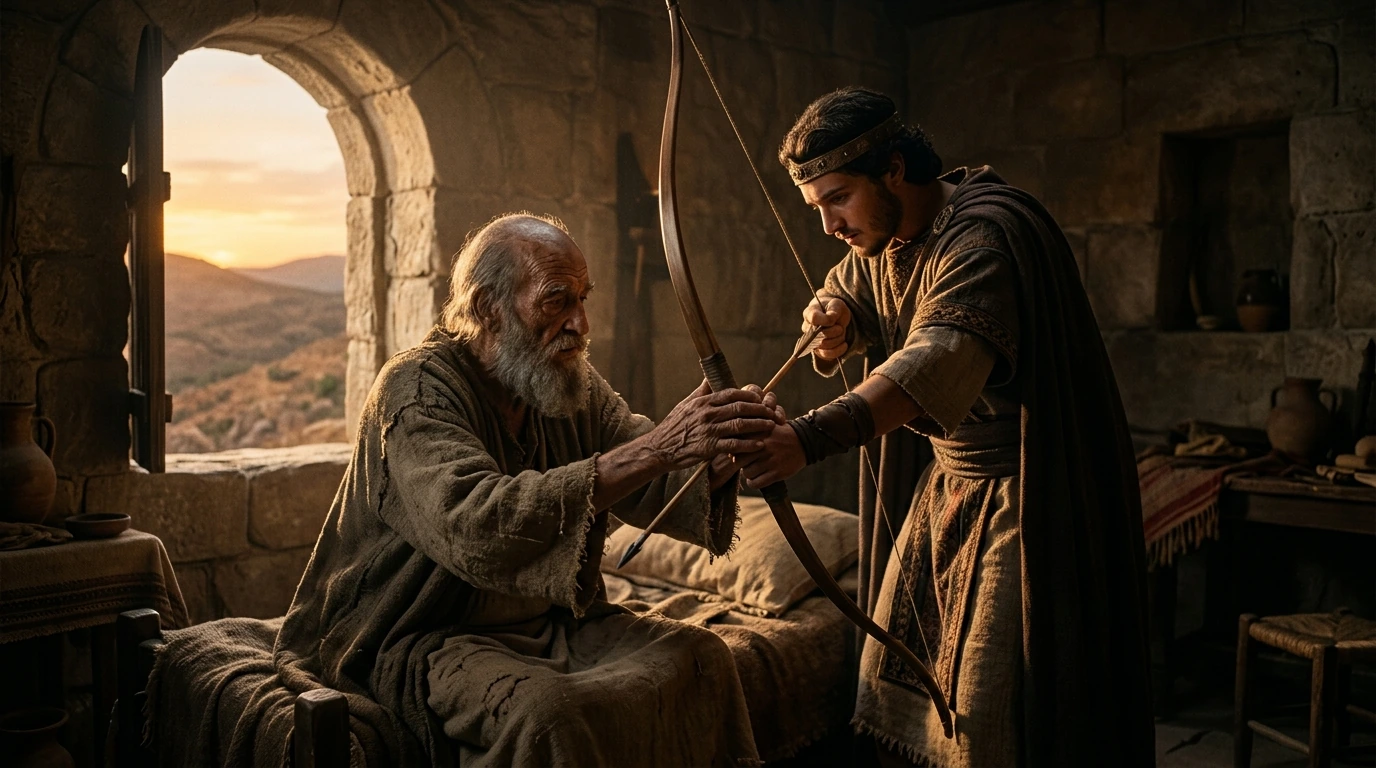
The miracle recorded in 2 Kings 13:20–21—where a dead man was cast into Elisha's tomb and revived upon touching his bones—presupposes the exact architectural reality of Iron Age II rock-hewn bench tombs excavated throughout ancient Israel and Judah.
Archaeological excavations at Samaria, Megiddo, Beth-Shean, and Ketef Hinnom demonstrate the standardized layout of eighth-century BC family burial caves:
- The Entrance Shaft: A small, low rectangular opening carved into the limestone hillside, sealed with a massive upright blocking stone (golal).
- The Central Chamber: A square rock-cut room with standing space for the family mourners.
- The Burial Benches: Three rock-cut benches (kline) projecting from the side and rear walls, often featuring carved headrests shaped like Egyptian head cradles or horse-shoe cushions.
- Primary Interment: When an individual died, their corpse was wrapped in linen shrouds and laid out flat upon the rock bench alongside personal pottery vessels (juglets of scented oil and bowls of food).
When the burial party in 2 Kings 13 was ambushed by Moabite raiders, Elisha's tomb was already open or easily unsealed, allowing them to rapidly slide the corpse inside.
The Repository (Maasefah): Bone Gathering in Antiquity
Beneath or adjacent to the rock benches, Iron Age tombs featured a subterranean pit carved into the floor, known archaeologically as the repository (ma’asefah):
- After a body had decayed into a skeleton (typically one year after death), the family cleared the bench for future deceased relatives.
- The dry bones were gathered and placed into the ma’asefah, mingling the skeletal remains of great-grandparents, parents, and children together.
This physical practice was the origin of the recurring biblical phrase: "He slept with his fathers and was gathered to his people" (Genesis 25:8; 1 Kings 2:10).
When the frightened mourners threw the corpse into Elisha's tomb, the body fell directly into this bone repository, making immediate physical contact with the prophet's dry skeleton.
The Theology of Relics in Ancient Israel
A common question among theological scholars is: Did ancient Israel practice the veneration of relics?
In strict Mosaic legislation, human corpses and bones were sources of severe ritual contamination (tumat met, Numbers 19:11). Touching a corpse made an Israelite ritually unclean for seven days.
Therefore, the miracle of Elisha's bones was shocking:
- In normal circumstances, death defiles the living.
- But in Elisha’s case, the life-giving power of Yahweh residing in the prophet’s mortal remains was so potent that holiness swallowed up death.
- The miracle was not an endorsement of magic or talismanic relics; it was a divine validation that the Holy Spirit's power operating through the Word of God transcends physical death itself.
Samaria During the Reign of King Jehoash and Jeroboam II
Elisha’s posthumous miracle occurred at the turning point of northern Israel’s geopolitical history:
- Under King Jehoahaz, the Syrian empire of Hazael had decimated the Israelite military, leaving Israel with only 50 horsemen, 10 chariots, and 10,000 foot soldiers (2 Kings 13:7).
- Following Elisha’s death and the symbolic arrow shot eastward, King Jehoash recaptured the lost cities from Hazael’s son Ben-Hadad III in three successive campaigns.
- His successor, Jeroboam II (793–753 BC), expanded Israel’s borders from the entrance of Hamath in Syria down to the Sea of the Arabah (Dead Sea, 2 Kings 14:25), ushering in the golden age of ivory palaces in Samaria.
The dead man rising from Elisha's tomb was a living parable: God was reviving the dying nation of Israel from the brink of extinction.
Frequently Asked Questions
How did Iron Age tombs work in biblical Samaria?
They were family caves cut into rock with stone benches where bodies decomposed, after which the dry bones were swept into a subterranean pit repository.
Why didn’t the dead body cause ritual uncleanness?
While corpses normally caused defilement under biblical law, God demonstrated that His resurrecting power transcended ritual law by bringing the dead man instantly back to life.
What historical era followed Elisha’s death in Israel?
A period of dramatic national resurgence under King Jehoash and Jeroboam II, who liberated northern Israel from Syrian domination and expanded its borders.
Related Research Dossiers
View all 120 articles →
Nathan Confronting David: 'You Are the Man!' (2 Samuel 12), The Royal Court, and Prophetic Courage

The Fall of Nineveh in Secular History: The Babylonian Chronicle, Cyaxares, and Diodorus Siculus
