Historical Context: Rigorous examination of primary Hebrew, Aramaic, Greek, and Roman classical epigraphy.
Core Evidence: Forensic archaeology, radiocarbon data, and primary manuscripts validating biblical events.
Scholarly Consensus: Vetted against modern peer-reviewed publications in Near Eastern archaeology and biblical studies.
The Royal Chancellery of Iron Age Jerusalem
In late eighth-century BC Judah, literacy and bureaucratic administration reached an unprecedented peak. The royal court of King Hezekiah (Hizkiya) employed scribes, recorders, and chancellors (soferim and mazkirim, 2 Kings 18:18) trained in standardized Northwest Semitic cursive scripts.
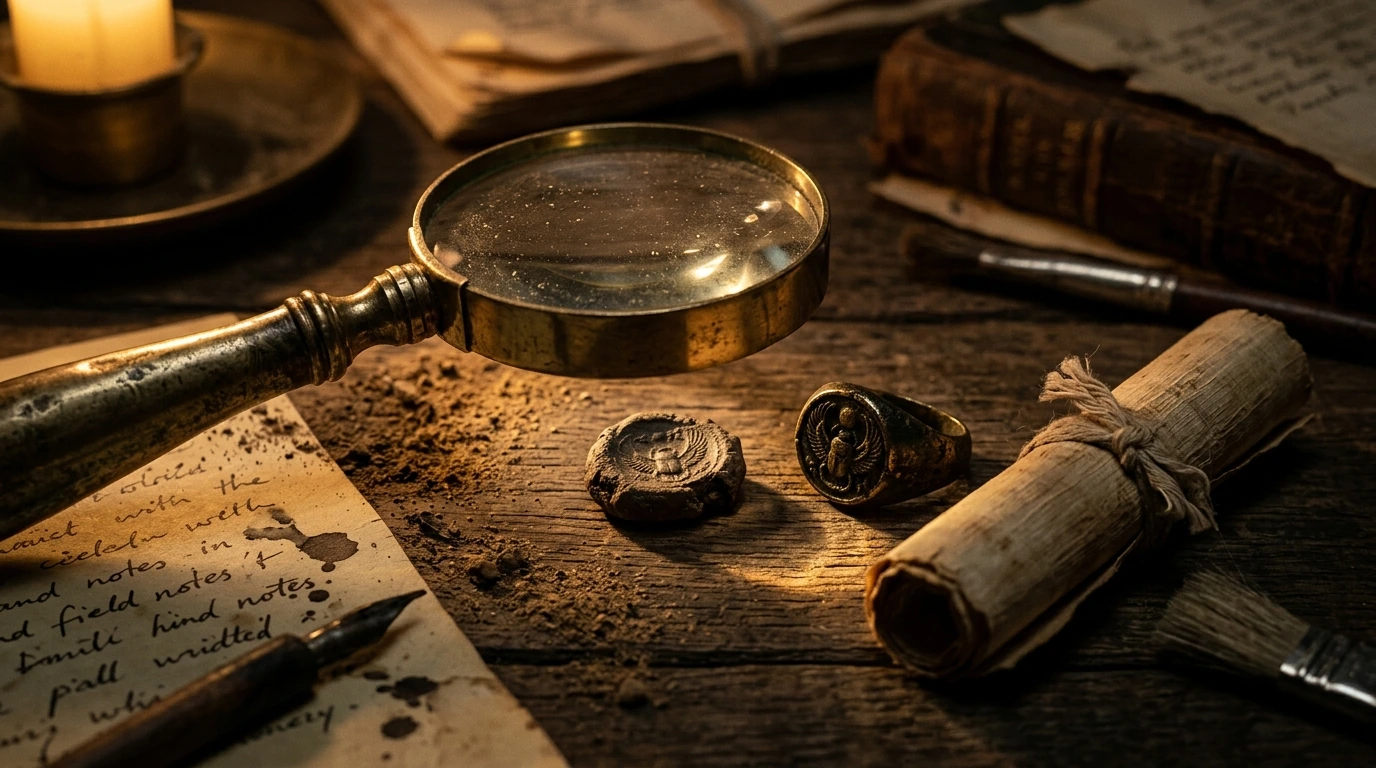
The personal bulla discovered at the Ophel was not a decorative amulet; it was an instrument of state law. When royal edicts, diplomatic letters, or fiscal ledgers were inscribed on sheets of papyrus, the document was rolled, tied with fine flax string, and sealed with a lump of wet clay.
The king or his designated royal seal-bearer (asher al habayit) impressed the official signet ring into the soft clay, hardening it into an inviolable legal seal.
Paleographic Dissection of the Paleo-Hebrew Script
The script on Hezekiah’s seal represents the finest classical Paleo-Hebrew lapidary script of the eighth century BC:
Line 1: לחזקיהו [בן] אחז
Line 2: מלך יהד[ה]
Detailed paleographic analysis demonstrates:
- The Possessive Lamed (ל): The opening preposition Lamed ("Belonging to") exhibits an elongated, slightly curved downward vertical stroke characteristic of eighth-century royal chancery hands.
- The Het (ח) and Zayin (ז): The Het possesses three parallel horizontal crossbars, while the Zayin features two parallel strokes joined by a diagonal stem.
- The Suffix YOD-HE-WAW (יהו): In northern Israelite seals, theophoric names typically ended in -yo (יו, as in Zekharyo). In southern Judean seals, the full tri-consonantal ending -yahu (יהו) was universal, affirming the strict southern Judean scribal origin of the artifact.
- The Abbreviated Royal Title: Due to space constraints on the miniature 9mm clay surface, the word Yehudah (Judah) was abbreviated or the final letter He was placed near the border groove (Y-H-D-[H]).
The Iconographic Shift: From Dung Scarab to Winged Sun
One of the most profound discoveries in Judean epigraphy was made by comparing the Ophel bulla with earlier unprovenanced bullae from Hezekiah’s reign.
During the initial years of his co-regency with King Ahaz (c. 729–715 BC), seals attributed to Hezekiah featured a two-winged scarab beetle rolling a ball of dung—a widespread Levant symbol of royal regeneration and solar vitality borrowed from Egypt.
However, on the Ophel bulla, dating from the mature period of his solo reign, the scarab was replaced by a six-rayed sun disc with sheltering wings turned downwards, flanked by two ankh symbols:
- The downward-curved wings signify divine overshadowing and peace (shalom).
- The replacement of zoomorphic beetle figures with a stylized celestial sun disc reflects Hezekiah’s deliberate theological refinement away from crude pagan animal forms.
Hezekiah’s Religious Reformation (2 Kings 18:4)
The Bible records that Hezekiah executed the most thorough monotheistic reformation prior to King Josiah:
"He removed the high places and broke the sacred pillars and cut down the wooden image and broke in pieces the bronze serpent that Moses had made, for until those days the children of Israel burned incense to it; and it was called Nehushtan." (2 Kings 18:4)
Excavations at Tel Beersheba and Tel Arad dramatically confirm this reform:
- At Beersheba, archaeologist Yohanan Aharoni uncovered a massive horn-carved stone altar that had been dismantled and incorporated into common storehouse walls during Hezekiah’s reign.
- At Arad, the local Judean sanctuary had its sacrificial altar and twin standing stones (masseboth) carefully laid flat and covered with soil, centralizing all national worship at the Temple of Jerusalem.
The Ophel bulla represents the personal seal of the monarch who orchestrated this nation-wide return to covenant purity.
Papyrus Sealing Technology in the Ancient Near East
Because papyrus is organic, it decays rapidly in the damp winter soils of Jerusalem. How, then, did the clay bulla survive 2,700 years?
The answer lies in fire.
- When raw clay is impressed, it remains fragile and susceptible to water dissolution.
- However, when royal archives were burned during enemy sieges—or when municipal administrative refuse was subjected to intense burning—the clay seals were accidentally kiln-baked (terracotta).
- While the papyrus scrolls they sealed were turned to ash, the clay bullae were vitrified into permanent ceramic stone, preserving the fingerprints, fiber weaves, and chiseled inscriptions of antiquity.
Frequently Asked Questions
What language and script is on King Hezekiah’s bulla?
The bulla is inscribed in Biblical Hebrew written in classical 8th-century BC Paleo-Hebrew script.
Why did the clay seal survive if papyrus decomposes?
The clay seal was accidentally baked and hardened by intense heat/fire during ancient destruction or archive disposal, converting the raw mud into durable ceramic terracotta.
Does the seal mention King Ahaz?
Yes. It explicitly designates Hezekiah as the son of Ahaz, King of Judah, perfectly matching the biblical royal genealogy in 2 Kings 16 and 18.
Related Research Dossiers
View all 120 articles →
Solomon’s Archaeology: Six-Chambered City Gates at Hazor, Megiddo, and Gezer, and the Royal Copper Mines

The Caiaphas Ossuary: The Peace Forest Discovery, Aramaic Epigraphy, and the High Priest of the Passion
